Last updated November 23, 2026
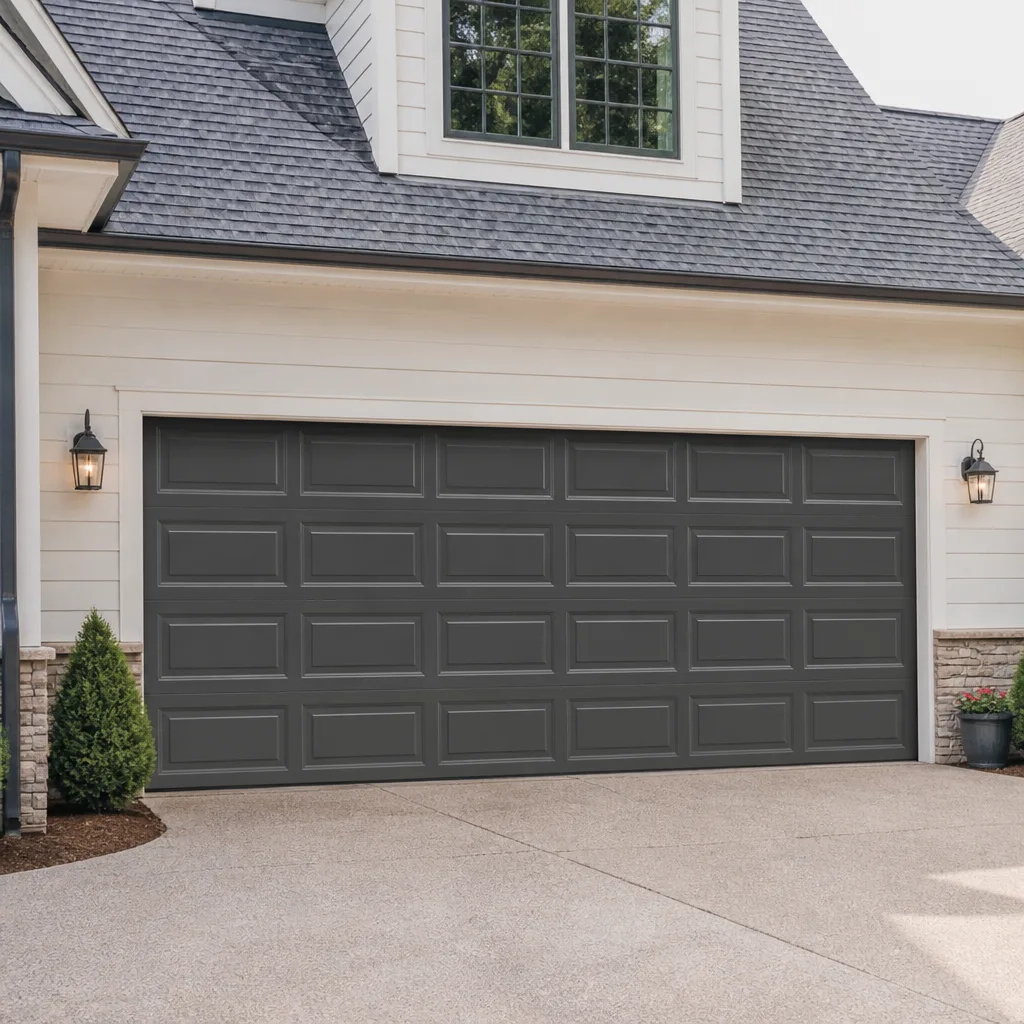 Raised-panel steel
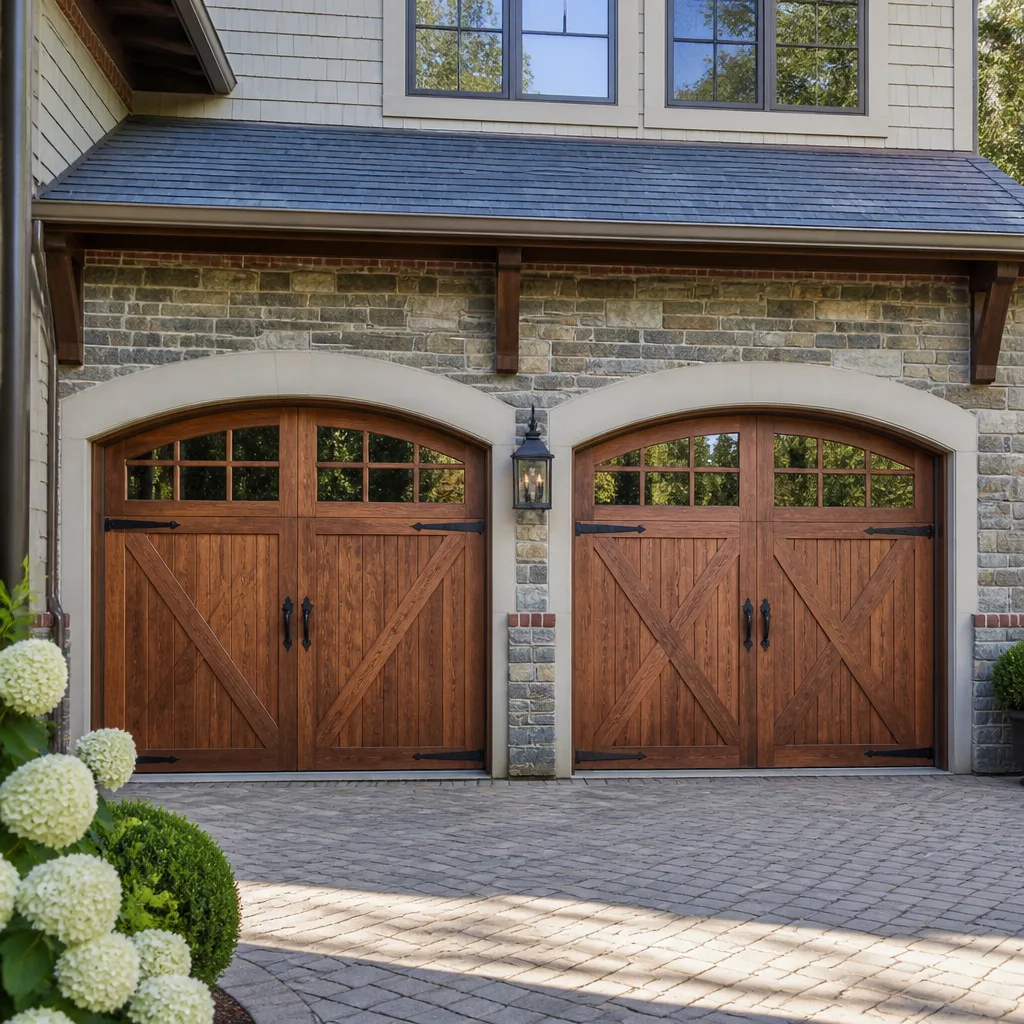 Carriage house
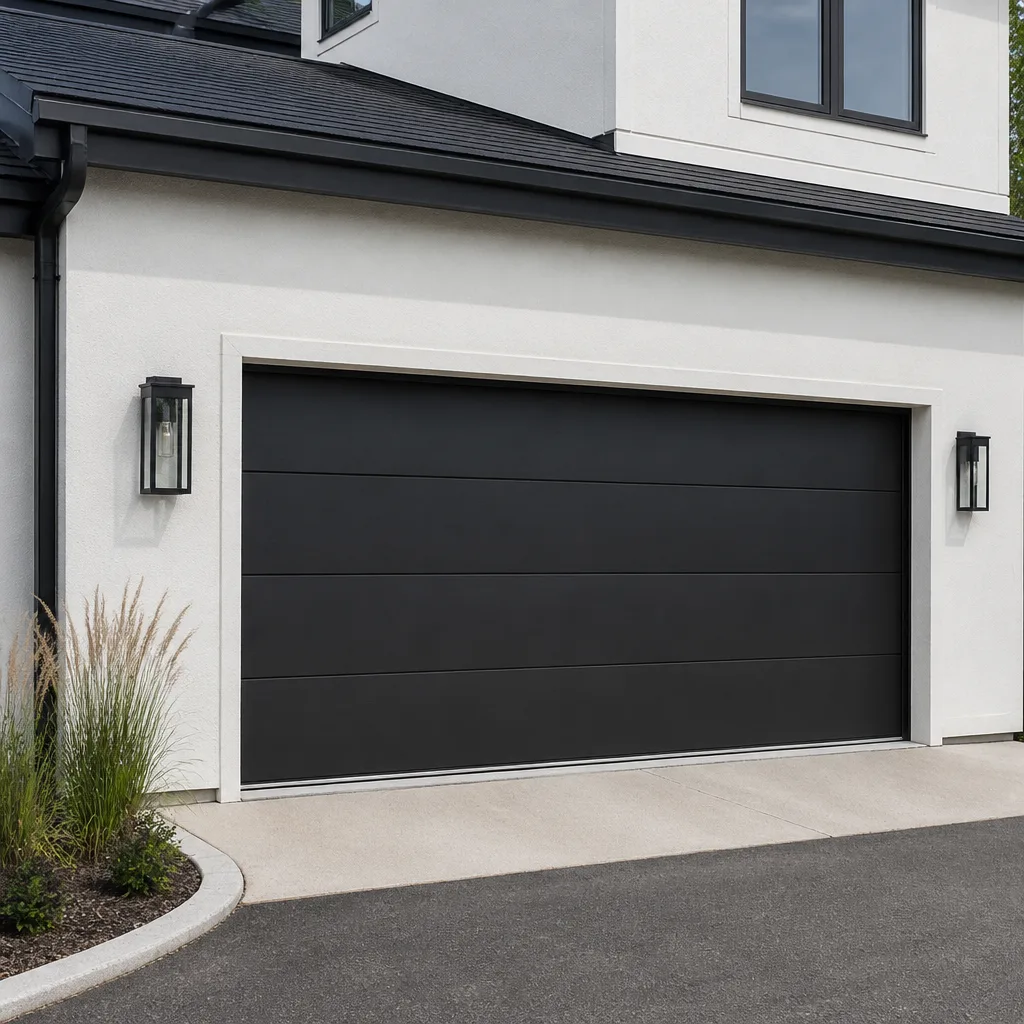 Modern flush
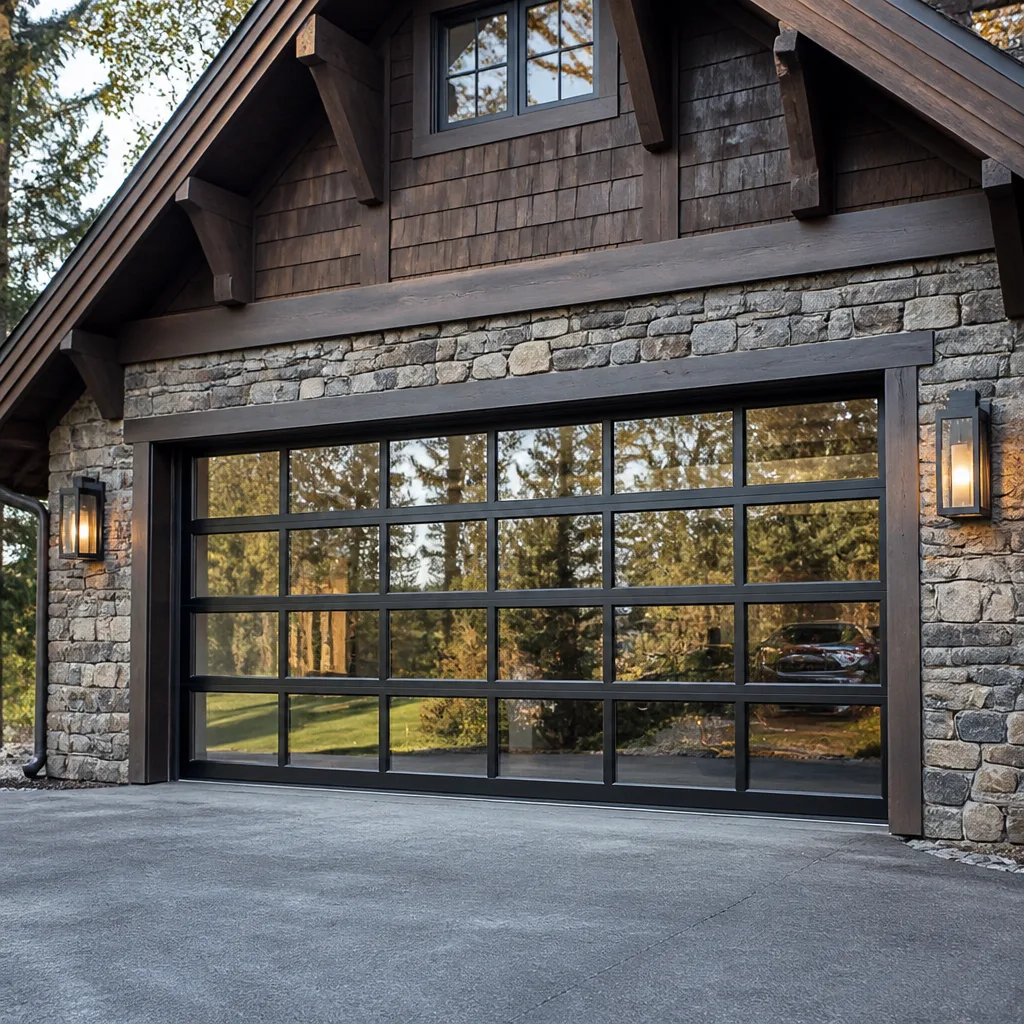 Full-view glass
 LiftMaster openers
 Chamberlain openers
Full 25-point door and opener safety check with every visit - springs, cables, rollers, tracks, and your LiftMaster or Chamberlain opener included
You get a price before we start. It does not change when the pro arrives.
Get your free estimateGarage Door Warning Signs: A Town ‘n’ Country Homeowner’s Reference Guide
A garage door spring doesn’t snap without warning. It usually groans, drags, and fights the opener for weeks before it lets go, and then it sounds like a gunshot inside the garage. Homeowners who’ve heard that sound once often say the door had felt heavier for a while. They just didn’t know that heaviness was the warning. Most failures in a Town ‘n’ Country garage announce themselves early through sound, movement, and rust. This guide explains what each cue actually means, which ones you can handle yourself, and which mean stop using the door and call.
Quick Answer
The clearest garage door warning signs are a door that feels heavy when you lift it by hand, a grinding or popping sound during travel, springs with heavy rust along the coils, and an opener that runs slower, strains, or reverses for no reason. Any of these means the door’s balance or hardware is changing. Stop using the door and get it looked at before something breaks under load.
Styles & brands we work with
- Raised-panel steel
- Carriage house
- Modern flush
- Full-view glass
- LiftMaster openers
- Chamberlain openers
Table of Contents
- What the Sounds Are Telling You: Grinding, Squealing, Popping, Rattling
- The 60-Second Balance Test That Finds a Failing Spring
- Reading Rust: Cosmetic vs. Imminent Failure in Florida Humidity
- Opener Behavior Changes and What They Actually Mean
- Watch the Door Move: Shuddering, Binding, and Sagging
- Which Warning Signs Are DIY-Safe and Which Mean Stop
- Why Doors Act Up in Summer Heat and on Cool Mornings
- When a Sign Means Call a Professional Today
What the Sounds Are Telling You: Grinding, Squealing, Popping, Rattling
Every garage door makes noise. The question is which noises are normal and which are parts telling you they’re worn. A healthy door has a low, steady hum from the opener with a soft roll from the panels. If you can’t hear the door from inside the house, it’s probably fine. If a sound has changed recently, that change is the signal. Grinding, squealing, popping, and rattling each point to a different mechanical cause, and knowing which is which saves you from guessing.
- Grinding usually comes from the tracks or the rollers. Dirt, dried lubricant, or a roller that has lost its bearing makes metal drag on metal. A bent track does the same thing on one section of the door’s travel. Grinding left alone wears the rollers flat and puts strain on the opener.
- Squealing is almost always a lubrication problem, most often at the hinges and rollers. A high-pitched squeal that grows louder over a few days is usually a dry moving part. This is the least serious of the four sounds.
- Popping is the one to take seriously. A sharp pop near the center of the door or above it often means a torsion spring is binding or a cable is slipping off a drum. Popping can also come from a hinge pulling loose from the panel. Either way, something is under load and moving where it shouldn’t.
- Rattling means loose hardware: bolts at the hinges, the brackets that hold the track, or the arm connecting the opener to the door. Rattling is easy to find and easy to fix, but a loose bracket can let a track move out of line.
Here in Town ‘n’ Country, we hear the grinding complaint most in late summer, when dust and grit work into rollers that haven’t been lubricated. It’s a dry, forgiving climate for door hardware, but that same dryness does let dust build up. A door that was quiet in spring and grinds in August has usually picked up grit, not lost a spring. They sound different once you know what to listen for.
The 60-Second Balance Test That Finds a Failing Spring
The balance test tells you whether the springs can still carry the door. It takes about a minute and requires no tools. It is the single most useful check a homeowner can do, because a door that fails it is usually a door with a spring on the way out. You are not opening the spring, adjusting it, or touching it. You’re only lifting the door by hand to see how it behaves.
- Close the door completely and pull the opener’s release cord so the door is disconnected from the motor. The door should now move by hand only.
- Lift the door to about waist height. A door with healthy springs should feel light, because the springs are doing most of the work.
- Let go at waist height. A balanced door stays put or drifts only slightly. If it drops fast, the springs are no longer holding the weight.
- Lift the door to shoulder height and release again. Watch whether it holds, sinks, or shoots upward. Holding roughly in place at both heights means the springs are doing their job.
- A door that feels heavy the whole way up, or that falls steadily when released, has a spring problem or a cable problem. Reconnect nothing. Leave the door down and call.
That heaviness is exactly what people describe after a spring breaks: the door had been “feeling heavier” for weeks. A spring loses tension gradually as it ages, and the door gets progressively harder for the opener to lift. The opener strains, the door slows, and eventually the spring gives out. The balance test catches that decline early. It’s the check we’d suggest every Town ‘n’ Country homeowner run once a season, especially on doors that are more than a few years old.
There’s a hard limit on this test, though. Never lift a door that has a visibly broken spring, and never reach toward the springs, cables, or the shaft above the door to investigate. Those parts are under extreme tension. If the balance test shows a problem, the next step is a call, not a repair.
Reading Rust: Cosmetic vs. Imminent Failure in Florida Humidity
Not all rust is a warning. Florida’s humidity puts a light film of surface rust on steel hardware all the time, and most of it is harmless. The rust that matters is rust in specific places, because it tells you where metal is thinning under load. Learning to tell the two apart keeps you from panicking over cosmetic spots and from ignoring the ones that come before a break.
- Cosmetic rust shows up as an even orange tint on the door panels, track, or hinges. It wipes off or scuffs away and never pits the metal. On a painted steel door in our humidity, it’s normal and mostly a looks issue.
- Spring rust that matters appears along the coils themselves, especially at the ends where the spring is anchored. Brown, pitted rust that flakes off the coil means the steel is thinning where it carries the most tension. A spring with heavy localized rust is a spring to replace before it breaks.
- Cable rust that matters shows up as frayed, rusty strands on the cables running down each side of the door. Frayed cable is a failing cable, full stop. A single broken strand means the cable is compromised and the door should not be used.
Location is everything here. Rust on a hinge you can wiggle is a hard-to-find nuisance. Rust on a spring coil or a cable is a structural warning. The difference comes down to tension: hinges and rollers carry almost none, while springs and cables carry the entire weight of the door. That’s why a rusted hinge is a Saturday project and a rusted spring is an immediate call. In Town ‘n’ Country, where the air stays warm and humid much of the year, springs and cables live in conditions that speed up corrosion. A quick visual scan of the springs and cables every few months is worth the ten seconds it takes, especially on a door that faces the afternoon sun.
Opener Behavior Changes and What They Actually Mean
When an opener starts acting differently, the opener itself is often not the problem. A garage door opener is a motor doing a job, and when the door gets harder to move, the motor shows the strain. The trick is decoding which behavior points to the door and which points to the opener. Here’s how the common complaints map to root causes.
- Moving slower than it used to. This usually means the door has gotten heavier, which points back to the springs. The opener is compensating. Ignoring it wears out the motor and the gears inside the unit.
- Reversing unexpectedly. A door that goes down and then comes back up is usually hitting something the safety sensors detect, or the sensors are misaligned. Sometimes the door is binding in the track and the opener reads that resistance as an obstacle.
- Struggling on cool mornings. Cooler air tightens up metal slightly and stiffens lubricant, so worn parts show their age in the morning. A door that needs a second press to move when it’s cool has a balance or lubrication problem developing.
- Stopping partway. A door that starts up and halts is usually hitting a limit setting that’s drifted, or a roller is jamming in the track. Less often, the opener’s logic board is failing.
- Remote or keypad working only up close. That’s a signal or battery issue at the opener end, not a door problem.
Modern openers from LiftMaster, Chamberlain, Genie, and Craftsman all share this behavior: they protect the motor by giving up when the door resists. So a door that stops partway is the motor telling you something about the door. Our garage door opener repair work starts by checking the door’s balance before we ever touch the opener, because replacing an opener on a door with failing springs just burns out the new unit too.
Watch the Door Move: Shuddering, Binding, and Sagging
Stand back and watch the door travel, top to bottom, opening and closing. Motion is where the earliest warnings show. A smooth door moves at an even pace, panels stay level, and each panel opens flat. Watch for these patterns, because each one means something specific.
- Shuddering or shaking as the door moves usually comes from a binding track, a worn roller, or a loose section. Shaking puts stress on every joint and speeds up wear elsewhere.
- Binding at one spot in the travel means the track is out of line or bent exactly there. The door jars each time it passes that point. Left alone, it bends panels and strains the opener.
- A panel dipping or sagging at one edge suggests a hinge or panel fastener has loosened, or a panel has bent. A sagging panel throws the whole door out of square and can jam in the track.
- The door drifting off-center as it closes means the cables are pulling unevenly. That’s a sign of a cable problem or a worn drum, and it should stop you from using the door.
Watch the gap along the bottom of a closing door too. If it sits crooked against the floor on one side, the door is out of balance or out of square, and the bottom seal won’t keep bugs or hot air out. In our experience, homeowners notice a crooked door long before they notice a heavy one. A door that no longer meets the floor evenly in Town ‘n’ Country is worth a look, since that gap lets in the afternoon heat and lets out the air conditioning.
Which Warning Signs Are DIY-Safe and Which Mean Stop
Some warnings you can handle yourself, and some are dangerous to touch. Garage doors are one of the few parts of a house where a wrong move can seriously hurt you. A torsion spring holds hundreds of pounds of tension, and a cable under load can whip. The line between do-it-yourself and call-a-professional is clear once you know where it sits.
Safe to check and address yourself:
- Lubricating hinges, rollers, and the track with a garage-door lubricant
- Wiping away surface rust on panels and hinges
- Tightening a loose bolt on a hinge or bracket
- Clearing debris and grit out of the tracks
- Checking and realigning the safety sensors at the bottom of the track
- Replacing opener batteries and re-pairing remotes
Stop using the door and call a professional for:
- A spring that looks broken or badly rusted, or a door that fails the balance test
- A frayed, rusty, or loose cable
- A door that comes off one track or hangs crooked
- Popping sounds near the springs or the center bracket
- A door that won’t stay down, or that falls when released
- Any time the door is stuck in an open position and you can’t safely close it
The reason springs and cables sit on the “call a professional” list is simple physics. A torsion spring is wound tight to lift the weight of the door, and it’s secured to a metal shaft above the door. Getting it wrong is a hospital trip, not a hardware store trip. We don’t suggest homeowners try to adjust or replace springs or cables for any reason. Our garage door repair service exists in part because of how often spring work goes wrong at home. It’s a job that looks simpler than it is.
Why Doors Act Up in Summer Heat and on Cool Mornings
Metal moves with temperature. A garage door is a big steel assembly, and the parts expand and contract as the day warms and cools. In Town ‘n’ Country, that means something specific: the door can sound and behave differently at 7 a.m. than it does at 3 p.m. Learning the seasonal patterns helps you tell a real problem from a normal reaction to temperature, so you’re not calling over nothing and not ignoring something that matters.
Cool mornings are when worn parts show their age best. Metal contracts slightly, lubricant stiffens, and a spring that’s lost a little tension has a harder time lifting the door. An opener working against a stiff door on a cool morning strains more and can struggle on the first press. If you have to press the button twice on a cool morning, that’s a sign to check the door’s balance and lubrication, not necessarily a sign the opener is dying. A door that runs fine all day and stumbles only when it’s cool has a developing problem, and it’s worth a look before it gets worse.
Hot afternoons and summer heat do the opposite. Lubricant thins, metal expands, and a door that binds in one spot might scrape more in the heat. Rollers and tracks that are dry or slightly out of line often complain loudest in the hottest part of the day. If you notice a grinding or scraping sound that’s worse in the afternoon and gone by the evening, the cause is usually a dry, gritty roller, not a failing part. The pattern of when the door misbehaves is a clue worth sharing with whoever comes to look at it.
One thing this climate does not throw at doors is winter ice. Freezing is rare here, so jamming from frozen tracks or ice in the seal isn’t a local concern. Our problem is heat and humidity, which speeds corrosion of springs and cables and makes regular visual checks more worthwhile than they’d be somewhere colder. A spring that spends years in warm, humid air ages differently than one in a dry climate. In Town ‘n’ Country, that’s a reason to look at the coils twice a year instead of once.
Common Mistakes to Avoid
- Waiting for the door to stop working before you check it. Most failures give warnings for weeks first, and the balance test or a listen for grinding finds them early. Catching a worn spring before it breaks is a much smaller job than catching a broken one that took the opener with it.
- Greasing the springs and cables. Lubricant belongs on hinges, rollers, and tracks, not on the springs or cables themselves. Greasing those parts attracts dust and grit and doesn’t help them. It’s a common mistake and an easy one to skip.
- Assuming a slow opener needs replacing. A slow or strained opener is usually reacting to a heavy door or binding track, and a new opener on a bad door just fails sooner. Fix the door first, and the opener’s behavior often corrects itself.
- Trying to adjust a spring because the door “feels lighter now.” A door that suddenly feels lighter often means a spring has lost tension or slipped, and adjusting it by hand is how people get hurt. This one is always a call.
- Ignoring a crooked door because it still opens. A door that closes at an angle is pulling unevenly on the cables, and it wears the opener and panels fast. It’s also the kind of problem that shows up as a jam at the worst possible moment.
- Cleaning the tracks with a solvent or heavy oil. That strips the light film a roller needs and attracts grit in our dusty air. A dry cloth and a light garage-door lubricant do the job far better.
- Building a habit around one brand of opener in a household with several. The remotes and parts differ between LiftMaster, Chamberlain, and Wayne Dalton systems, and mixing things up leads to “why won’t this remote work” calls that are actually simple pairing problems.
See the difference
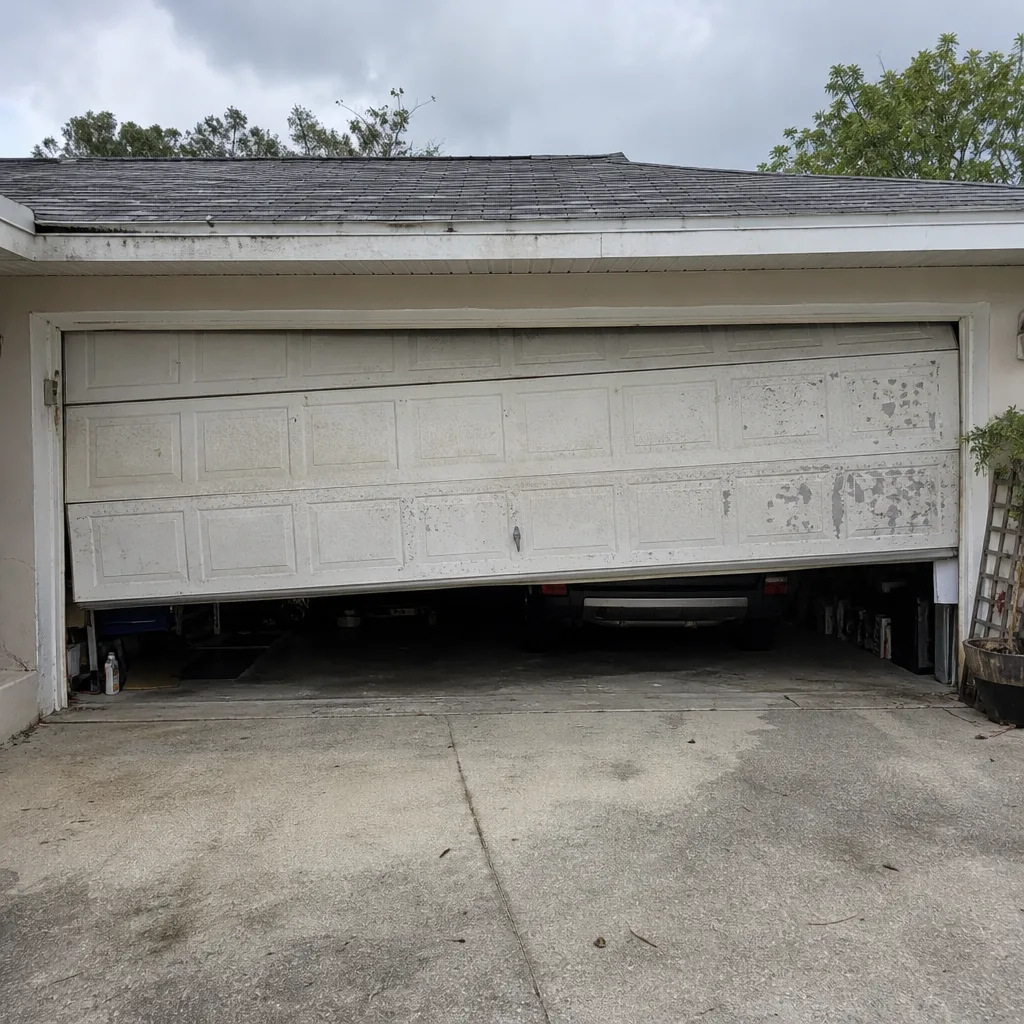 Before
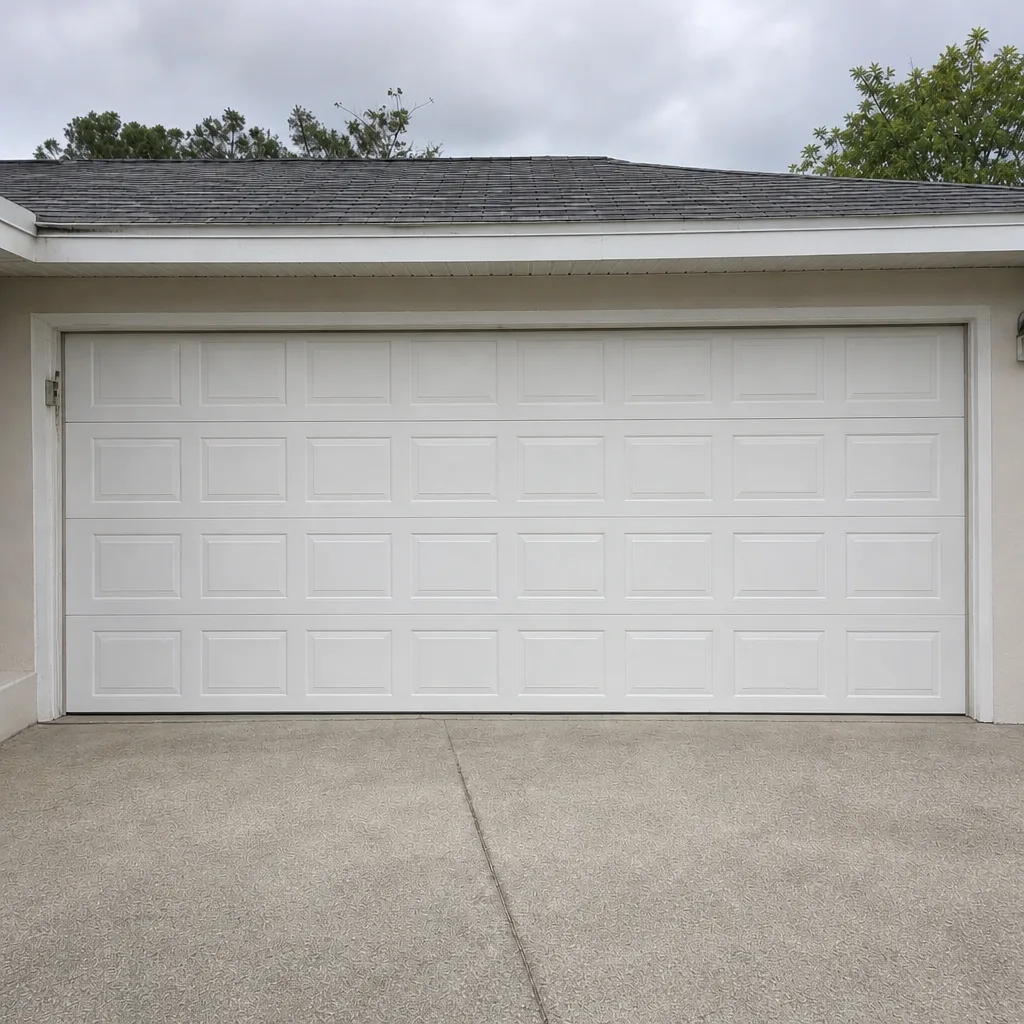 After
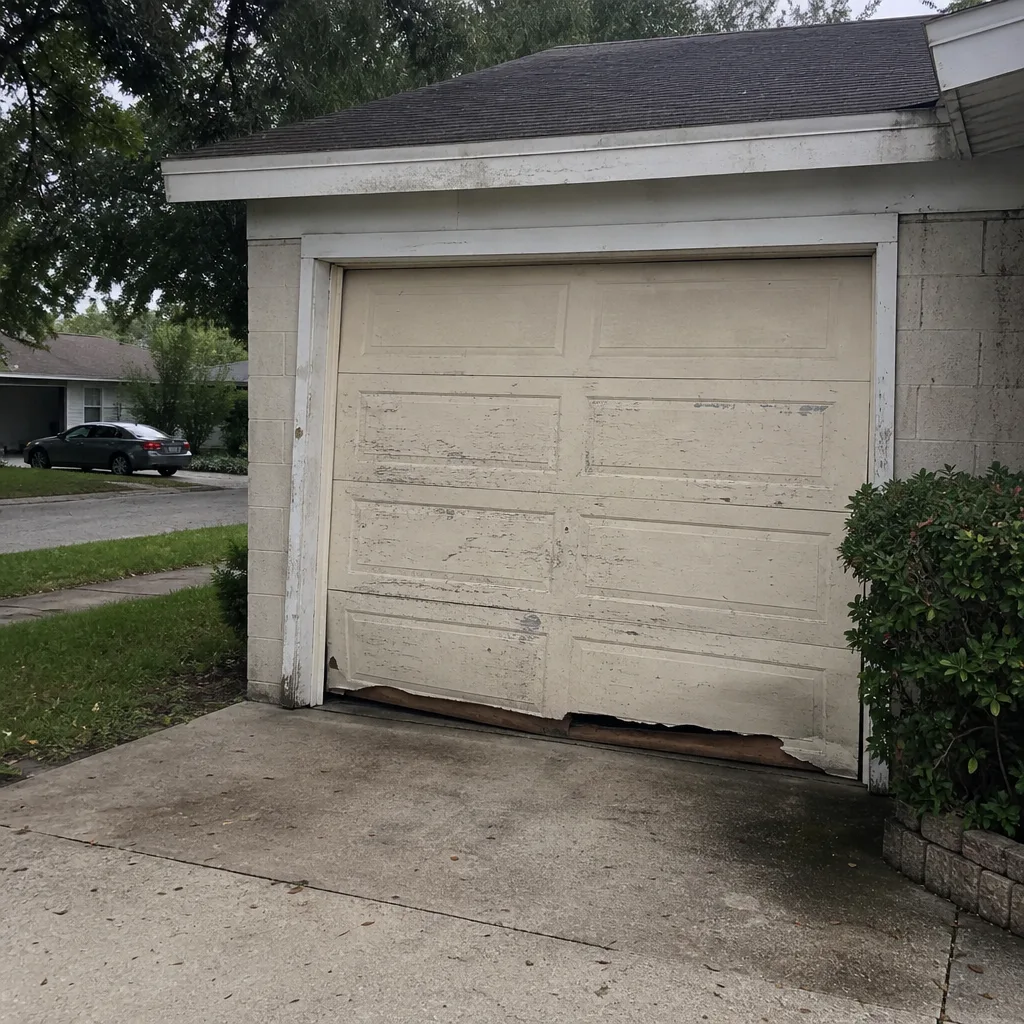 Before
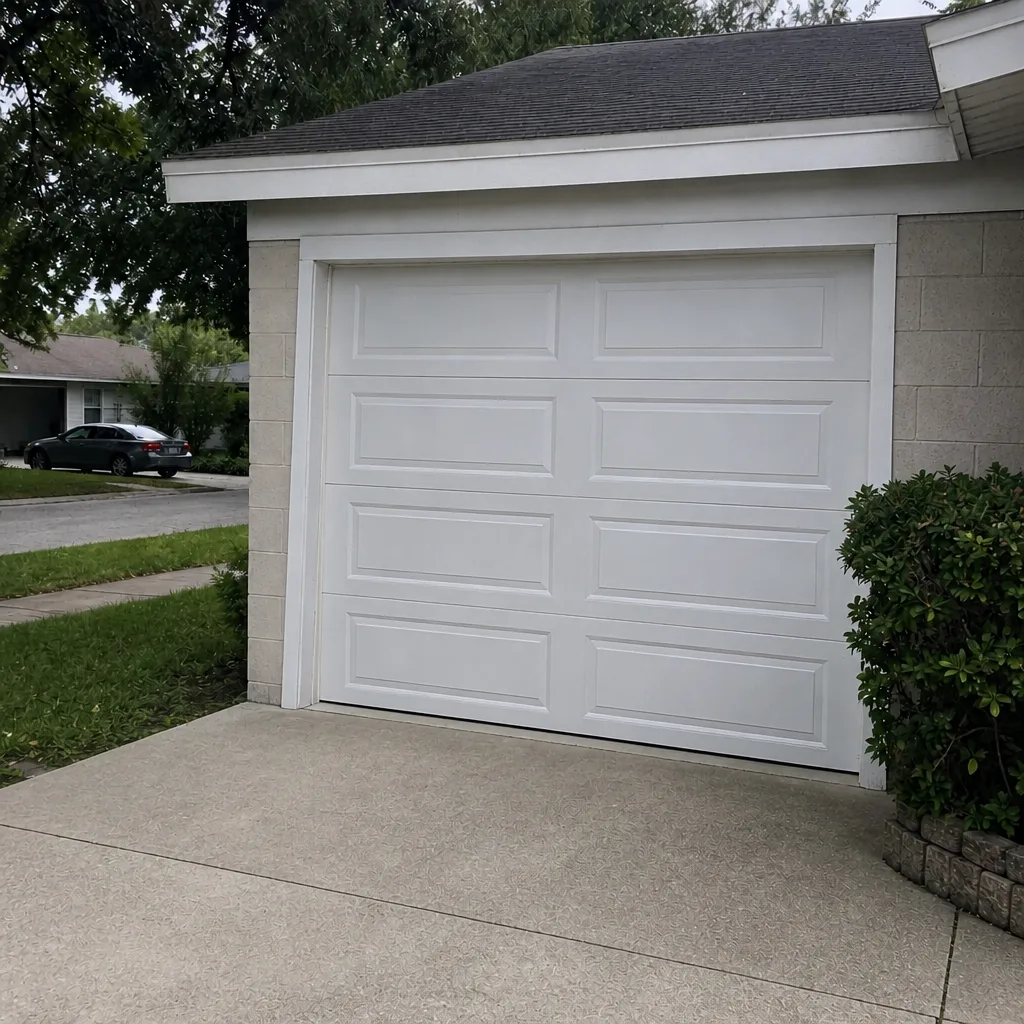 After
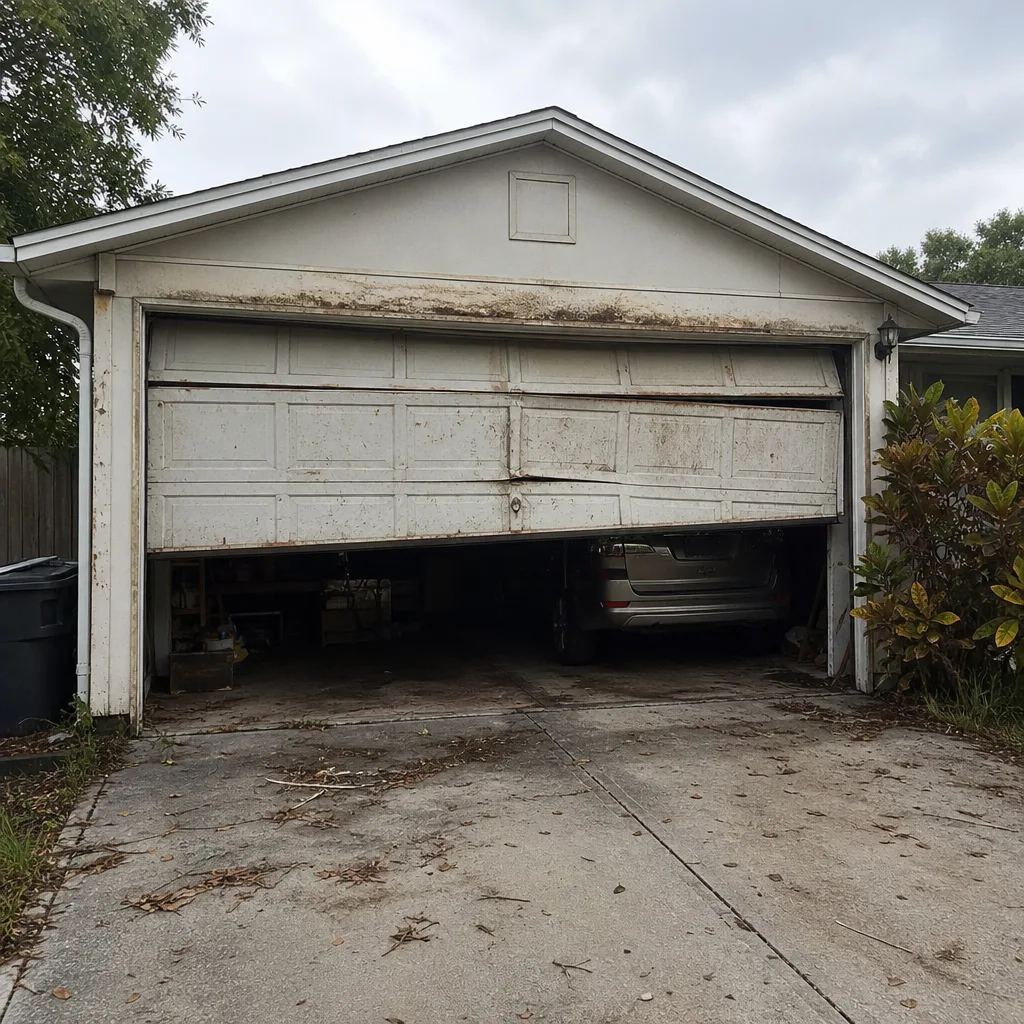 Before
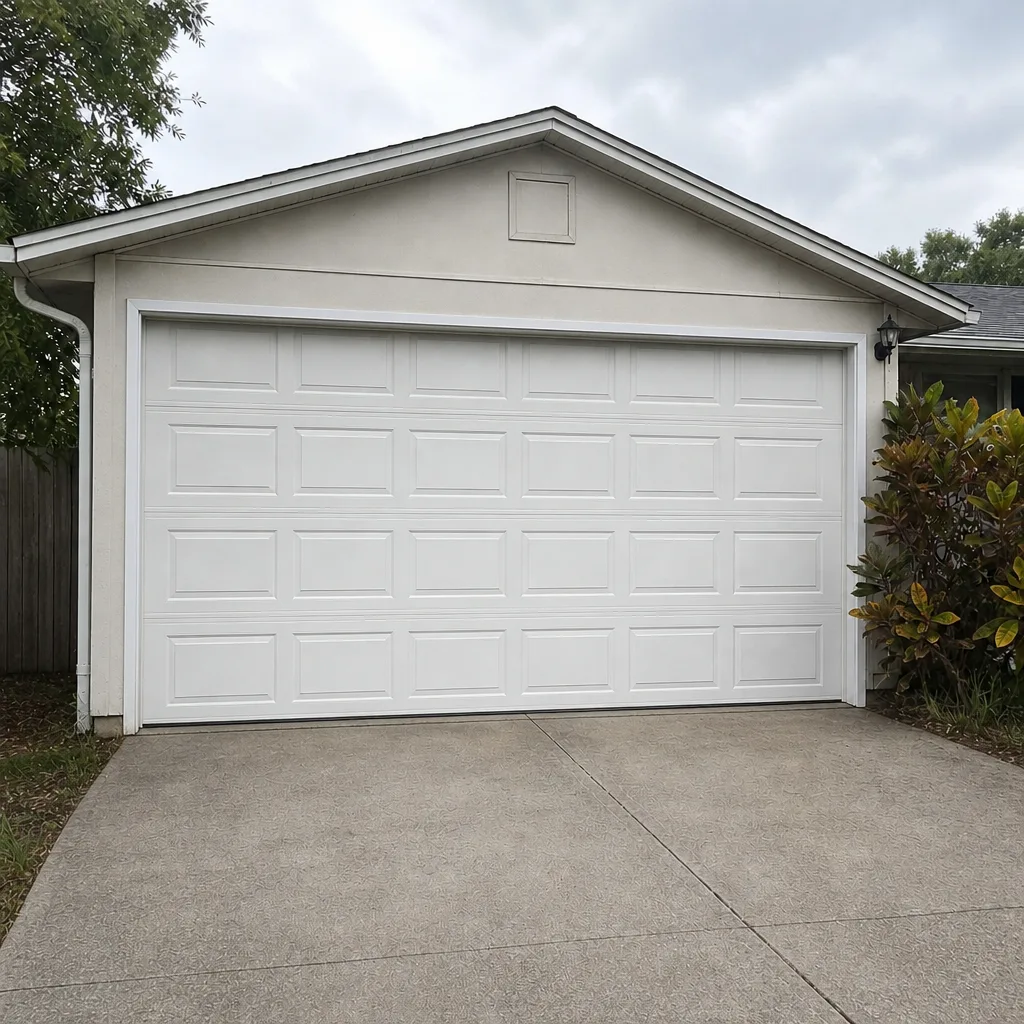 After
When to Call a Professional
Call when the sign points to a part under tension, when the door fails the balance test, when a cable is frayed, when a panel has come off the track, or when the door won’t close and you can’t secure the opening. Call when you hear popping near the springs. Call when the door is stuck open and you need it closed. Those are not jobs to sit on. For routine wear like grinding rollers, noisy hinges, or a stiff opener, a professional can catch the small stuff before it turns into a broken spring or a jammed door. Town ‘n’ Country Garage Door Repair Pros offers free estimates in Town ‘n’ Country, and our technicians have up to 14 years of experience with springs, openers, and everything else on a residential door. We work on the brand you already have, from Amarr and Wayne Dalton to Craftsman and Raynor. Call (833) 987-0462 for a free estimate.
Frequently Asked Questions
The most common are a door that feels heavy when lifted by hand, grinding or popping during travel, rusty springs or cables, and an opener that runs slower or reverses on its own. Any of these means a part is changing under load. Call (833) 987-0462 for an exact quote, and estimates are free.
Spring work is priced per job after we look at the door, and we quote and agree the price with you before any work starts, so the written estimate is the final price. A broken or heavily rusted spring is exactly the kind of job to hand off. Call (833) 987-0462 for a free estimate.
Yes, with the balance test in this guide, which takes about a minute and only involves lifting the door by hand after releasing the opener. Do not test a door with a visibly broken spring, and never reach toward the springs or cables. If the door feels heavy or drops when released, call us at (833) 987-0462.
Loud operation usually traces to dry or dirty rollers, hinges that need lubrication, or a loose bracket, and none of those are dangerous to fix. A sharp popping sound near the springs is different and should stop you from using the door. Call (833) 987-0462 if you’re not sure which sound you’re hearing.
Usually not. A slow opener is typically reacting to a door that’s gotten heavier or a track that’s binding, so the door is the place to check first. Our garage door opener repair service starts with the door’s balance before we touch the unit. Call (833) 987-0462 for a free estimate.
Very likely, yes. Town ‘n’ Country Garage Door Repair Pros is trained and equipped to service eight major brands, including Amarr, Wayne Dalton, Craftsman, and Raynor, so most homes here don’t get turned away over brand. If you’re unsure, call (833) 987-0462 and we’ll tell you straight.
The Bottom Line
Garage doors almost always warn you before they fail. The heaviness, the grinding, the rust on the coils, the opener that pushes a little harder each week: those are parts telling you they’re wearing down. A one-minute balance test and a listen during travel catch most problems early, and knowing which signs are safe to fix and which mean stop keeps you out of harm’s way. When a sign points to springs, cables, or a door that’s come off track, that’s a professional’s job. In Town ‘n’ Country, Town ‘n’ Country Garage Door Repair Pros handles springs, openers, repairs, and full garage door installation for the brands most homes already have. For a quick check, a free estimate, or a door that’s telling you something’s wrong, call (833) 987-0462, or start at Town ‘n’ Country Garage Door Repair Pros for the full service lineup. We quote and agree the price before work starts, so there are no surprises on the invoice.
Written by the team at Town ‘n’ Country Garage Door Repair Pros.