Last updated November 23, 2026
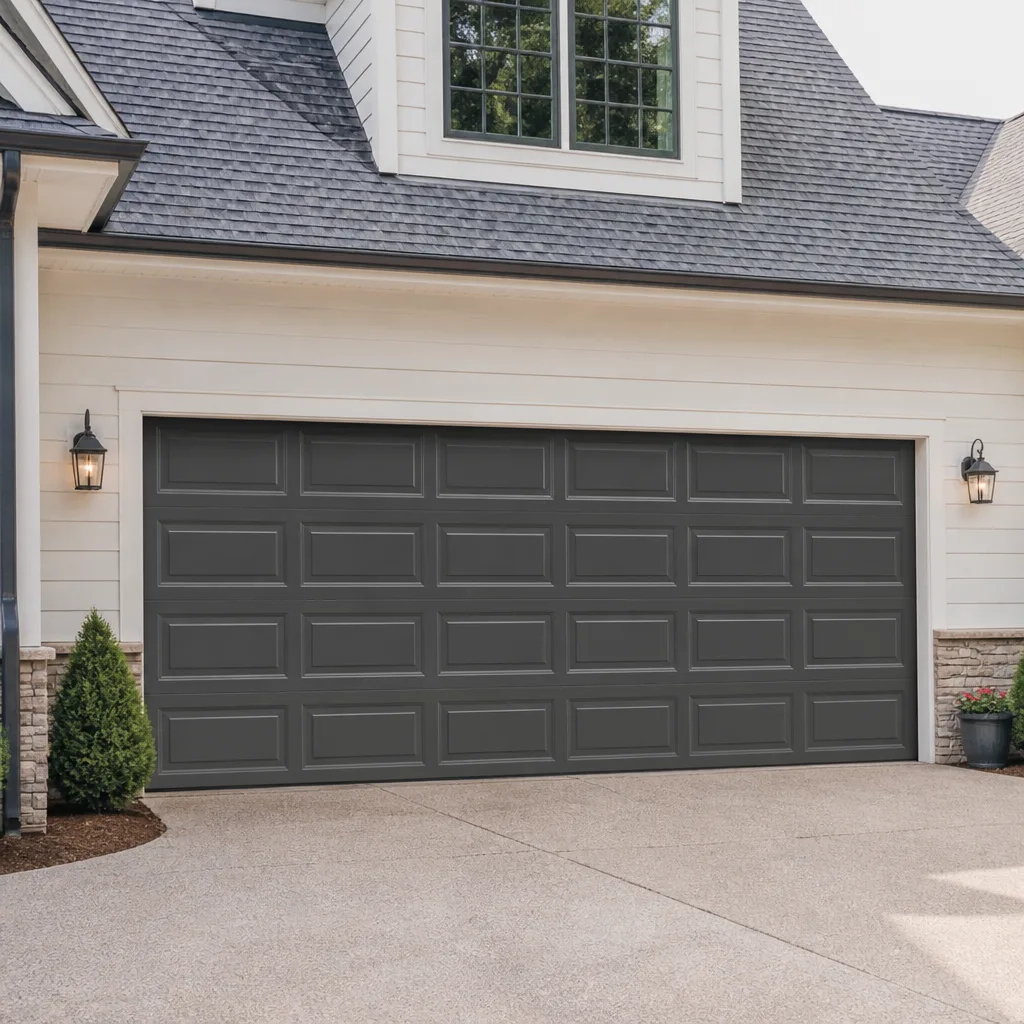 Raised-panel steel
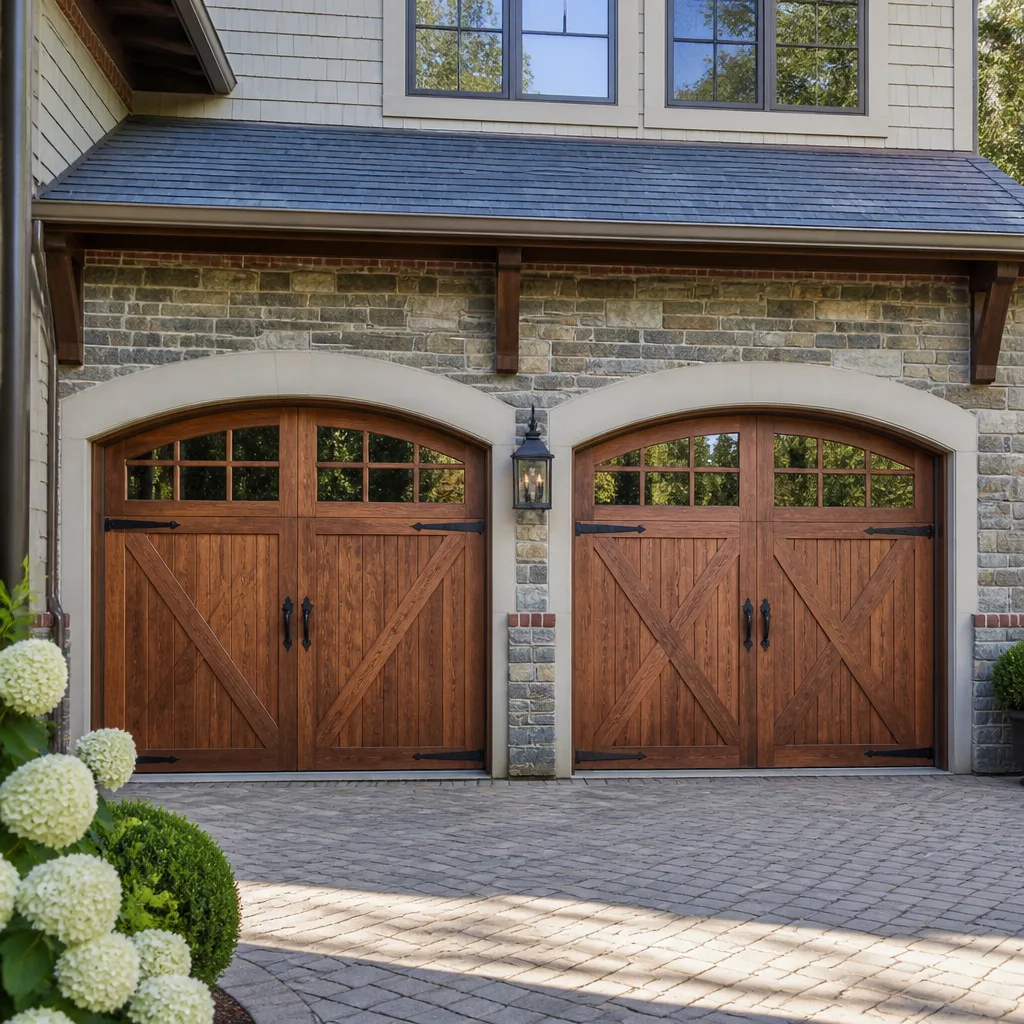 Carriage house
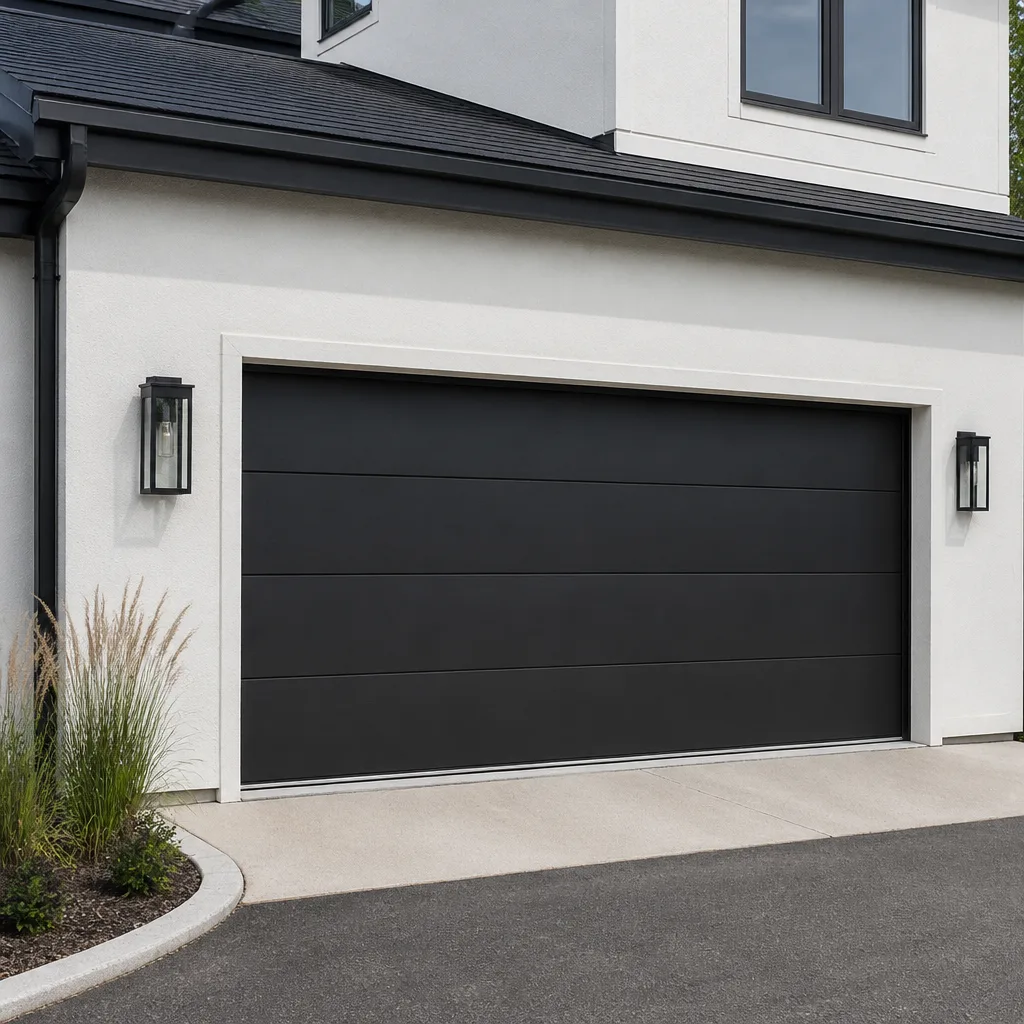 Modern flush
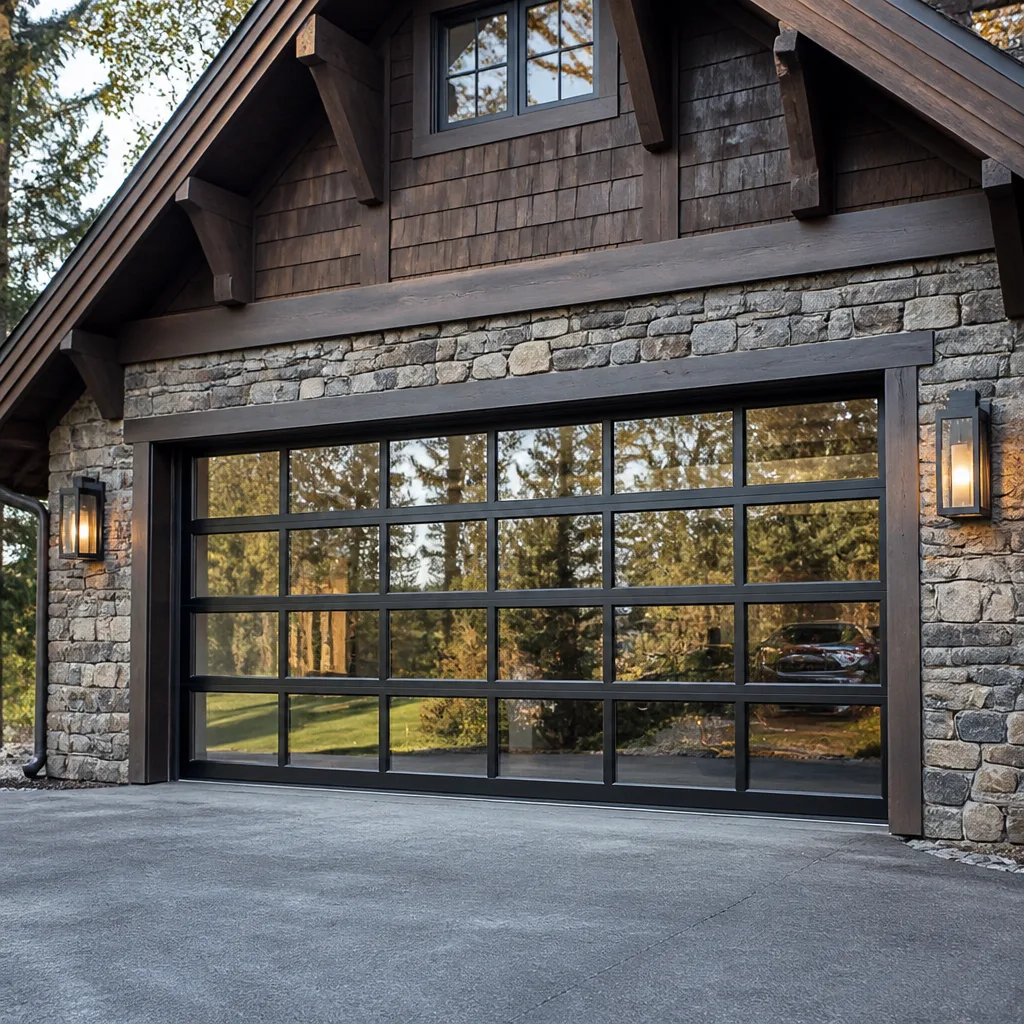 Full-view glass
 LiftMaster openers
 Chamberlain openers
Full 25-point door and opener safety check with every visit - springs, cables, rollers, tracks, and your LiftMaster or Chamberlain opener included
You get a price before we start. It does not change when the pro arrives.
Get your free estimateGarage Door Emergency Preparedness Guide for Town ‘n’ Country Homes
If your garage door fails during a mandatory evacuation order and your car is inside, you have one option: manual release. If you’ve never done it and the power is out, you’re learning in the dark, in a hurry, under pressure. That’s entirely preventable. Here in Town ‘n’ Country, a garage door emergency has two faces. One is mechanical – a spring that snaps, an opener that quits, a door hanging crooked and refusing to close. The other is weather-driven: a door that won’t seal as a storm takes aim at Tampa Bay. This guide covers both. You’ll learn how to release a door manually on every common opener, how to secure a stuck door before a named storm, what to do in the first ten minutes after a spring breaks, and how to document damage for an insurance claim while it’s fresh.
Quick Answer
Garage door emergency preparedness comes down to three things you set up before anything goes wrong: a tested manual release, a written plan for a door that won’t close, and a phone number you can reach when it does. Mechanical failures and storm-related sealing problems are the two most common emergencies in Town ‘n’ Country, and both are far easier to handle when you’ve practiced the steps once. If your door won’t move right now, call (833) 987-0462 and we’ll walk you through what to do until help gets there.
Styles & brands we work with
- Raised-panel steel
- Carriage house
- Modern flush
- Full-view glass
- LiftMaster openers
- Chamberlain openers
Table of Contents
- How to Use the Manual Release on Any Garage Door Opener
- What to Do When the Release Cord Is Stuck or Missing
- The First Ten Minutes After a Spring Snaps
- How to Secure a Door That Won’t Close Before a Storm
- Pre-Storm Garage Door Prep Under an Hour
- How to Document Door Damage for an Insurance Claim
- What Never to Attempt Yourself
- After the Storm: What to Check Before You Press the Button
How to Use the Manual Release on Any Garage Door Opener
Every residential garage door opener sold in the United States has a manual release, and it works the same way in principle regardless of brand. A release cord hangs from the trolley that connects the opener to the door. Pull it, and the door disconnects from the motor so you can lift it by hand. That’s the theory. The practice is where people get stuck.
Here’s the sequence for every common opener, whether you have a LiftMaster, a Genie, a Chamberlain, or a Craftsman unit:
- Make sure the door is fully closed before you touch the cord. Releasing a door that’s partway up means it drops. If the door is already open and won’t close, this step doesn’t apply – see the storm section below.
- Locate the release cord. It hangs from the rail or the trolley, usually with a red or T-shaped handle. On most units it’s near the motor housing, but on high-lift and jackshaft openers it can be on the side or the floor level.
- Pull the cord straight down, not toward you. A firm, steady pull is enough. You may hear a click; the trolley has separated from the door arm.
- Lift the door slowly by hand. Use the bottom section, and get your fingers away from the gaps between panels before you lift. A door that’s been under spring tension can move fast.
- Prop the door open if you need to leave it up. Once the door is disconnected from the opener, nothing holds it. Use a wood clamp or a locking bar in the track, never your body.
- When you’re done, re-engage the trolley. Pull the cord once more (or press the release lever on some units) and move the door by hand until the trolley clicks back into the door arm, then test with the remote.
Practice this once now, on a calm afternoon, while it’s easy. The reason matters: in Town ‘n’ Country, the day you need manual release most is the day you have the least time to figure it out. If you’d rather have a trained eye check that your release is working properly, our garage door opener repair page covers what we look at on a service call.
What to Do When the Release Cord Is Stuck or Missing
A release cord that won’t pull, or one that’s snapped off or gone missing, is a very real scenario – especially on openers 15 years old or more where the cord has rotted or a previous owner disconnected it. Here’s how to work through it without forcing anything.
If the cord pulls but nothing happens, the trolley arm may be jammed against the door arm – usually because the door was under tension when the opener stopped. Try to raise the door slightly by hand (one inch at most) while pulling the cord. If that doesn’t work, stop. A jammed trolley under tension is where DIY goes wrong fast.
If the cord is missing entirely, you can sometimes reach the release lever directly at the trolley – a small metal tab you push or pull by hand, on the same side the cord would have been. On most belt and chain drive openers, the trolley is visible above the door. On jackshaft and side-mount units (often used in Town ‘n’ Country homes with very low ceiling clearance), the release is a lever on the side of the opener housing and needs to be pulled toward the door.
For any scenario where the release won’t engage and the door is stuck, call (833) 987-0462. Emergency garage door service is a core part of what we do, not a side offer, and we work on the brand you already have – including Clopay, Wayne Dalton, and Amarr doors paired with every major opener. Our technicians have up to 14 years of experience, and they’ve seen stuck trolleys on every make.
The First Ten Minutes After a Spring Snaps
The sound is unmistakable – a loud crack, like a gunshot, followed by a heavy thud. When a torsion or extension spring snaps, the door loses its counterbalance and the entire cable and drum system is suddenly under uncontrolled load. The first ten minutes matter most for your safety, not the door’s.
Here’s the protocol:
- Stop, step back, and keep everyone out of the garage. A door with a broken spring can drop without warning. Do not walk under a door that’s hanging partway open.
- Do not pull the manual release cord. This is the most common and most dangerous mistake. The opener’s arm is the only thing holding the door up. Disconnect it and the door comes down.
- Block the doorway from the outside if you can. Tape the inside of the garage entry door, put a chair in the driveway, and make sure kids and pets know not to go in.
- Photograph everything. Before you touch anything, take wide shots and close-ups (more on this in the insurance section below).
- Do not attempt to lift, force, or ‘help’ the door open. A door with one broken torsion spring has upwards of a hundred pounds of dead weight with no counterbalance. It can crush fingers and break wrists.
- Call us at (833) 987-0462. Describe the door type, how many springs it has, and whether the door is open, closed, or stuck partway. We can walk you through immediate safety steps over the phone and book a repair.
Spring repair in Town ‘n’ Country is one of our dedicated services, and it’s the one you want done right. Springs, cables, and drums are the mechanical heart of the door, and they’re also the most common reason people call us on a Sunday morning.
How to Secure a Door That Won’t Close Before a Storm
This is the Town ‘n’ Country emergency nobody else writes about. During hurricane season – June through November on Florida’s Gulf Coast – a garage door that won’t close all the way isn’t just annoying. It’s a structural weak point, and in a wind event, garage door failure can lead to roof and wall damage because the door is the largest opening on the house.
If a door won’t close and a named storm is in the forecast, here’s what to do, in order:
- Diagnose quickly. Obstruction in the track? Clear it. Photo-eye blocked? Wipe the lenses. Opener dead? Try the manual release (only if the door isn’t spring-broken). Note what actually failed.
- Close the door manually and reinforce the bottom. Lift the door by hand, bring it down, then wedge it shut with steel bars or 2x4s braced low against the door and the floor. The goal is to stop wind from getting under the bottom edge.
- Clear the tracks of anything that could jam. Loose debris inside the track will wedge the door open the moment wind pressure hits it.
- If the door is a single-wide, weak-panel style, brace it from the inside with vertical 2x4s against the panels. Measure the exact position for each brace so it sits on a structural part of the wall, not drywall.
- Do not tape the panels shut or wrap the door in plastic. Both create wind-loaded sail area and make the door fail sooner. Do not stack furniture or boxes against the inside of the door either – if the door fails, that’s what hits someone.
- Move the car out of the garage if the door is compromised. The garage becomes a wind tunnel if the door fails.
If you can’t get the door sealed before a storm, call (833) 987-0462. We can’t beat a hurricane to your house if it’s already making landfall, but we can often get to a door in the day or two before, when an emergency service call prevents a much bigger problem. Pre-storm fixes are one of the most common reasons Town ‘n’ Country homeowners reach out.
Pre-Storm Garage Door Prep Under an Hour
Most garage door emergencies during storm season are preventable, and the prep takes less than an hour once a year. Run through this list in May or early June, then again if a storm is named.
- Test the manual release and note its position. Know exactly where it is and confirm it moves. Two minutes.
- Check the auto-reverse. Place a 2×4 flat on the floor under the door, close it. The door should reverse on contact. If not, the opener needs attention – that’s a safety fix, not an optional one.
- Inspect the springs and cables visually. Look for a visible gap in a torsion spring (the classic sign it’s broken or compromised) or frayed cables. If you see either, schedule a repair before the storm, not after.
- Clean and lubricate the tracks and rollers. A silicone-based garage door lubricant on springs, hinges, and rollers – not WD-40, which attracts grit – keeps everything moving smoothly and reduces summer heat strain.
- Tighten the track bolts and the door hinge screws. Ten minutes with a socket set. Loose bolts are a leading cause of doors that “get noisy” going into summer.
- Clear the area around the door inside and out. Anything loose that can become a projectile in high wind needs to go.
- Check the weather seal along the bottom. A worn seal lets water in even when the door closes fine. Replace it if it’s cracked or flat.
If any of that is beyond what you want to tackle, call (833) 987-0462 and we’ll run a full pre-storm check. Our garage door repair service covers adjustments, roller and hinge replacement, and track alignment – the small fixes that prevent big emergencies later.
How to Document Door Damage for an Insurance Claim
Adjusters don’t accept “the garage door was damaged during the storm.” They accept photos that show the door, the damage, the context, and the date. The good news: your phone can do all of this. The trick is to shoot before anything gets cleaned up or repaired.
Here’s exactly what an adjuster needs, in order:
- One wide shot of the entire garage, pulled back far enough that the door, driveway, and a bit of the yard are all visible. This establishes context and location.
- One medium shot of the full door and the openers or track above it. Shows whether the issue is the door itself, the opener, or the tracks.
- Close-ups of every damage point. Bent panels, torn weather seal, snapped spring, hanging cable, dented track. Shoot from more than one angle.
- A photo of the inside face of the door, opened, showing the springs, cables, and hinges. Most adjusters want to see the mechanical components, not just the outer panels.
- A photo of the high-water line or debris line, if there was flooding. A tape measure against the waterline in the photo is worth ten times the number in the description.
- A note of the date, time, and what happened – written down while you remember it. No need to polish it. Bullet points are fine.
- A copy of the original door’s brand and model number if you have it. On most doors it’s on a sticker inside the top or second panel. That’s what makes a like-for-like replacement claim go through smoothly.
We work with homeowners’ insurers when a claim is in play – we can’t bill them directly, but we can document damage the way adjusters want it, and provide a written estimate for repair versus replacement so you know what you’re filing for.
What Never to Attempt Yourself
There’s a real line between “helpful homeowner” and “avoidable ER visit.” Garage doors carry more stored energy than most people realize. Here’s the never-do list:
- Never wind, unwind, or cut a torsion spring. The springs are under tension that can cause severe injury in a fraction of a second. There is no safe DIY version.
- Never pull the manual release on a door with a broken spring. The door has nothing left to hold it up.
- Never cut a cable under tension. Cables on a loaded door snap with enough force to break bones.
- Never stand under a partially open door. If the spring or cable is compromised, the door can drop with no warning.
- Never drill into or modify the tracks or the bracketing to “make it close.” You’re modifying the structure that keeps the door from falling.
- Never prop a door open with your body or with a non-rated object. Use a locking clamp or a proper track lock.
- Never replace a torsion spring without the right winding bars, and never assume a “same size” spring from the internet will work. Springs are matched to door weight, height, and cycle life. The wrong spring can fail fast or strain the opener.
Our garage door repair service includes spring and cable work specifically because it’s the task most worth handing to someone with training. When we quote the price, that’s the price – the written estimate sets the final bill, and it’s agreed before any work starts.
After the Storm: What to Check Before You Press the Button
If the storm passes and your door looks intact, don’t just hit the remote. Two minutes of checking saves a whole lot of damage.
- Walk the outside of the door and look for bent panels, popped hinges, or debris in the tracks. Any obstruction in the track can jam the opener and strip a gear.
- Open the door by hand once (with the opener disengaged) to confirm it moves freely. If it feels heavy, stops partway, or makes a grinding sound, don’t reconnect. Call us.
- Check that the bottom weather seal is intact and touching the ground evenly. If there’s a gap on one side, the door needs to be rebalanced.
- Run the auto-reverse test again. Storm pressure and debris can knock it out of adjustment.
- Look at the opener housing for water intrusion. If the opener got wet, don’t power it up – call for a service check first.
- If anything seems off, call (833) 987-0462 before you use the door again. A small jam now becomes a much bigger repair if you keep running the opener on it.
Common Mistakes to Avoid
- Forcing a stuck door with the opener. If a door won’t move, the opener will burn out trying. Stop, disengage, and diagnose.
- Ignoring a slow, noisy door for months. Most emergency calls we get start as a “small noise” the owner tuned out for a season. Address it early.
- Leaving the release cord untagged or hidden behind stored boxes. In Town ‘n’ Country, that’s often the difference between a quick manual release and a stuck car during an evacuation order.
- Taping or wrapping panels before a storm. It’s the wrong instinct – it makes panels fail sooner under wind load.
- Replacing one spring when the pair was installed together. Springs wear as a pair. Replace both, or the surviving one will fail within months.
- Assuming an unsealed door is a small leak. In a Florida storm, a gap under a garage door lets in wind, not just water, and it can pressure the whole house.
- Skipping the photo documentation because “the insurance company will figure it out.” They won’t. Shoot the shots.
See the difference
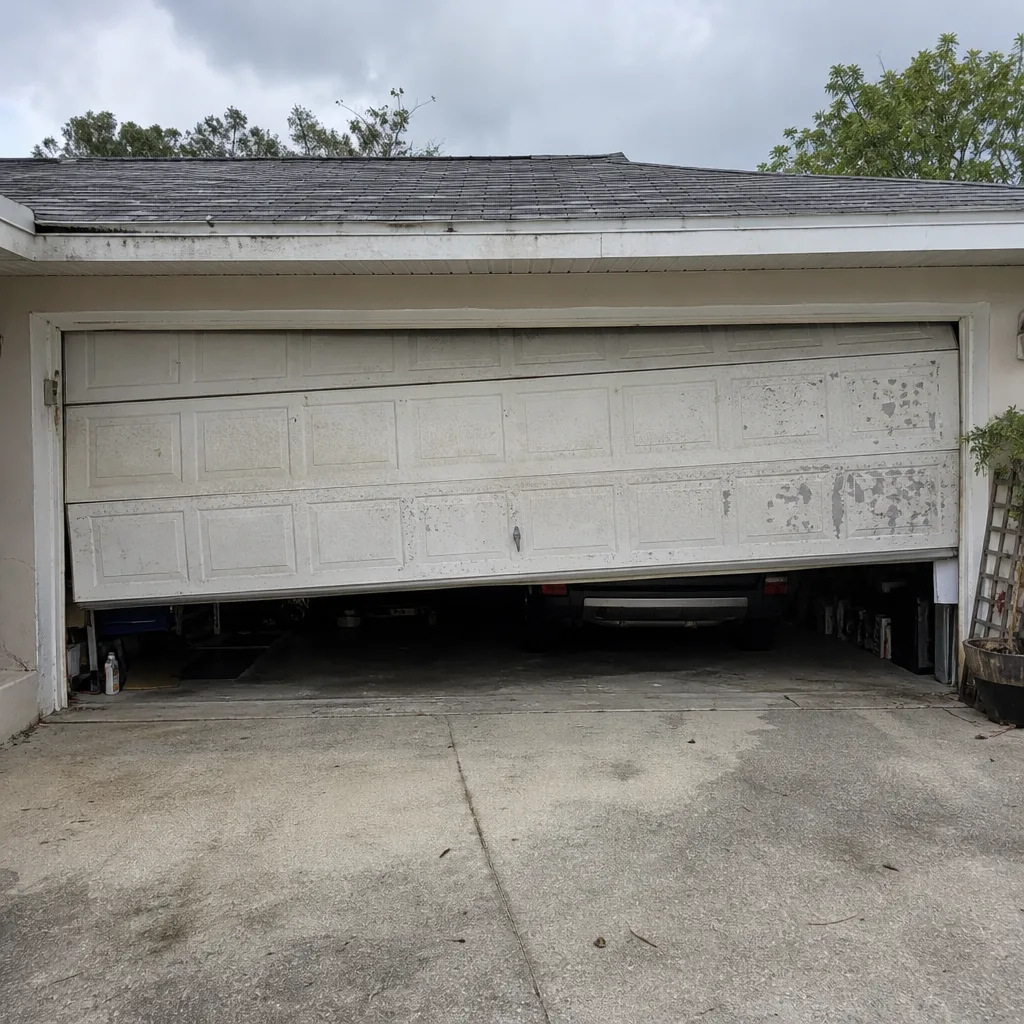 Before
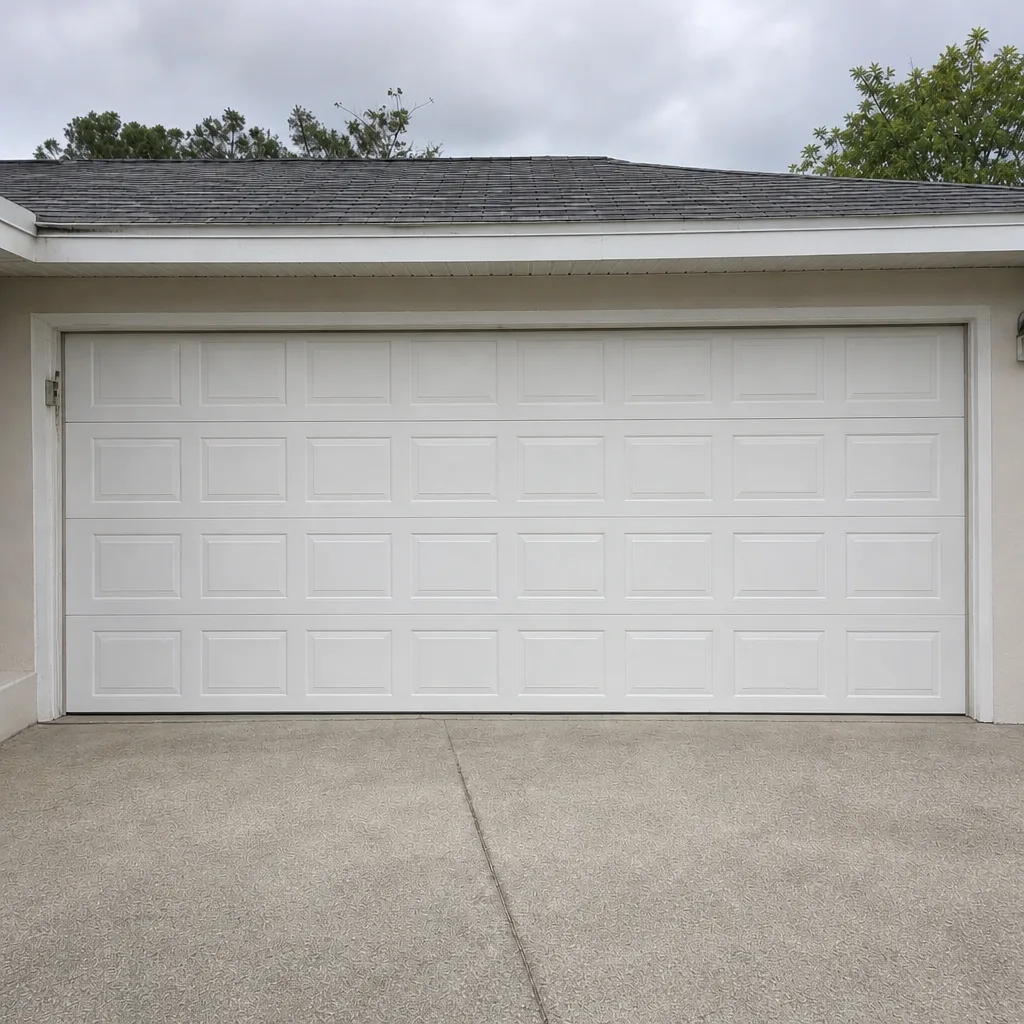 After
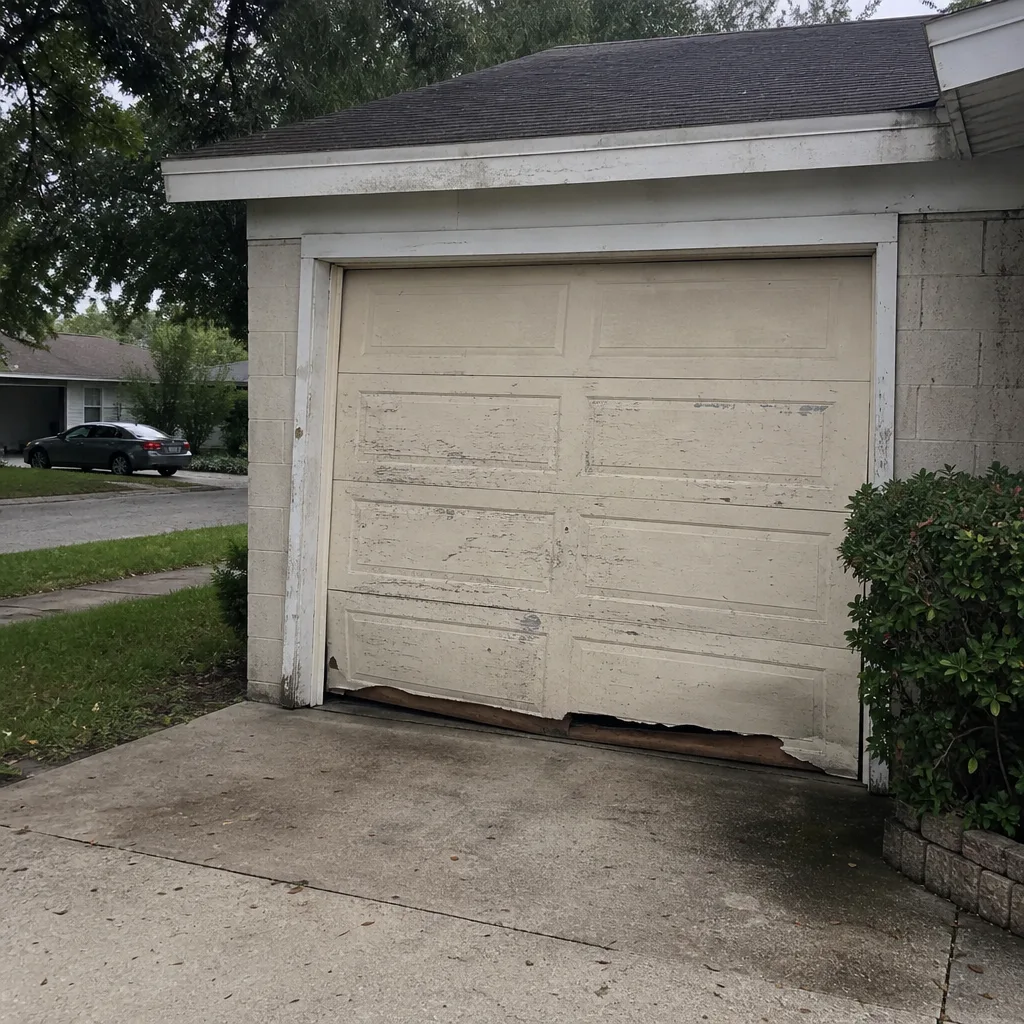 Before
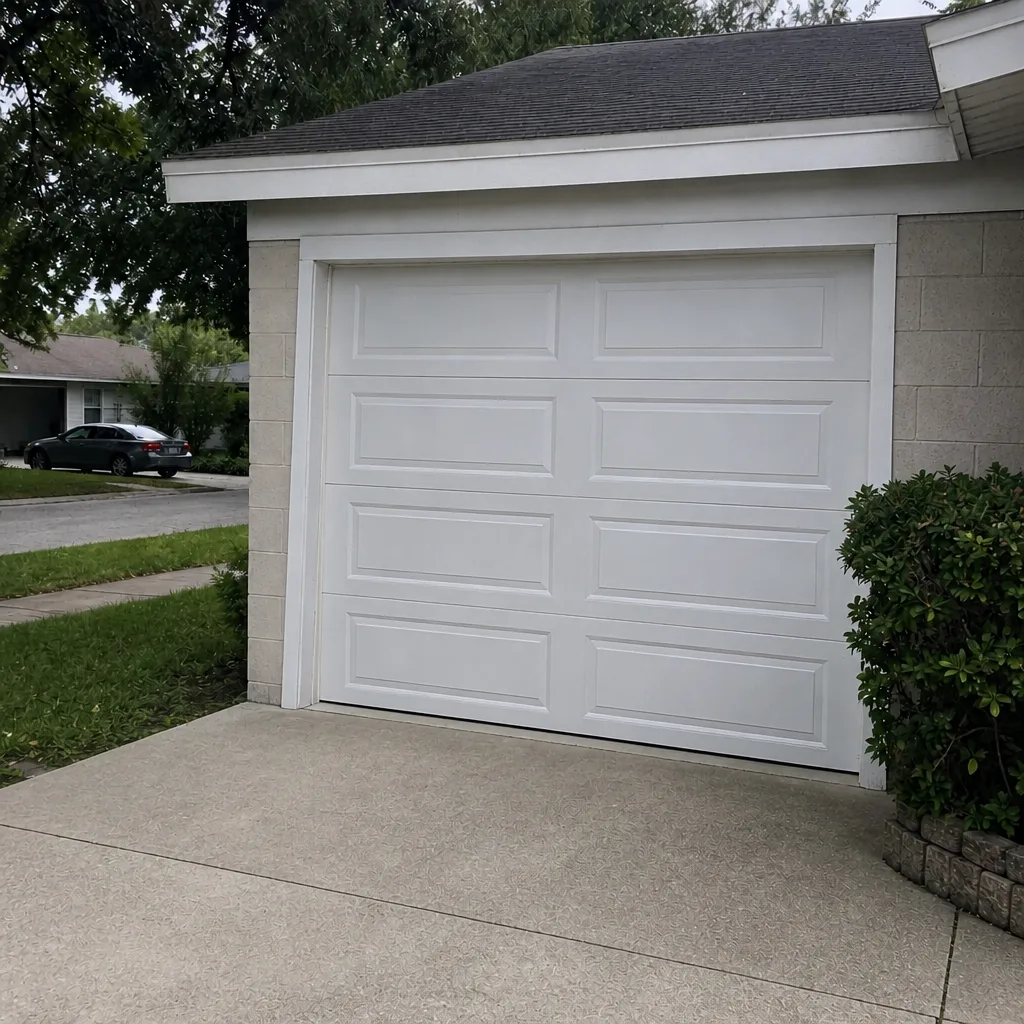 After
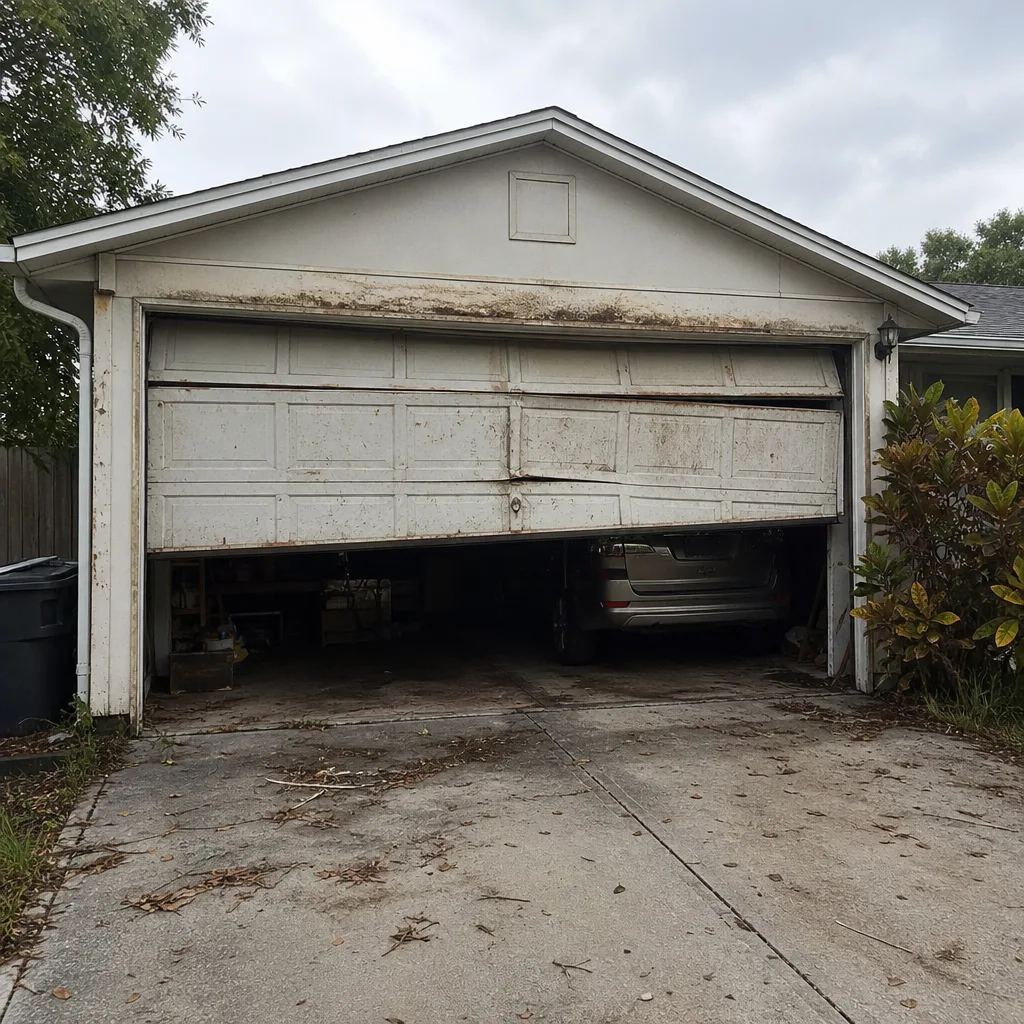 Before
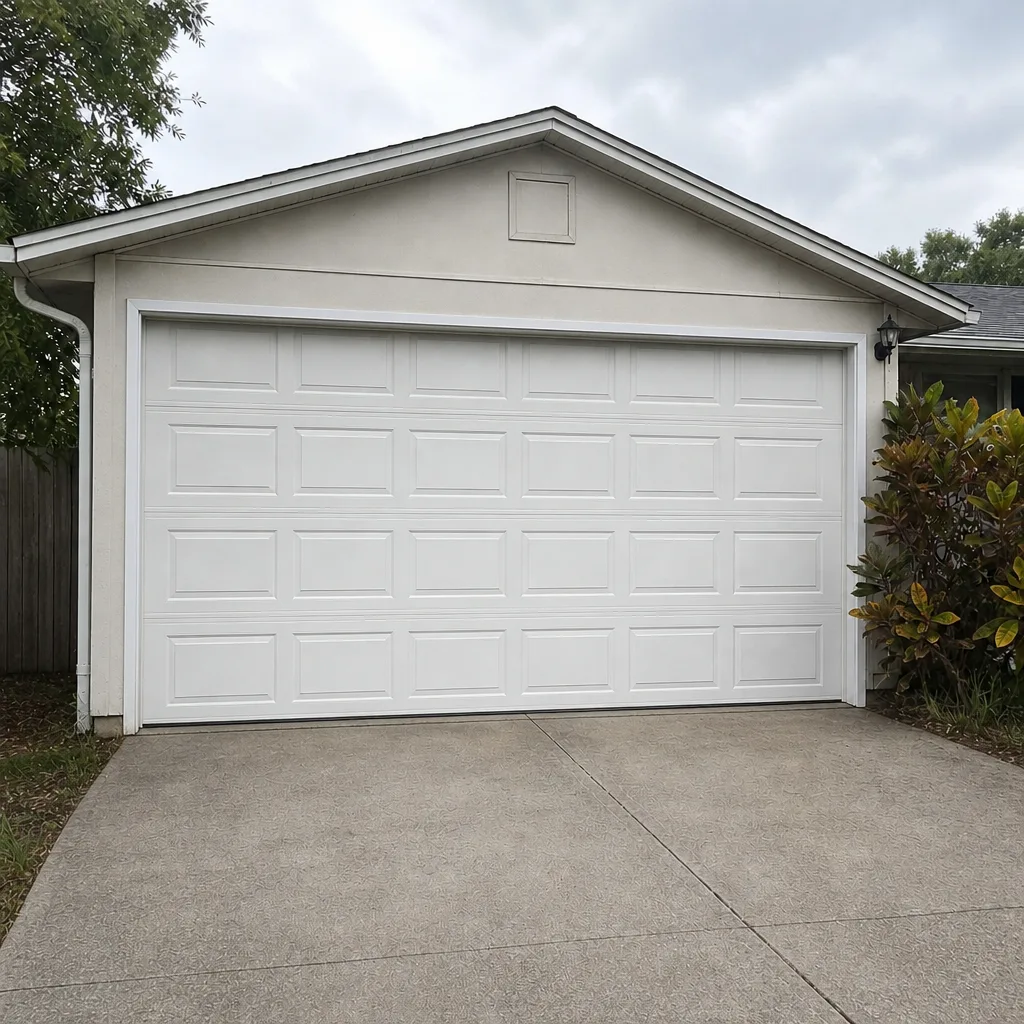 After
When to Call a Professional
Call a professional when the door is spring-broken, cable-frayed, stuck under tension, or sealed shut with a storm on the way. Call if the opener runs but the door doesn’t, if you hear a snap or a bang, if the door is crooked in the tracks, or if the release cord won’t pull. Call if the door closes unevenly, if the auto-reverse fails, or if you’re about to leave town and want it checked before you go. Call before a named storm if your door won’t seal, and call after one if anything looks or feels off. Springs, cables, torsion assemblies, and opener gear work should only be handled by someone trained for it. Town ‘n’ Country Garage Door Repair Pros offers free estimates in Town ‘n’ Country – call (833) 987-0462. When the door won’t move, we move fast.
Frequently Asked Questions
Spring repair in Town ‘n’ Country is typically quoted by spring, and that written estimate sets the final price – it’s agreed before any work starts. A matched pair usually gets replaced together, so expect that price to reflect two springs. For an exact quote, call (833) 987-0462 – estimates are free.
Emergency garage door service is a core part of what we do, and same-day help is often available – call (833) 987-0462 and we’ll tell you what we can do for your address. For storm prep and new installations, we schedule ahead rather than rush, because that work is measured and ordered.
No – the price we quote is the price you pay, and the written estimate is agreed before we touch the door. What you’ll get on the call is a firm number based on what we find. Call (833) 987-0462 for a free estimate.
The local pro we connect you with is licensed and insured as the state of Florida requires. Our technicians have up to 14 years of experience, and we’re trained on LiftMaster, Chamberlain, Genie, Clopay, Amarr, Wayne Dalton, Craftsman, and Raynor – so you won’t hear “we don’t work on that.” Call (833) 987-0462 to book.
We’re trained and equipped on eight of the most common door and opener brands, including Clopay, Amarr, Wayne Dalton, and Craftsman, so most Town ‘n’ Country homes are covered without a runaround. If your brand isn’t on the list, call anyway – we’ll tell you straight on the phone.
Yes – pre-storm repairs are one of the most common calls we get in Town ‘n’ Country, and getting a door to seal properly before a named storm is worth doing. Call (833) 987-0462 as early as the forecast allows, because demand spikes the day before a landfall.
The Bottom Line
A garage door emergency is manageable when you’ve planned for it and dangerous when you haven’t. Test your manual release now, know where the cord is, and keep everyone out of the garage the moment a spring snaps. If a storm is named and your door won’t seal, brace it correctly – never tape the panels – and call ahead. Photograph everything before you clean up, because adjusters need those shots. Springs, cables, and torsion work always belong with a trained professional. Our technicians have up to 14 years of experience on the brand you already have, and we handle springs, openers, panels, and full installs under one company. For a garage door installation before storm season, or a repair after one, we’ve got you – and you can always start at Town ‘n’ Country Garage Door Repair Pros to see everything we cover.
If something’s wrong with your door right now, call (833) 987-0462 for a free estimate. We work on the brand you already have, we quote the price before work starts, and we show up.
Written by the team at Town ‘n’ Country Garage Door Repair Pros.