Last updated November 23, 2026
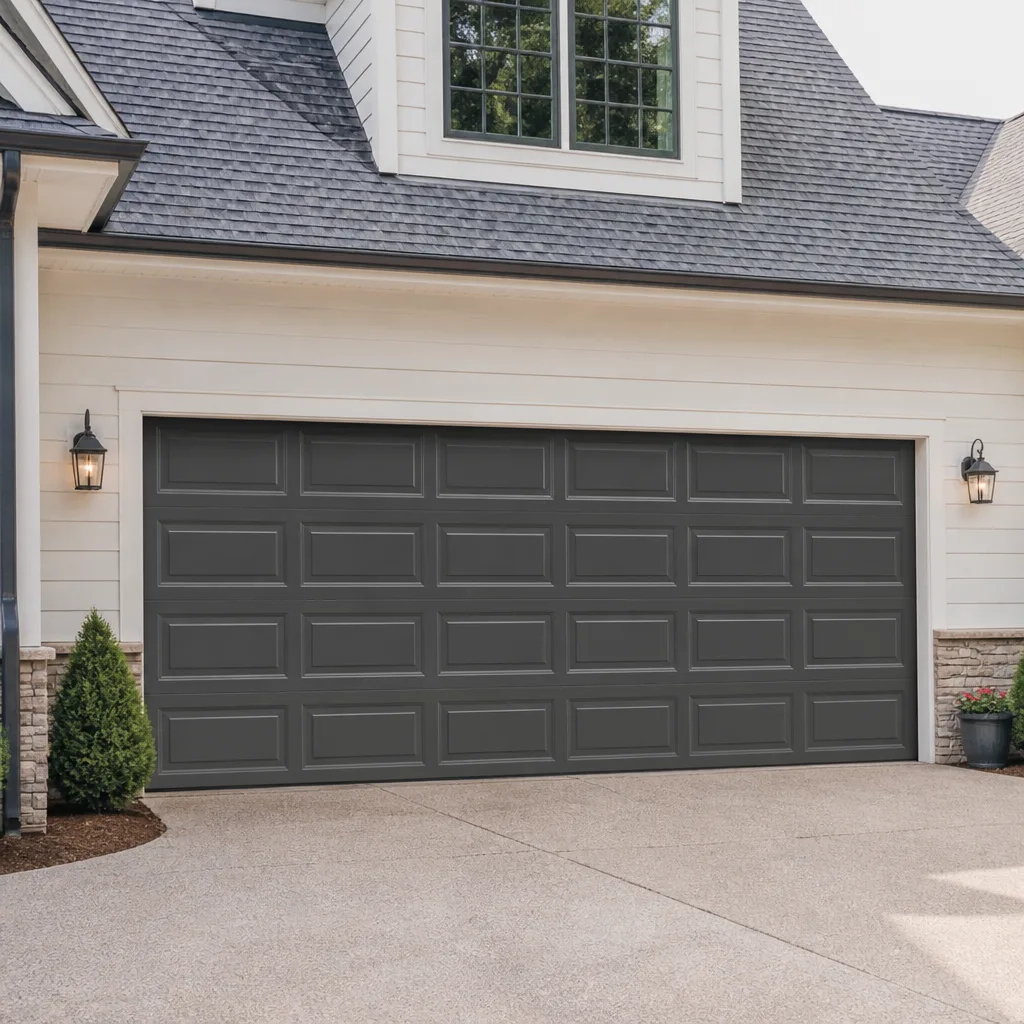 Raised-panel steel
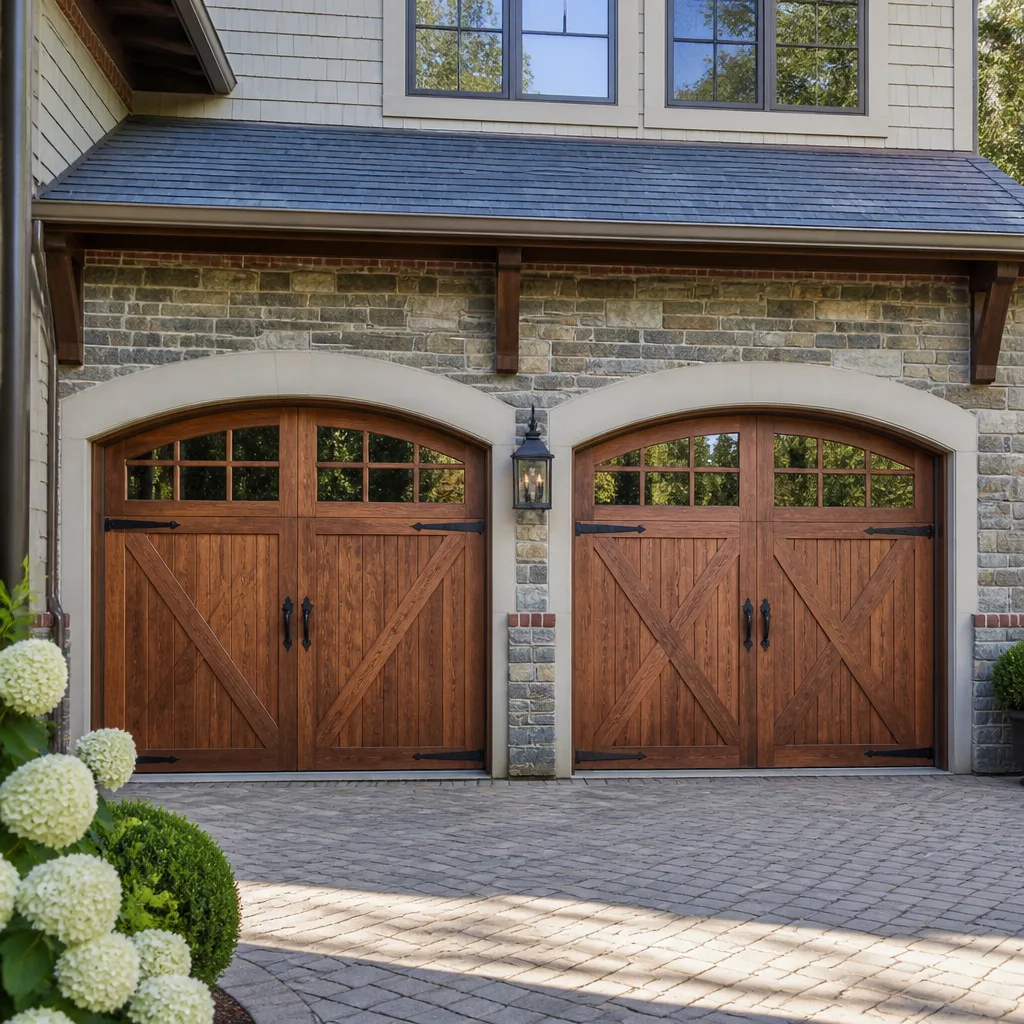 Carriage house
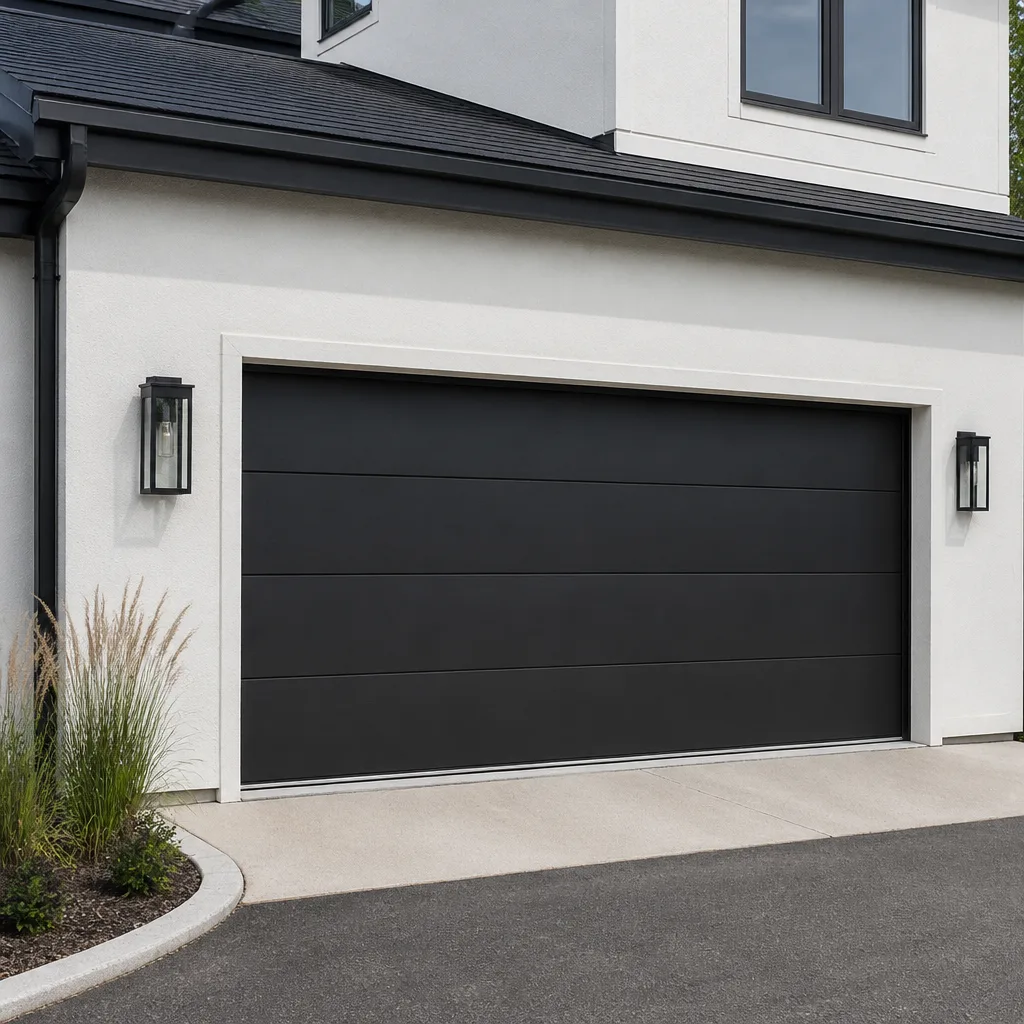 Modern flush
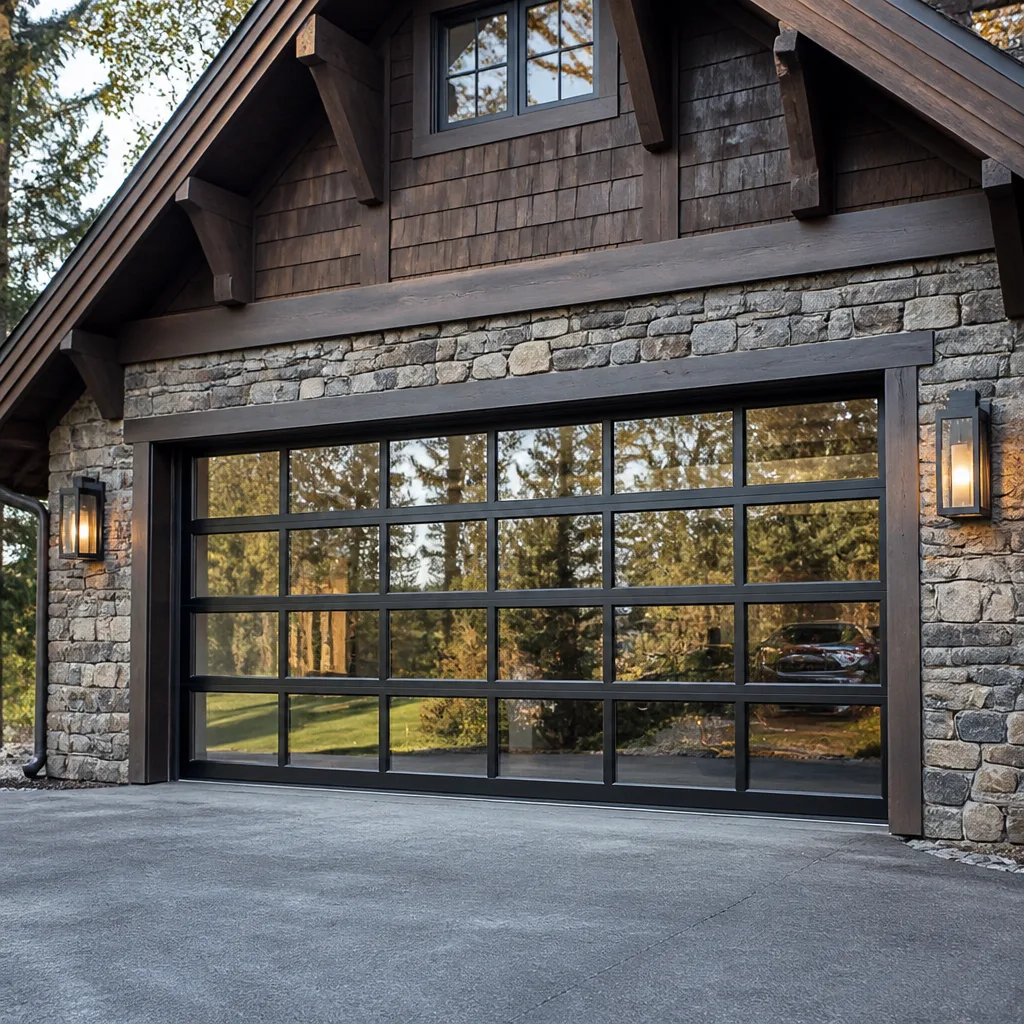 Full-view glass
 LiftMaster openers
 Chamberlain openers
Full 25-point door and opener safety check with every visit - springs, cables, rollers, tracks, and your LiftMaster or Chamberlain opener included
You get a price before we start. It does not change when the pro arrives.
Get your free estimateGarage Door Permits, Codes & Inspections in Town ‘n’ Country, FL: What You Need to Know
Most homeowners here assume replacing a garage door is a no-permit job. It’s a cosmetic swap, right? That assumption is wrong often enough to matter. In Florida, a garage door replacement that doesn’t meet the current wind-load code isn’t just a paperwork problem. It can undermine a homeowner’s insurance claim during the very storm the door was supposed to withstand. We’ve watched sellers scramble when a home inspector flags an unpermitted installation, and it’s never a cheap fix. This guide walks through when Hillsborough County requires a permit for garage door work, what the wind-load rules actually mean for Town ‘n’ Country homes, and how to check whether a previous owner’s installation was ever inspected. By the end, you’ll know exactly where your door stands.
Quick Answer
In Town ‘n’ Country and the rest of unincorporated Hillsborough County, a full garage door replacement requires a building permit and an inspection, while a like-for-like repair of the door, springs, or opener usually does not. Florida Building Code wind-load requirements apply here because Hillsborough County sits in a wind zone that demands wind-rated doors. Whether your home needs a large-missile-impact-rated door depends on the exact location, and the county building department confirms that before any work begins.
Styles & brands we work with
- Raised-panel steel
- Carriage house
- Modern flush
- Full-view glass
- LiftMaster openers
- Chamberlain openers
Table of Contents
- When Does Hillsborough County Require a Permit for Garage Door Work?
- Wind-Load Requirements for Garage Doors in Town ‘n’ Country
- What “Large Missile Impact” Rated Means and Where It’s Required
- How to Pull Permit History on Your Property
- What Happens During a Hillsborough County Garage Door Inspection
- How to Avoid a Re-Inspection Fee
- Permit Rules for Repair vs. Replacement
- Common Mistakes to Avoid
- When to Call a Professional
When Does Hillsborough County Require a Permit for Garage Door Work?
Simple answer: Hillsborough County requires a building permit when the garage door itself is replaced, and it generally does not when you’re repairing an existing door in place. The dividing line is structural change versus maintenance. A new door, a change in door size or material, or any modification to the framing, header, or track mounting that affects how the door resists wind is permit work. Swapping a snapped torsion spring, replacing a worn opener, or resurfacing a bent panel falls outside the permit scope.
Here’s how it usually breaks down:
- Permit required: Full door replacement, new door installation on a wall that didn’t have one, changing door dimensions, changing the door’s wind rating, altering the garage opening framing.
- No permit needed: Spring repair, cable replacement, roller and hinge replacement, opener repair or replacement of the same model type, panel repair, track realignment, weather seal replacement.
- Case-by-case: Upgrading the opener to a different drive type (belt to jackshaft, for example), or adding a smart opener to a door that previously had none. These are usually exempt but worth a quick call to confirm.
In our experience across Town ‘n’ Country, the confusion comes from contractors who skip the permit to keep a bid competitive. That’s a red flag, not a deal. Any crew that offers to skip the permit on a full replacement is telling you how they’ll handle the rest of the job. If a quote for a door replacement is dramatically cheaper than others, ask whether the permit and inspection are included in that number. For a plain-English walk-through of what a replacement actually involves, our guide to garage door installation lays out the process end to end.
Wind-Load Requirements for Garage Doors in Town ‘n’ Country
Garage doors are the largest opening on most homes, and in a wind event they’re the first thing tested. A roof is only as strong as the walls that hold it, and the walls are only as strong as the openings cut into them. Florida Building Code treats the garage door as a critical structural component for exactly this reason. When a garage door fails in high wind, pressure inside the house spikes and the roof can lift from underneath. That’s why the door’s wind rating matters more than its color or panel style.
Hillsborough County sits in a wind zone from the Florida Building Code that sets specific design pressures for exterior doors, windows, and garage doors. Those design pressures vary block to block based on:
- Exposure category. Homes facing open areas or water get higher design pressures than homes sheltered by neighboring buildings or dense tree cover.
- Building height and roof shape. A two-story home with a gable roof carries more uplift risk than a single-story hip-roof home.
- Opening protection. A door installed in a wall protected by other impact-rated components is treated differently than an unprotected opening.
- Wind speed maps. The county uses wind speed maps to determine the base pressure that all these factors adjust.
In our experience, most Town ‘n’ Country homes built in the last 20 years already have a wind-rated door, and the label or engineering sticker is inside the door panel or on the track. If a replacement door wasn’t rated to match the home’s zone, that’s the problem a home inspector will catch. For older homes in neighborhoods off Hillsborough Avenue or Memorial Highway with original 1980s installations, the door may predate the current code. A licensed contractor reads the wind pressure requirements for your specific address before quoting, and that’s a conversation to have before you sign anything. If your existing door is failing on one side or sticking at the bottom, that may be a garage door repair issue, not a replacement, and worth a diagnostic before you commit.
What “Large Missile Impact” Rated Means and Where It’s Required
“Large missile impact” is a test standard, not a marketing phrase. It means the door has been lab-tested by firing a nine-pound, eight-foot piece of lumber at it at a set speed, then subjecting it to thousands of pressure cycles. A door that passes keeps the opening closed without shattering into a hole that lets the storm inside.
Whether a Town ‘n’ Country home falls in a zone that requires large-missile impact doors is not a neighborhood-wide answer. It depends on the property’s exact location within Hillsborough County’s wind-borne debris region. Parts of the county sit inside the region, and parts sit outside. A few things to know:
- Ask the county building department directly whether your parcel falls inside the wind-borne debris region. Give them the address and they can tell you.
- Check your existing door. If it has an impact rating label, it’s already compliant for its zone. If it doesn’t, that’s not automatic proof it’s non-compliant, since older installations may have been approved under earlier rules.
- If you’re replacing the door, the replacement must meet or exceed the rating of the door being removed. That rule exists so a home’s storm protection can’t degrade over time.
- If you’re upgrading to impact-rated, the door, the track, and the anchors that hold it to the house all work together. A misapplied door with correct labels but wrong fasteners fails the inspection.
Brands like Clopay and Wayne Dalton publish impact-rated product lines, and our technicians have up to 14 years of experience fitting them into existing openings. When we quote a door, we quote the wind rating and the fastening system alongside the door, not as an add-on.
How to Pull Permit History on Your Property
You can look up permit history for any Hillsborough County property through the county’s online building records portal, and it’s the single most useful ten minutes you’ll spend before buying or listing a Town ‘n’ Country home. Permits, inspections, and the date of final approval all live in that record. If the garage door was replaced and no permit shows, you have your answer.
Here’s the process, step by step:
- Go to the Hillsborough County building services online portal. You’ll search by address, not by owner name.
- Enter your full street address, using the county’s formatting (for example, with or without the directional prefix). If nothing comes up, try a variation.
- Look for permit records with descriptions that mention garage, overhead door, or exterior door replacement.
- Click into each record and check the status. “Final” or “approved” means the installation was inspected. “Issued,” “expired,” or “open” means the work may never have been signed off.
- Download or print the approved final record if you find one. That page is worth having in your file when you go to sell.
- If no permit exists and the door looks newer than the house, call the building department and ask what’s needed to bring it into compliance.
If the portal is thin on older records, a call to the building department fills the gap. What you’re looking for is documentation that a licensed installer pulled a permit and passed an inspection. Without that, you’re relying on the word of whoever did the work, and that word doesn’t travel with the house.
What Happens During a Hillsborough County Garage Door Inspection
A Hillsborough County garage door inspection is a code-compliance check, not a mechanical tune-up. The inspector confirms the installed door matches what the permit application described, that it’s rated for the home’s wind zone, and that it’s secured to the structure the way the manufacturer and engineer specified. This is a paperwork-and-hardware audit. It’s not a test of how smoothly the door opens.
Here’s what the inspector typically checks:
- Label match. The door’s rating label matches the design pressure shown on the permit application.
- Fastener pattern. Anchors are spaced and sized per the manufacturer’s installation instructions and the engineering details on file.
- Track and header attachment. The horizontal track brackets and the header jamb are secured to sound framing, not to drywall alone.
- Reinforcement plates. Where the manufacturer requires struts or reinforcement at specific locations, they’re present.
- Clearances. The opening dimensions and clearances around the door match the approved drawings.
- Product approval. The door carries a valid Florida Product Approval number, which is the state’s stamp that the product was tested for its rated use.
Inspectors are working from the paperwork, so the best way to pass is to have accurate paperwork. If the door on the truck doesn’t match the door on the permit, the inspection fails, and that’s a conversation nobody enjoys having after the crew has already left. Ask your installer to show you, before the installation, that the door’s product approval number matches the permit application. If your current door has a mechanical problem that’s independent of the permit question, our guide on garage door opener repair covers the diagnostic side.
How to Avoid a Re-Inspection Fee
The surest way to avoid a re-inspection fee in Hillsborough County is to pass inspection the first time, and the way to do that is to verify the door’s rating and fastener pattern against the permit before the installer leaves the driveway. Re-inspection fees exist because inspectors make multiple trips to the same property. The charge is small compared to the delay, but the delay is the real problem: a stalled final inspection can hold up a sale or a certificate of occupancy. To reduce the chance of a second visit:
- Confirm the door number matches the permit. Same model, same product approval number, same rating. Read the label on the door against the paperwork before it’s installed.
- Photograph the installation. Take clear photos of the anchor pattern, the reinforcement, and the rating label. Some jurisdictions accept photo documentation in certain cases, and even where they don’t, it’s proof for your own file.
- Make sure the door is operational. The inspector doesn’t test the balance, but a door that won’t close cleanly can raise unrelated questions and bog down the visit.
- Have the paperwork on site. Permit card, product approval sheet, and installation instructions (or a copy) should be present and accessible.
- Schedule the inspection once the crew is done. Not before. An abandoned permit is a longer headache than a re-inspection fee.
What a re-inspection costs varies and we don’t quote that number – it’s set by the county. If a door is being replaced at a home with a mechanical failure, we handle the repair and the permit process separately so neither side muddles the other. Call (833) 987-0462 if you have questions about the sequence.
Permit Rules for Repair vs. Replacement
Repairs don’t need a permit. Replacements do. That single distinction settles most of the confusion Town ‘n’ Country homeowners bring us. The trick is knowing which side of the line a specific job falls on, because “replace” in plain English and “replace” in code language sometimes differ.
On the no-permit side, these are repairs:
- Replacing torsion or extension springs
- Replacing cables, drums, or bearings
- Replacing rollers, hinges, or brackets
- Realigning track that’s been knocked out of square
- Replacing the bottom seal or weather stripping
- Repairing or replacing the opener with the same type
- Repairing a single damaged panel where the panel matches the existing rated assembly
On the permit side:
- Replacing the entire door assembly
- Changing the door’s material, size, or rating
- Adding a door where the opening didn’t have one
- Changing the headroom or track configuration in a way that affects anchoring
- Any work that changes the door’s wind rating in either direction
One edge case worth flagging: if your existing door has been damaged enough that panels need replacing and the replacement panel isn’t from the original rated assembly, the code treats that as a full replacement. That’s why spring and opener work is often the cheapest fix on the table, and a damaged panel is sometimes not. Diagnose before you demolish. If you’re not sure which category a job falls into, ask before the work starts, not after.
Common Mistakes to Avoid
- Skipping the permit to save a few hundred dollars. A full door replacement without a permit is a disclosure problem at sale time and a question mark for an insurance adjuster. The permit is the cheapest part of the job.
- Assuming every replacement needs impact rating. Not every Town ‘n’ Country parcel sits in the same wind-borne debris zone. Have the address checked before assuming either way, so you’re not buying protection you don’t need or skipping protection you do.
- Buying a door by model number without reading the design pressure. Two doors from the same product line can carry different wind ratings, and the one that doesn’t match the home’s requirement fails.
- Ignoring a door’s approval label. Homeowners routinely peel off the label inside the panel during painting, which erases the exact documentation an inspector needs.
- Letting an unlicensed installer anchor the door into drywall. The fasteners are the load path. When the anchors don’t match the manufacturer’s specification, the door becomes a hazard in the storm and a source of “no” at inspection.
- Replacing one damaged panel from a different product line. If the panel doesn’t match the rated assembly, the code treats the job as a full replacement, and the homeowner ends up with a compromised system.
- Skipping the permit history check when buying a home. Ten minutes in the county portal tells you more about the garage door’s compliance than the seller’s word ever will.
When to Call a Professional
Call a professional when the garage door has stopped functioning safely, not just when it’s stopped working conveniently. Specific scenarios that warrant a call: the door won’t close, a spring has snapped, the opener disengages or runs but the door doesn’t move, or the door has been struck by a vehicle. Springs and cables are under high tension and have caused serious injuries when handled by homeowners. We recommend leaving that work to a trained professional and never reaching for a wrench on a torsion spring.
For permit and code work, call before you buy a door. A licensed contractor reads the wind zone and design pressure for your address and confirms whether the work needs a permit before you sign a quote. Town ‘n’ Country Garage Door Repair Pros offers free estimates in Town ‘n’ Country – call (833) 987-0462. Our technicians have up to 14 years of experience and are trained on LiftMaster, Chamberlain, Craftsman, and five other major brands, so we walk into most jobs knowing the door. Emergency garage door service is a core part of what we do, not an upgrade we try to sell you. If a door fails late in the day or early on a Sunday, we can help you book a visit.
See the difference
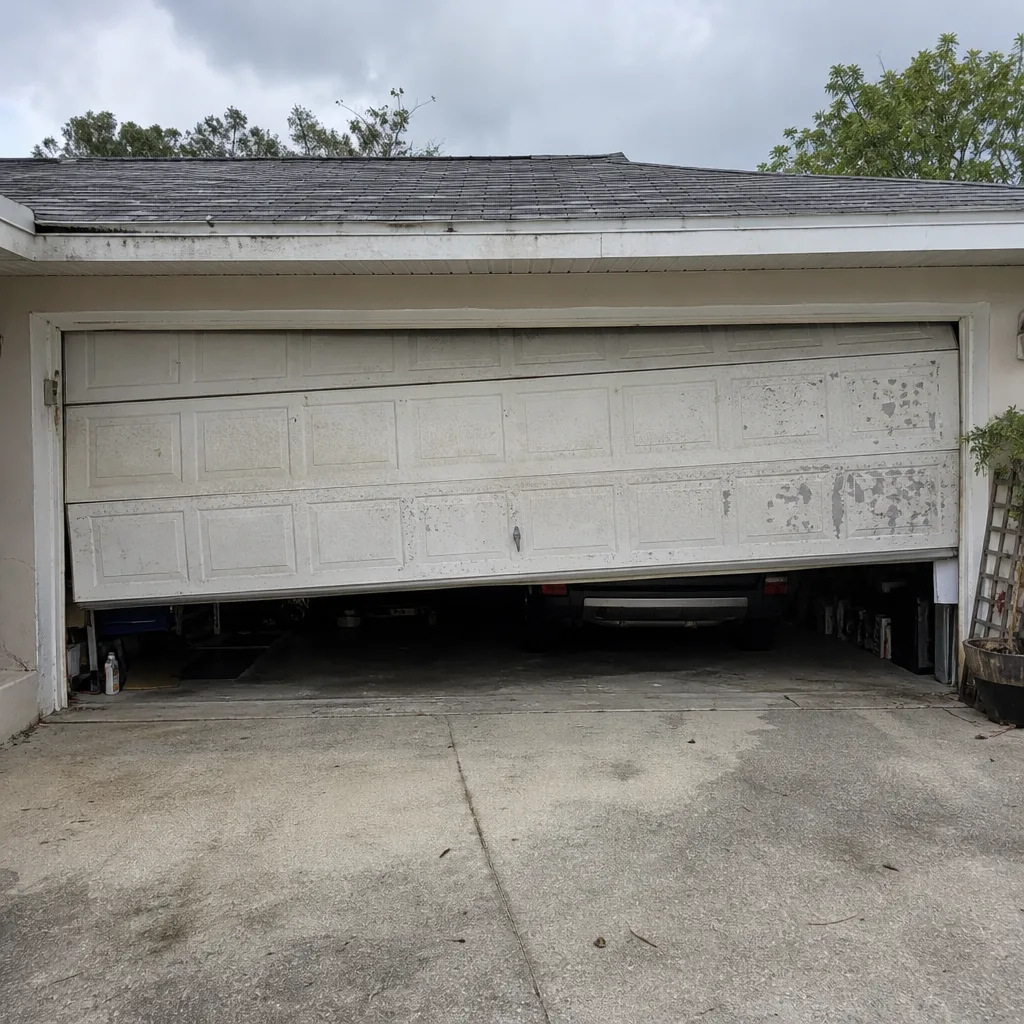 Before
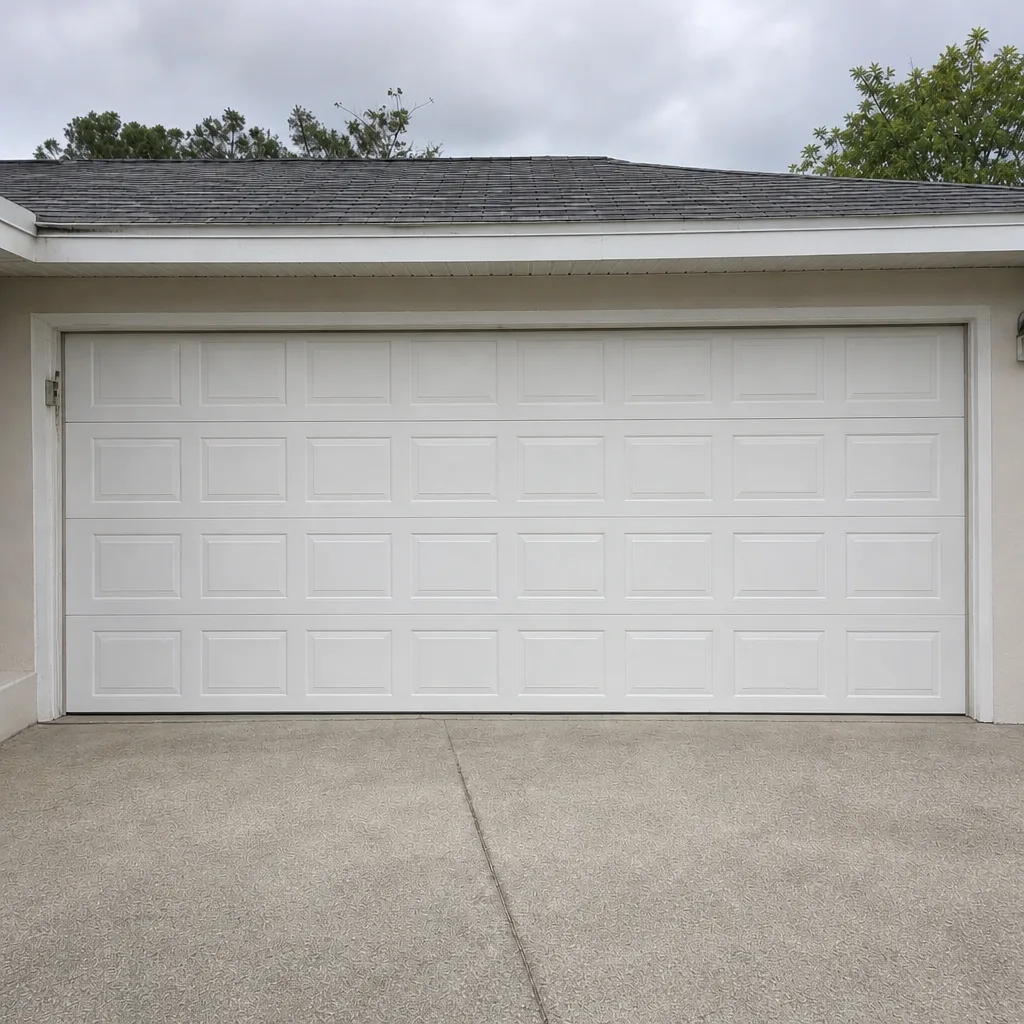 After
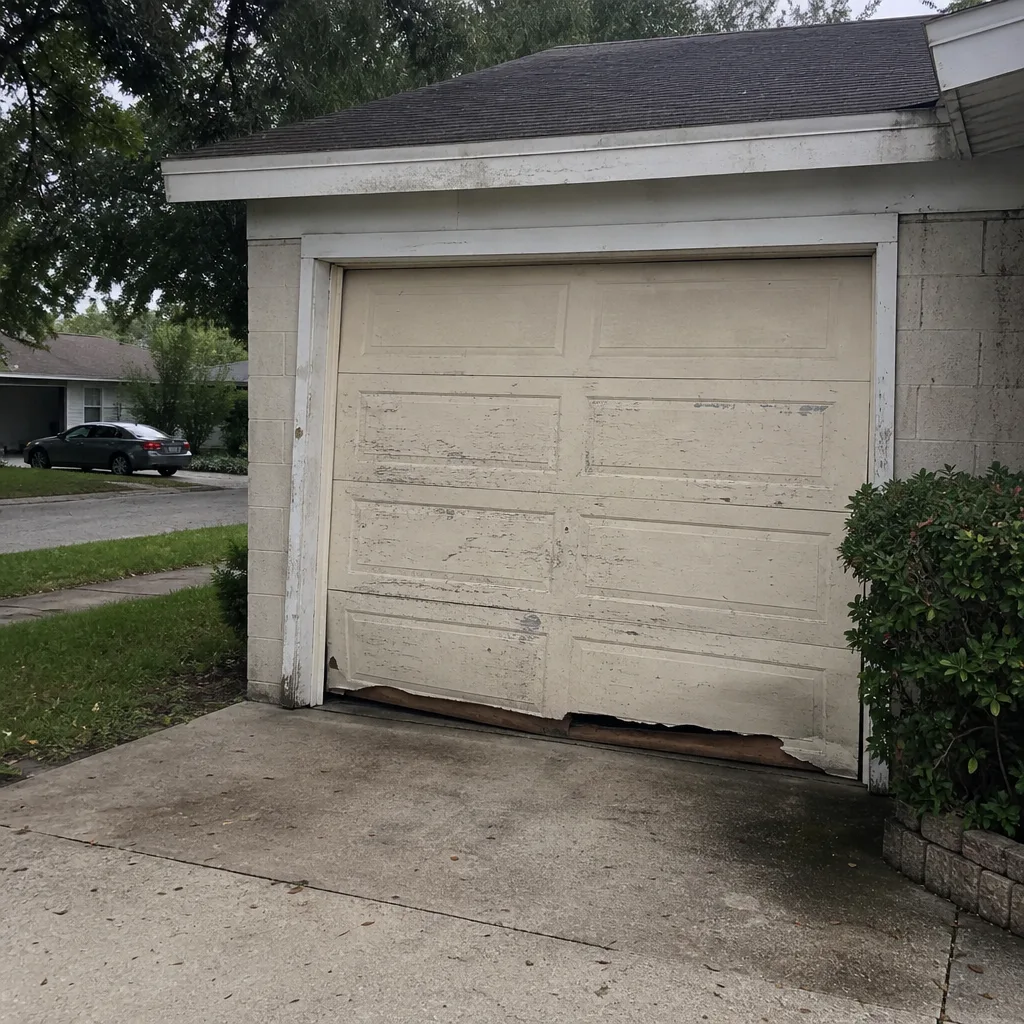 Before
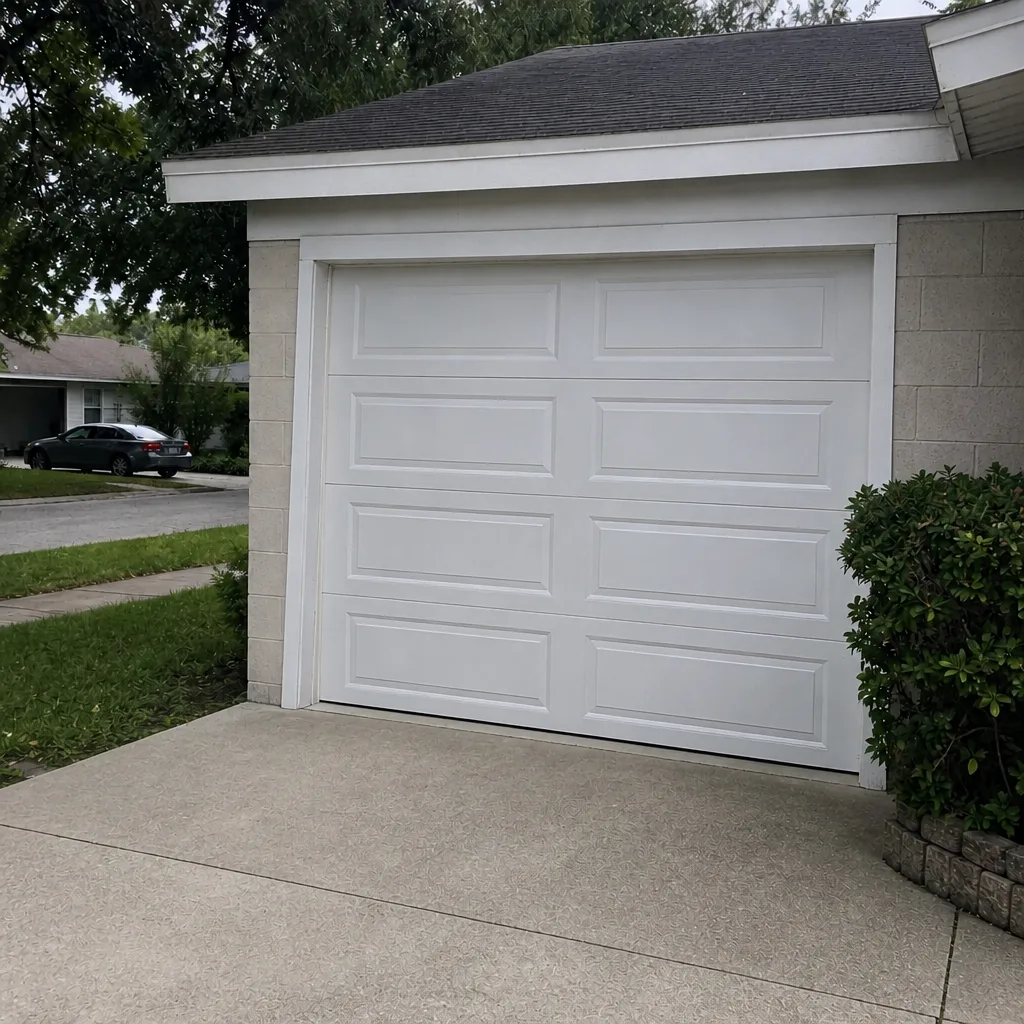 After
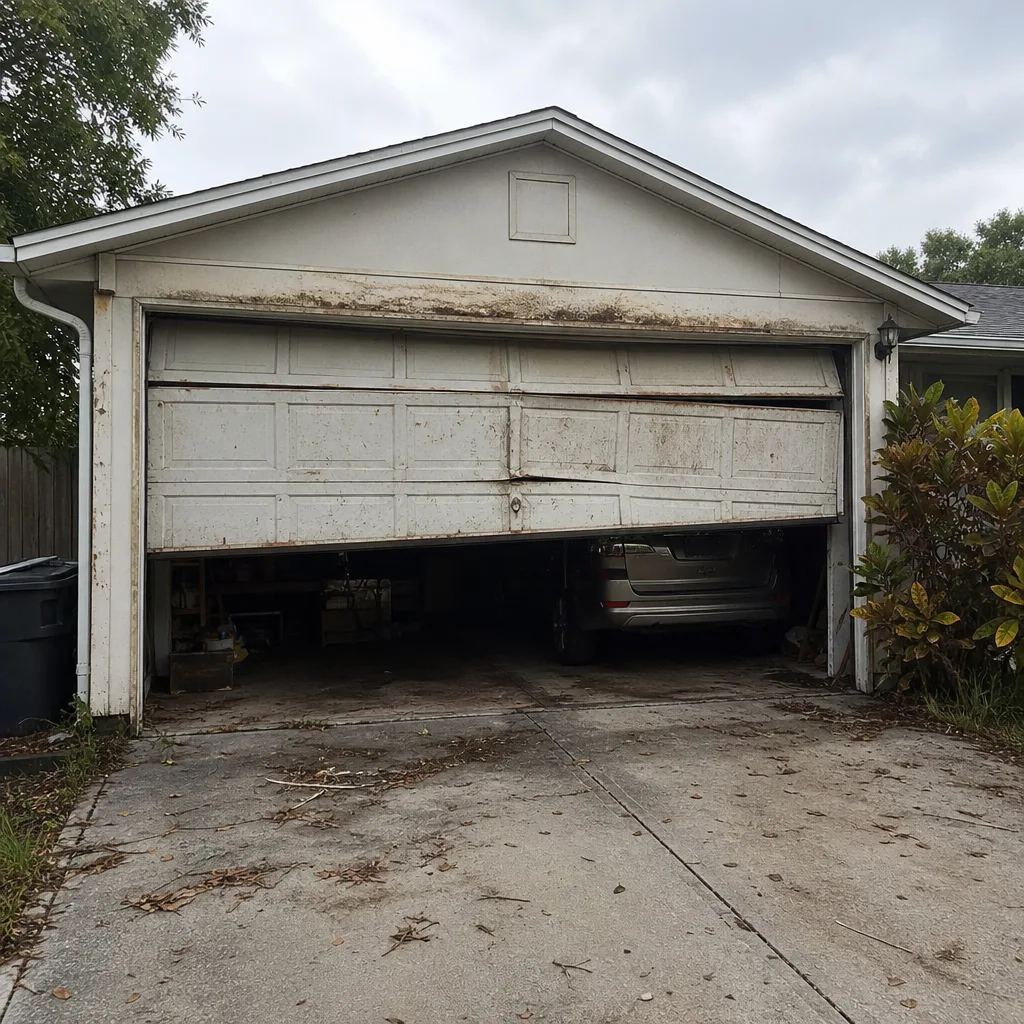 Before
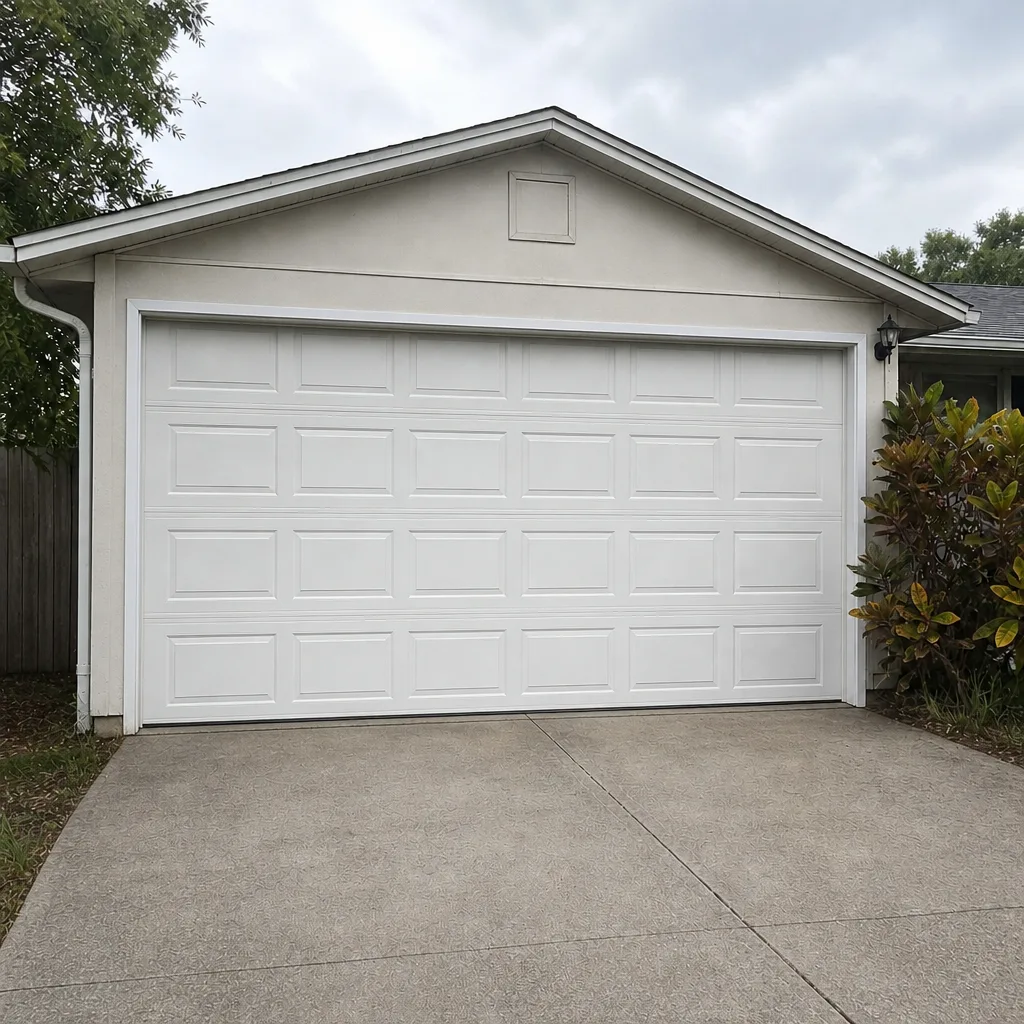 After
Frequently Asked Questions
Yes – a full garage door replacement in unincorporated Hillsborough County requires a building permit and an inspection. Repairs like spring, cable, or opener replacement generally don’t. If a quote you receive doesn’t include the permit on a full replacement, ask why. Call (833) 987-0462 for a straight answer on your specific job – estimates are free.
It depends on the exact property, not the neighborhood. Some parcels sit inside Hillsborough County’s wind-borne debris region and require large-missile impact doors, while others don’t. Call the county building department with your address to find out. If you’re not sure whether your existing door meets the requirement, we can confirm and quote from there.
It depends on whether the new panel matches the original door’s rated assembly. If it does, it’s a repair. If it doesn’t, the code generally treats the work as a full replacement, and that means a permit. Call before ordering a panel – an exact match saves more than it costs.
Search your address in the Hillsborough County building services online portal and look for a permit described as garage or overhead door work. If a record exists and shows “final” or “approved,” the installation was inspected. If the door looks newer than the house and no record exists, call the building department to ask what’s needed to bring it into compliance. Our team can also inspect the installation and compare it against the code for your zone.
We can work with you and your insurer on the repair itself. We don’t speak for your insurance company, and coverage decisions are theirs. What we can do is document the existing door accurately, quote a compliant replacement, and handle the permit so the new installation is inspected. Call (833) 987-0462 to start the conversation – estimates are free.
The local professionals we connect you with are licensed and insured as Florida requires. We work with you to confirm credentials before work begins. That covers the installer who anchors the door to the structure, which is the part of the job that matters most under wind load. Call (833) 987-0462 for details on a specific job.
The Bottom Line
Garage door replacement in Town ‘n’ Country is a permitted, inspected, code-regulated job, and the wind-load requirement is the reason. Springs and openers are repairs and don’t need a permit. Doors are a different category. Before you sign a quote, confirm the door’s product approval number, the wind rating for your address, and whether the permit is included. Check the county portal before you buy or sell a home so you know what you’re inheriting. And leave the springs and cables to a trained professional – the mechanical work and the paperwork are both less painful when you call an experienced specialist first. Call (833) 987-0462 for a free estimate.
Written by the team at Town ‘n’ Country Garage Door Repair Pros.