Last updated November 23, 2026
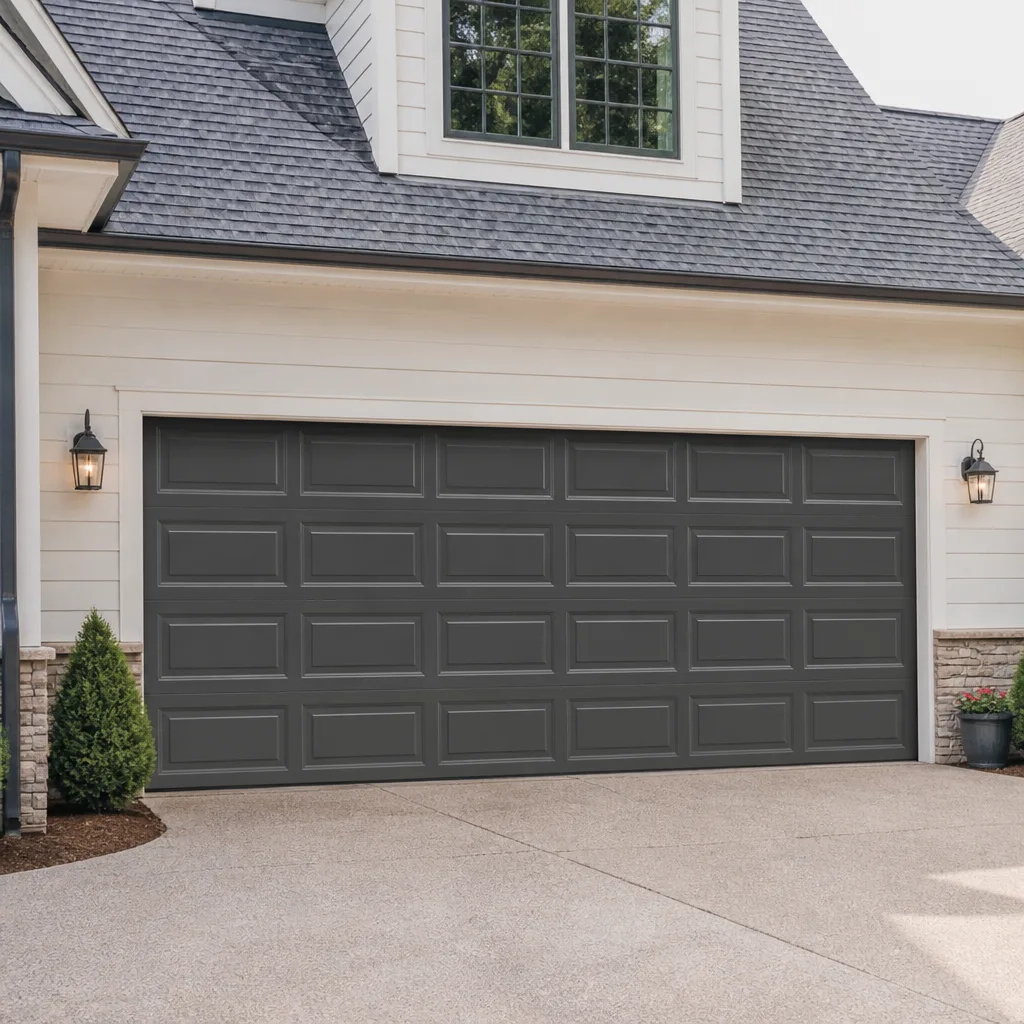 Raised-panel steel
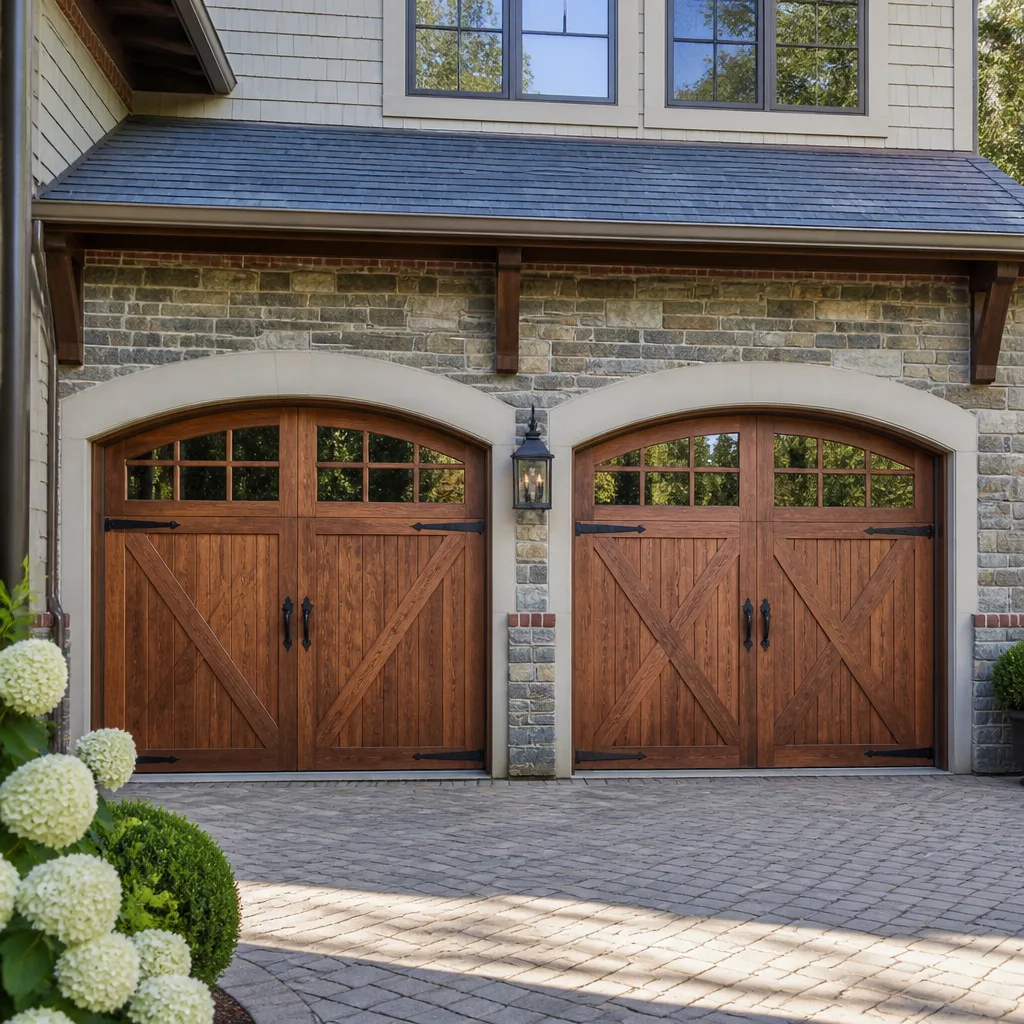 Carriage house
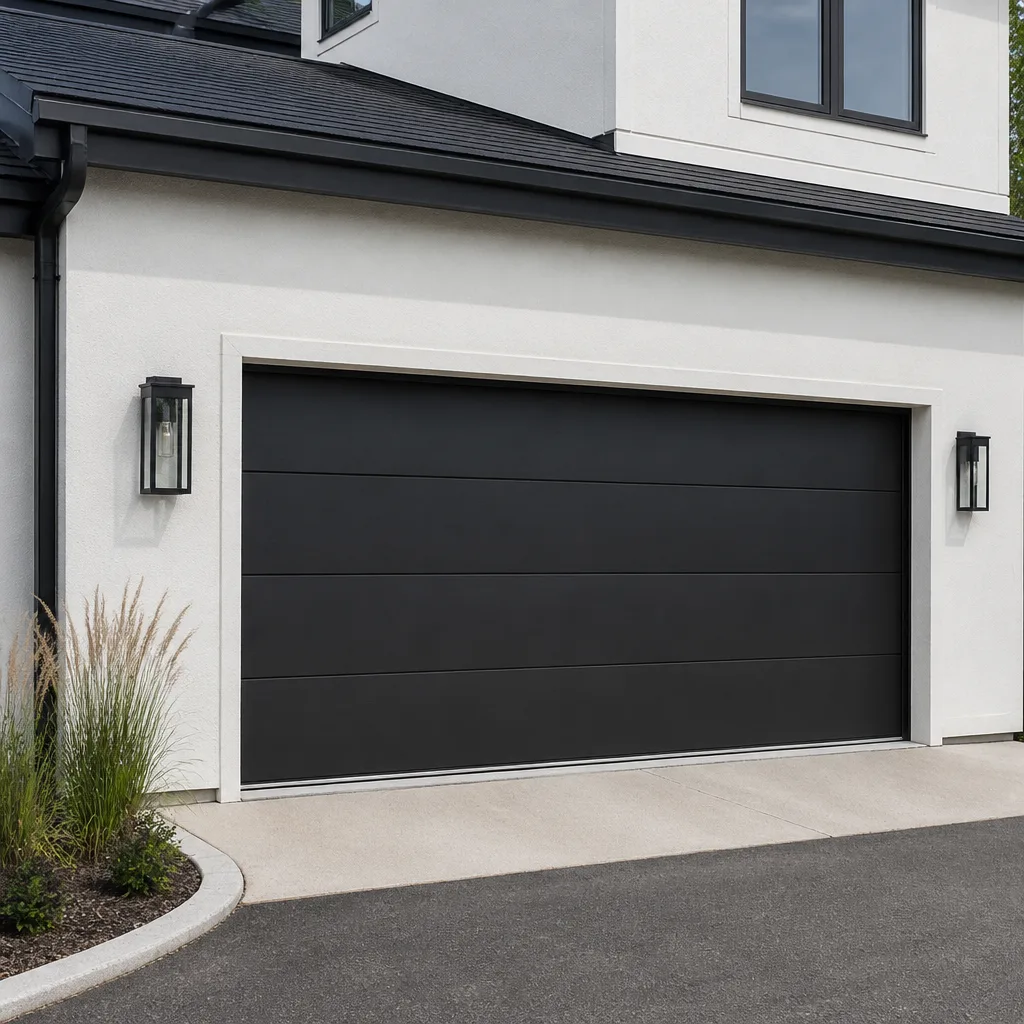 Modern flush
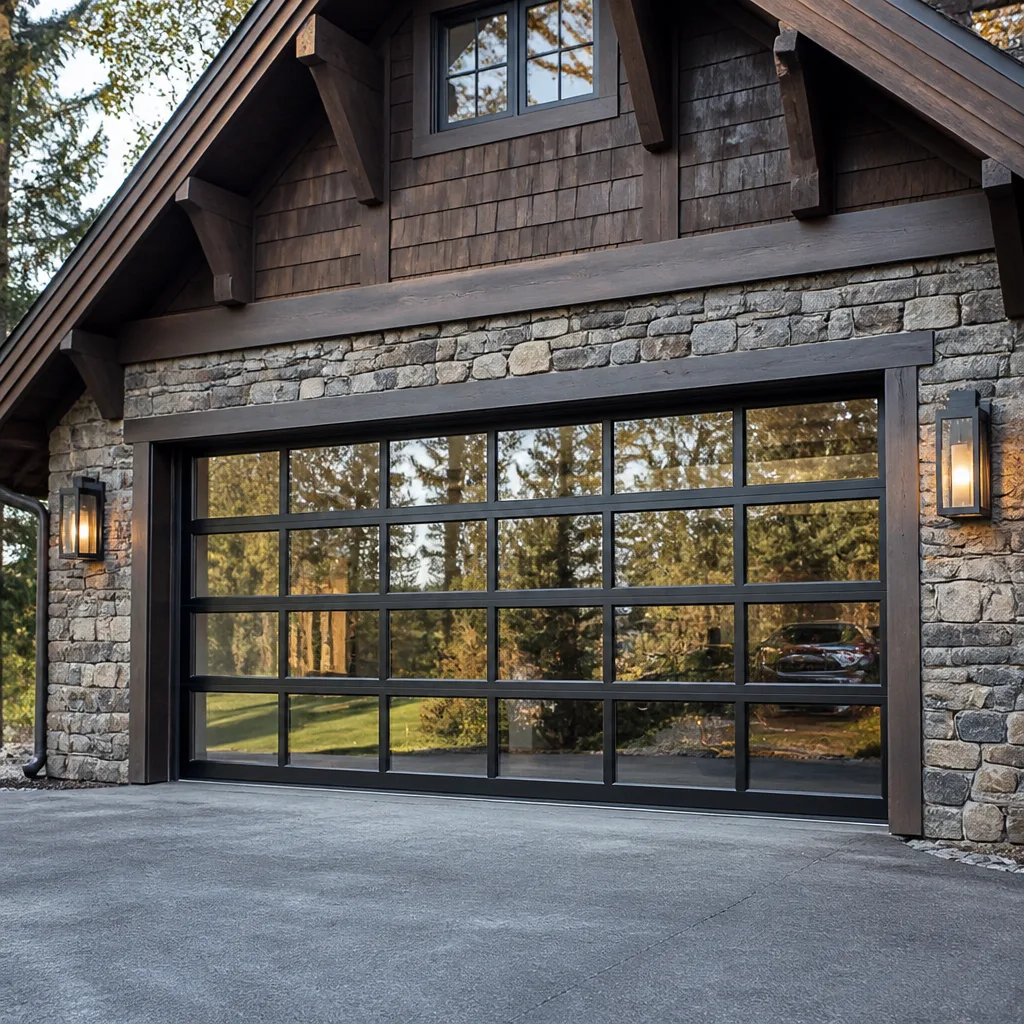 Full-view glass
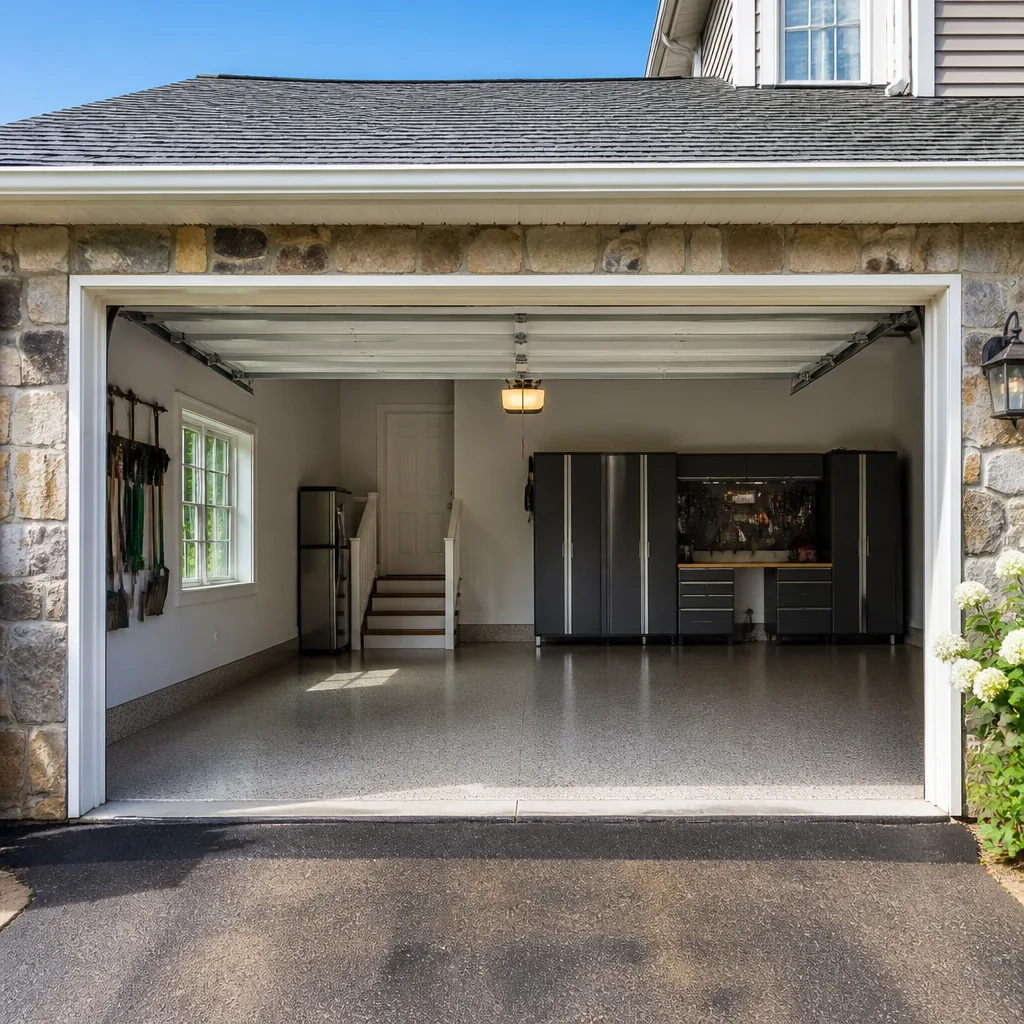 LiftMaster openers
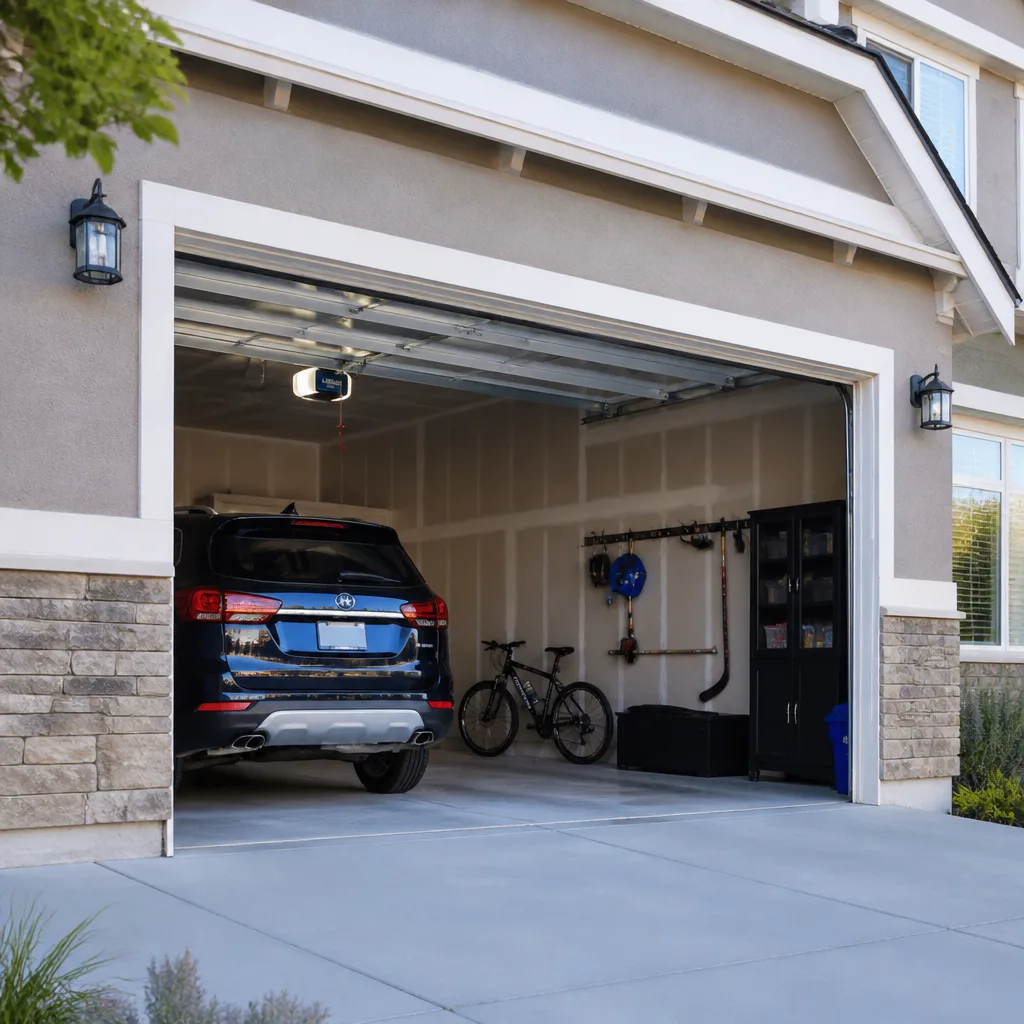 Chamberlain openers
Full 25-point door and opener safety check with every visit - springs, cables, rollers, tracks, and your LiftMaster or Chamberlain opener included
You get a price before we start. It does not change when the pro arrives.
Get your free estimateChoosing the Right Garage Door Brand: A Buyer’s Guide for Town ‘n’ Country
Most garage door brand advice is written for places that aren’t Florida. A door that performs beautifully in a dry, mild climate can struggle in the humidity and heat of the Tampa Bay area, and the manufacturer’s brochure will not tell you that. If you walk into a showroom or open a big-box website expecting the name on the door to settle the decision, you’re going to miss the three things that actually matter here: how the finish holds up in humid air, whether gaskets and seals survive the sun, and whether a warranty claim gets a fast local response. In this guide, we’ll walk you through corrosion warranties, steel thickness, Florida Product Approval, and brand tiers, all filtered through what makes sense for a Town ‘n’ Country home.
Quick Answer
The right garage door brand for a Town ‘n’ Country home comes down to three things: a manufacturer with local dealer support in Hillsborough County, a finish and steel spec built to handle Florida humidity, and a door that carries a Florida Product Approval number so it meets code. Clopay and Amarr are the most commonly specified brands in this region, with Genie and Chamberlain dominating the opener side. The brand name matters less than the gauge of the steel and the warranty behind it.
Styles & brands we work with
- Raised-panel steel
- Carriage house
- Modern flush
- Full-view glass
- LiftMaster openers
- Chamberlain openers
Table of Contents
- Why Brand Choice in Town ‘n’ Country Is Different
- How to Read a Corrosion Warranty (And What It Won’t Cover)
- Which Brands Have Authorized Dealers in Hillsborough County?
- Steel Gauge Ratings: Why 24-Gauge vs. 25-Gauge Matters More Than the Logo
- Florida Product Approval: The Code Check Most Buyers Skip
- Matching Brand Tier to Home Value Honestly
- Opener Brands: Why the Motor Matters As Much As the Door
- Ten Questions to Ask Before You Sign
Why Brand Choice in Town ‘n’ Country Is Different
A garage door in Town ‘n’ Country lives a harder life than its cousin in a dry climate. Between the humidity that hangs in the air for most of the year, the afternoon thunderstorms that roll through western Hillsborough County, and the direct sun that hits a south-facing door all afternoon, the exterior finish becomes the first thing to fail. That’s why the brand’s coating system and its warranty language matter far more here than they would in an arid market.
There’s a second reason local brand context matters: dealer and parts networks. A brand with strong dealer coverage in the Tampa Bay area will get a warranty claim handled in days. A brand sold mainly through national channels with no local authorized presence may leave you waiting on parts shipped from another state. We handle Town ‘n’ Country Garage Door Repair Pros work on the eight brands most homes in this area already have, which means the parts side of a repair rarely becomes a waiting game.
And a third factor, which we’ll cover in depth below: Florida’s code environment. Garage doors are wind-rated products in this state, and a door without a Florida Product Approval number is a permit and inspection problem, not just a design choice. Put those three together and you get a very different brand shortlist than you’d find in a national buying guide.
How to Read a Corrosion Warranty (And What It Won’t Cover)
A corrosion warranty on a garage door is not a promise that the door won’t rust. It’s a promise that a specific part of the door, usually the steel skin, won’t rust through completely, and only under the conditions the manufacturer spells out. Read the exclusions before you read the headline term, because the exclusions are where a high-humidity environment does its damage.
Here’s how to work through one:
- Find the covered component. Most manufacturers separate warranties into separate sections for the finish, the steel, the hardware, the torsion spring, and the opener. Corrosion coverage usually applies only to the steel skin.
- Read what voids it. Common exclusions include salt spray exposure, use of abrasive cleaners, doors installed where pool chemicals sit in the air, and any modification to the coating or trim.
- Check the “rust-through” threshold. Most policies only pay when there’s an actual hole in the steel, not surface staining or cosmetic oxidation, which is what a humid climate usually produces.
- Look for the maintenance requirement. Several manufacturers require documented, periodic washing of the door. If you skip it and later file a claim, they can decline it.
- Confirm the parts and labor split. Some policies cover the panel but not the dealer’s time to install it.
What does this mean for a Town ‘n’ Country homeowner? If your home is close to a pool, on a canal, or under a lot of tree cover where leaves trap moisture against the door, expect the finish warranty to be the one that gets invoked, not the corrosion warranty. A polyurethane-injected steel model with a factory-applied finish is going to last longer under those conditions than a basic painter-ready panel, no matter which logo is stamped on it.
Which Brands Have Authorized Dealers in Hillsborough County?
Authorized dealer networks are the least glamorous part of brand selection and they have the biggest effect on what happens after the sale. When a Clopay, Amarr, Clopay or Wayne Dalton door needs a warranty panel replaced, the manufacturer routes the claim through its dealer network, and the local dealer’s response time is what determines whether you wait two days or two weeks.
In Hillsborough County, the brands with the deepest authorized dealer and service coverage tend to be the ones you see most on residential installations: Clopay, Amarr, and Wayne Dalton on the door side, and LiftMaster, Chamberlain, Genie, Craftsman, and Raynor on the opener side. That’s not a ranking of quality, it’s an observation about local infrastructure. The better question is: does this brand have someone in the Tampa Bay area who can pull my door model up, order the right part, and get it installed? If the answer is no, price becomes less relevant.
Ask the dealer two direct questions before you sign:
- Are you a factory-authorized dealer for this specific door line, or do you buy it through a distributor?
- If a panel needs replacement under warranty, who handles the claim locally and what’s the usual turnaround?
A distributor arrangement isn’t disqualifying, but it typically adds steps to a warranty repair. For a door you plan to keep for twenty years, that’s worth knowing up front. When we handle garage door installation for a customer, we walk through dealer coverage as part of the sizing conversation, because switching brands before the door is ordered is easy; switching after is not.
Steel Gauge Ratings: Why 24-Gauge vs. 25-Gauge Matters More Than the Logo
Steel gauge is measured in reverse: a lower number means thicker steel. A 24-gauge door skin is thicker and more dent-resistant than a 25-gauge skin, and for a Florida home that difference is more consequential than whether the panel is labeled Clopay or Amarr. Thinner steel flexes more under wind pressure, dents more easily from a bumped car or a stray baseball, and can develop finish cracks at the seams where humidity gets in.
Here’s the practical hierarchy for most Town ‘n’ Country homes:
- 25-gauge: common on entry-level insulated and non-insulated doors. Adequate for a low-traffic second bay, but expect dents and finish wear sooner in a humid, high-sun environment.
- 24-gauge: the sensible standard for a primary garage door. Noticeably more rigid, holds a factory finish better, and typically comes with a stronger warranty.
- 22-gauge or thicker: premium territory, usually paired with polyurethane insulation and heavier hardware. Worth it when the door faces the street and takes summer sun square-on.
The gauge isn’t printed on the outside of the door, so you have to ask. A reputable dealer will have the spec sheet. If someone waves the question off, that’s an answer in itself. We see this come up constantly in Town ‘n’ Country, where a lot of homes were built with builder-grade 25-gauge doors that have since been dented, warped, or faded on the west side. When we carry out garage door repair on a sagging or stiff panel, the gauge of the original steel is usually the reason it got there.
Florida Product Approval: The Code Check Most Buyers Skip
Florida Product Approval is the state’s system for verifying that a building product meets the wind-load and impact requirements of the Florida Building Code. A garage door installed in Town ‘n’ Country without a valid Florida Product Approval number can fail inspection, and it may create a real problem when a home is sold or reinsured. It’s a code compliance issue, not a brand preference issue.
Here’s how to check one:
- Ask the dealer for the door’s Florida Product Approval number. It’s a specific identifier, not a general marketing claim, so they should be able to produce it quickly.
- Look the number up in the Florida Department of Business and Professional Regulation’s product approval database, which is public and searchable.
- Confirm the approval covers your specific door model, size, and wind zone. Approvals are tied to configurations, so a number valid for a 9-foot door may not cover a 16-foot door from the same line.
- Make sure the approval document matches the installation method being used, since anchors, brackets, and reinforcement all factor in.
Permit rules vary by jurisdiction, so confirm with Hillsborough County’s building department what’s required for your address before work starts. A door with the right product approval makes the inspection straightforward. A door without one can mean redoing the install. Ask the question before the order goes in, not after the inspector arrives. Our technicians have up to 14 years of experience and can help you read the approval documents if you’re unsure what you’re looking at.
Matching Brand Tier to Home Value Honestly
Whether a premium brand earns its cost depends on the house, not the brochure. On a Town ‘n’ Country home where the garage faces the street and dominates the front elevation, a premium door with full polyurethane insulation and a 24-gauge or heavier skin influences curb appeal and resale perception. On a home where the garage is tucked behind the front facade or faces a side yard, a quality mid-tier door delivers nearly the same function for less.
A simple way to think about it:
- Premium brands earn their cost when the door is a visible architectural feature, when the home has a higher market value, or when noise and heat transfer between the garage and living space actually matter (a room above, a bedroom beside).
- Mid-tier outperforms the price gap when the door is functional first, when the home is a rental or a long-hold, or when the surrounding homes are budget-conscious. You get a solid finish and decent insulation without paying for a name.
- Entry-level is fine for a detached shop, a storage bay, or an outbuilding where comfort and appearance aren’t the point.
The honest test is this: walk out to the street and look at your house from thirty feet away. If the garage door is the first thing that registers, premium is worth considering. If it’s not, don’t pay for prestige. In our experience, more Town ‘n’ Country homeowners are better served by a well-specified mid-tier door than by a stripped-down premium model.
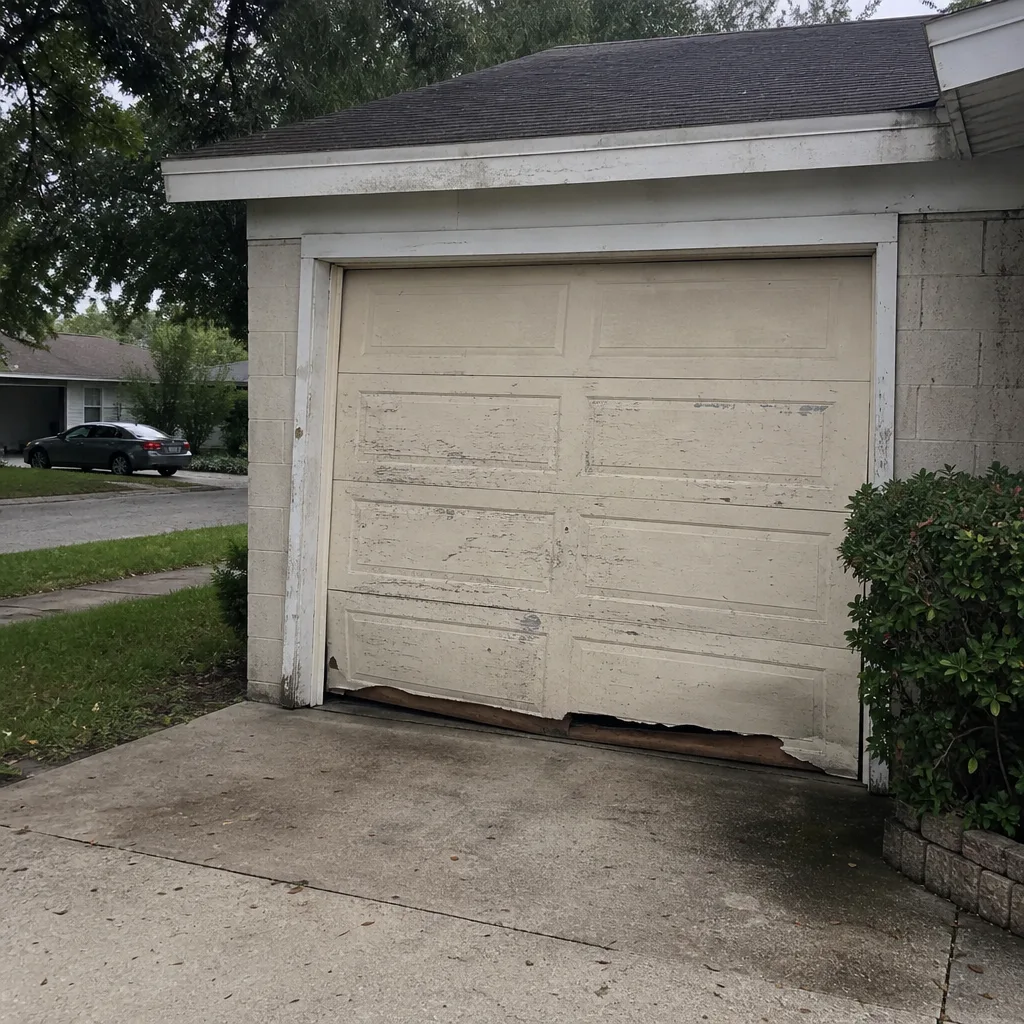
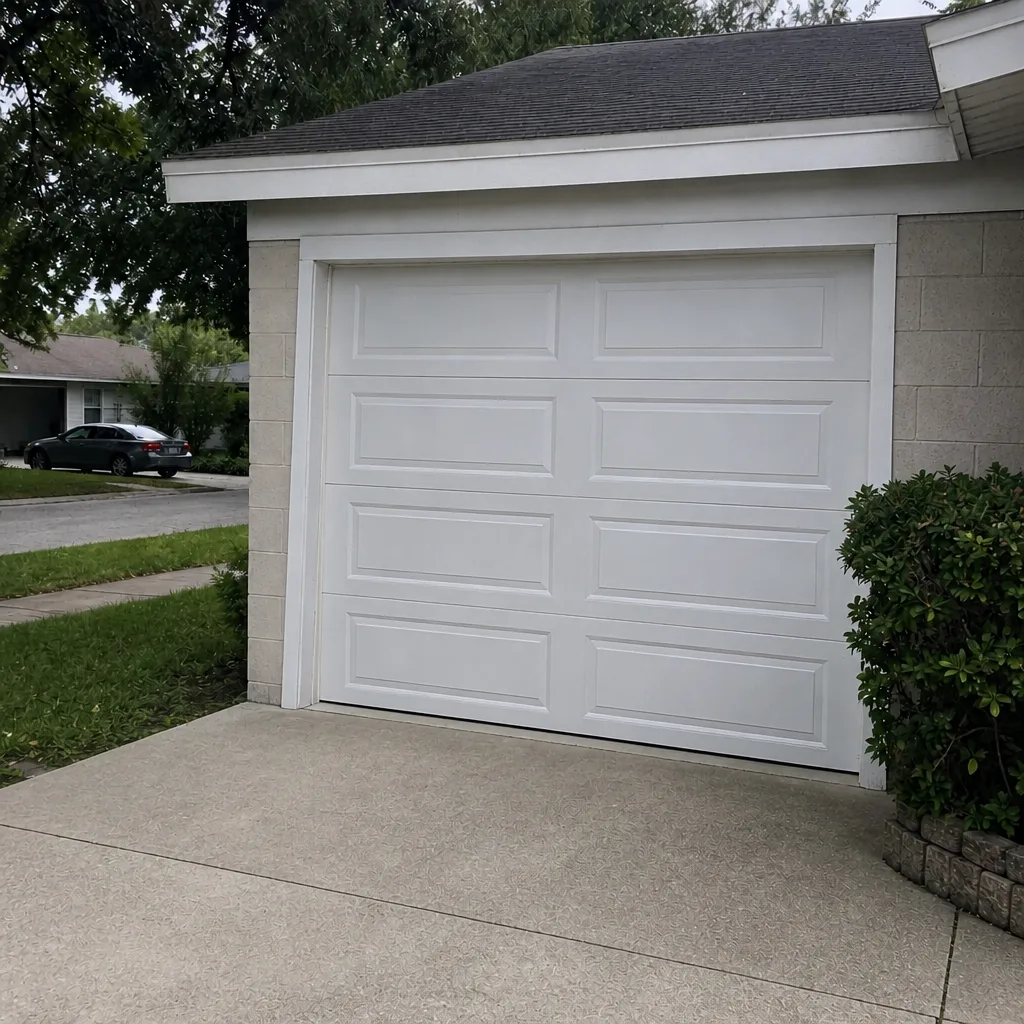
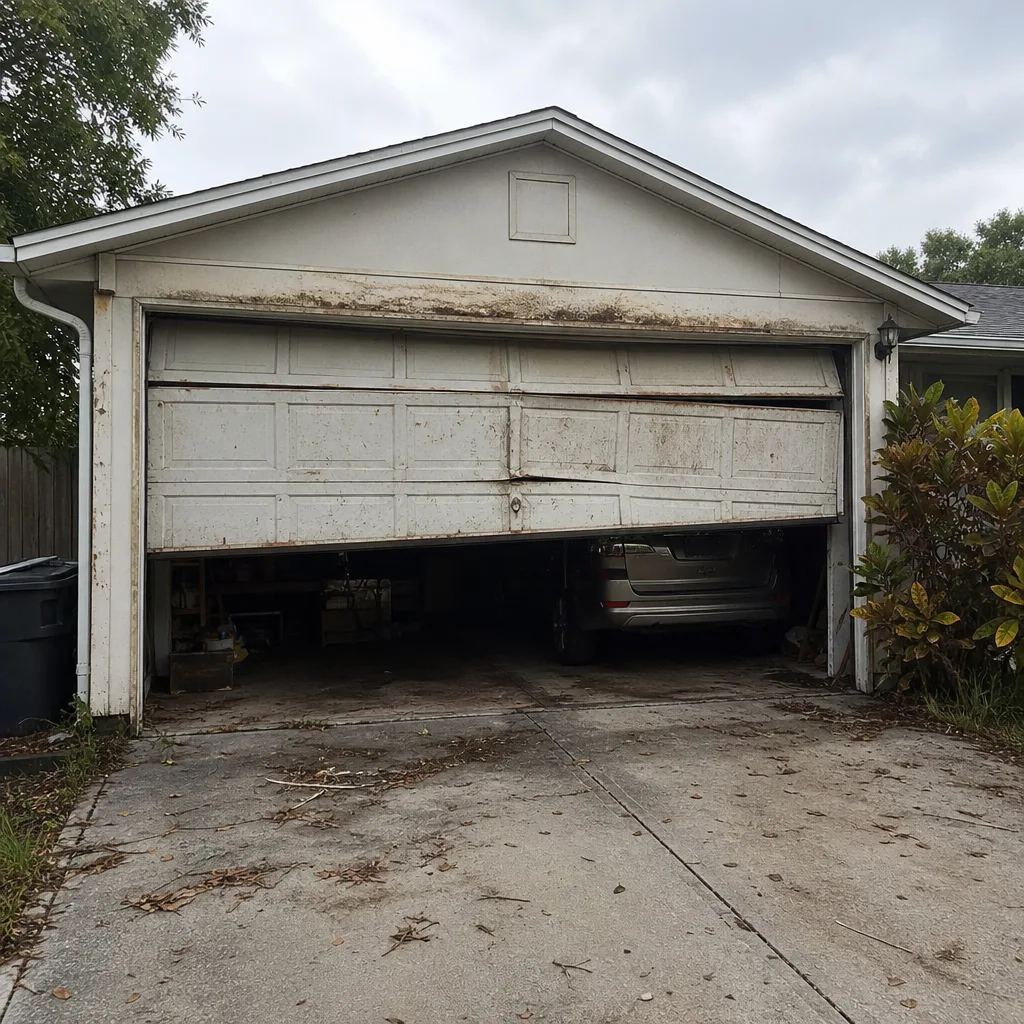
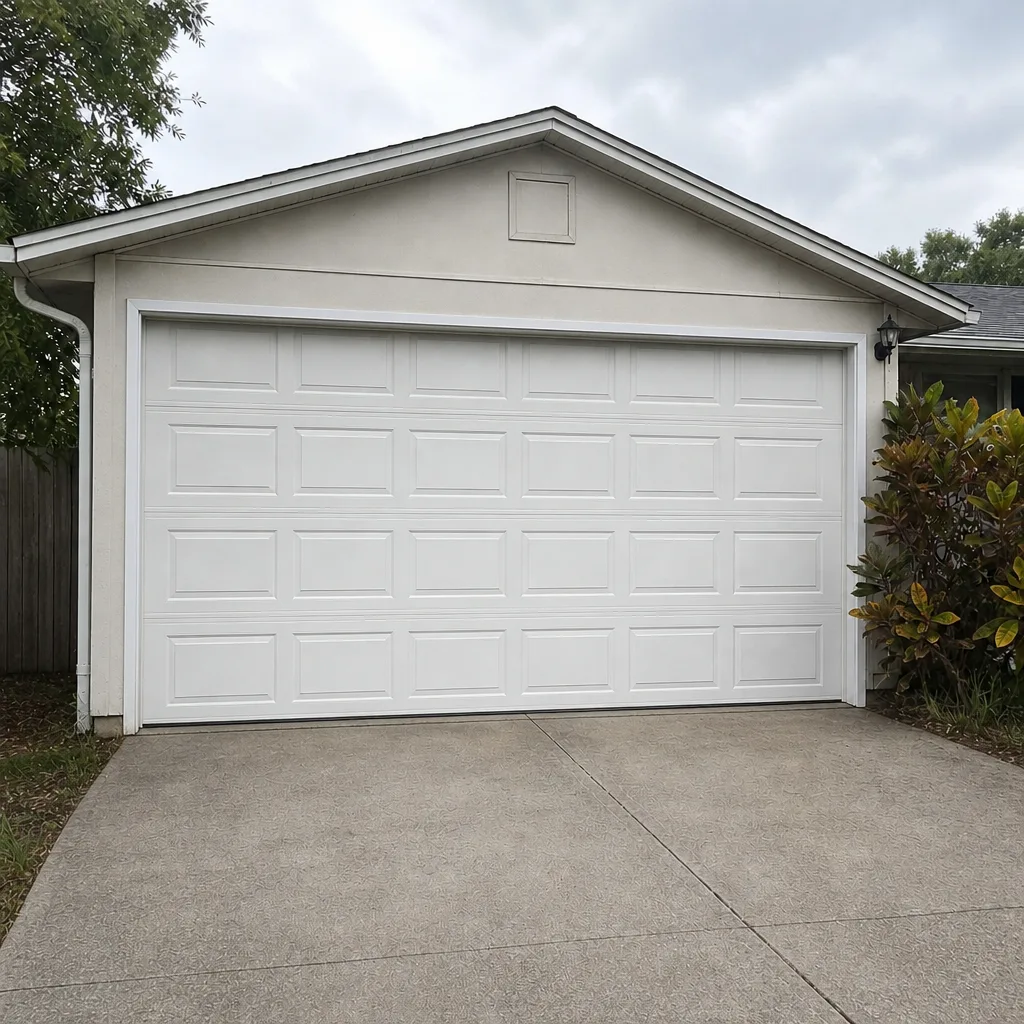
See the difference
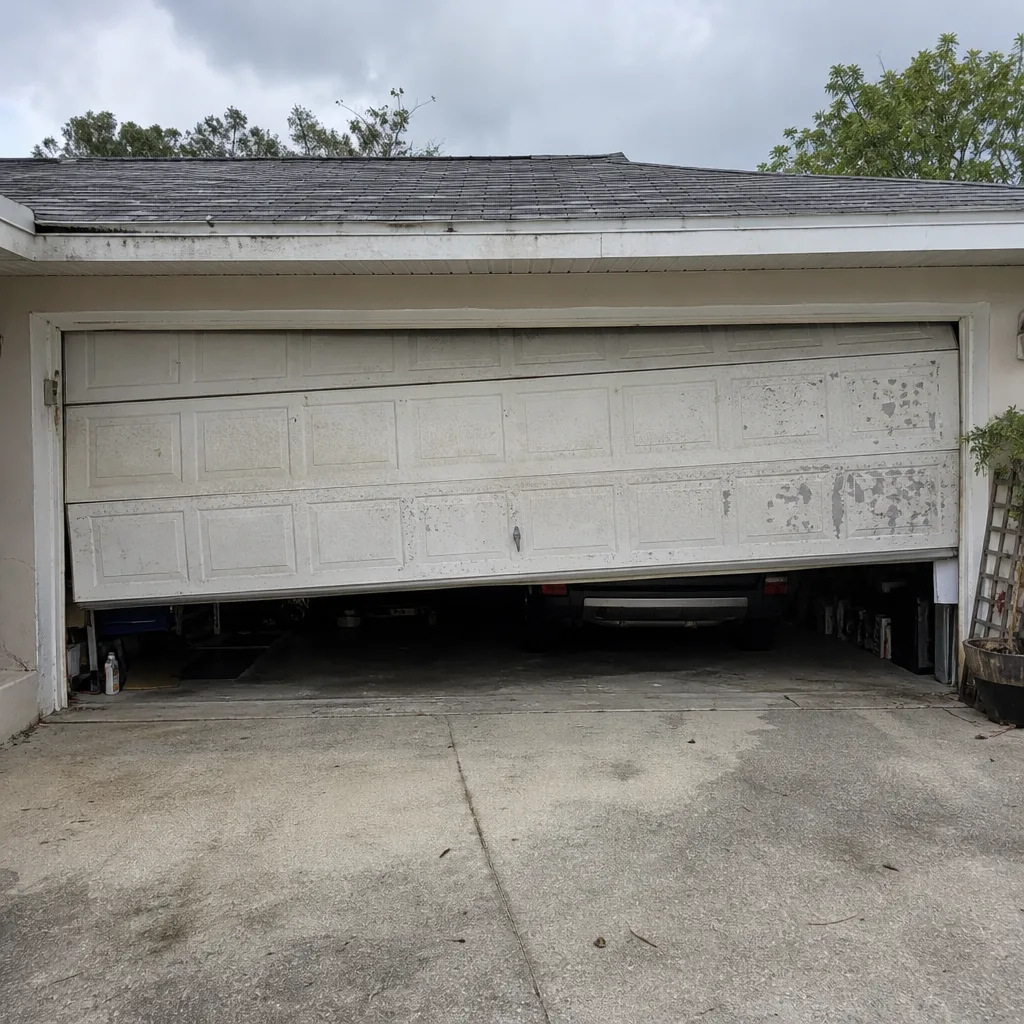 Before
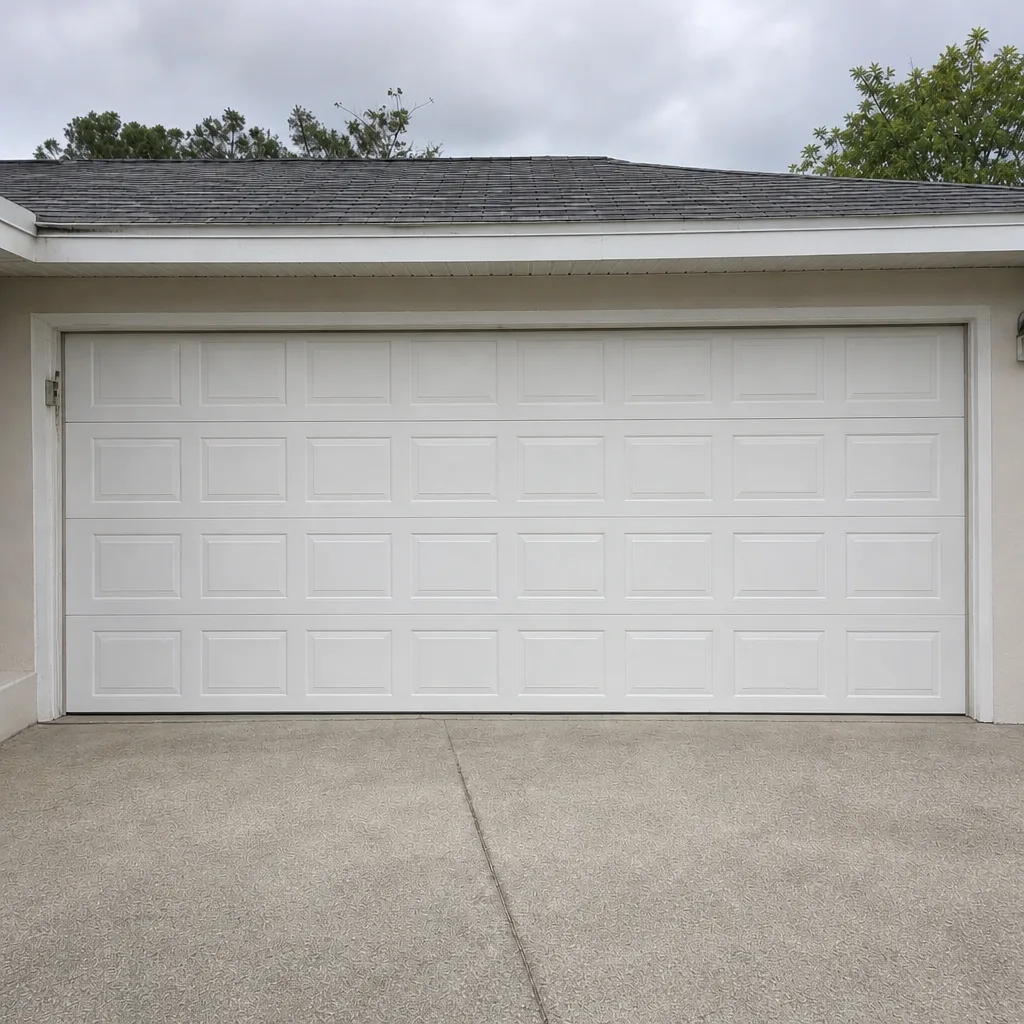 After
 Before
 After
 Before
 After
Opener Brands: Why the Motor Matters As Much As the Door
Choosing a door brand and choosing an opener brand are two separate decisions, and buyers routinely conflate them. The door is a passive component; the opener is the machine that moves it. A great door paired with an undersized opener wears faster, and a quality opener paired with a warped panel fights the door every cycle. The best-known names in residential openers are LiftMaster, Chamberlain, Genie, Craftsman, and Raynor, and most of the homes we see in Town ‘n’ Country already have one of them.
Three things matter when you match an opener to a door:
- Horsepower to door weight. A single-car door and a double-car door need different lifting capacity. Oversizing wastes money; undersizing burns out the motor.
- Belt vs. chain drive. Belt drives run quieter, which matters if there’s a bedroom above the garage. Chain drives are tougher and cheaper but louder.
- Safety reverse. Every opener sold in the US has to have a working safety reverse and photo-eye system, but they fail over time, and that failure is a genuine safety issue for kids and pets.
If you already have one of the common brands, stay with it for the opener unless the door itself is a different requirement. If you’re replacing only the motor, garage door opener repair or a straight swap is often the more cost-effective move than a full door replacement. If both are on their last legs, replacing them together avoids mismatched specs.
Ten Questions to Ask Before You Sign
These ten questions work across any brand and any dealer, and they’ll sort out a serious contractor from a sales pitch in one conversation.
- What’s the steel gauge on this door, and does the spec sheet confirm it?
- What’s the Florida Product Approval number, and does it cover my door size and my wind zone?
- What are the exclusions on the corrosion warranty, and what maintenance does the manufacturer require?
- Are you a factory-authorized dealer for this door line, or a distributor?
- Who handles warranty claims locally, and what’s their typical response time?
- What’s the total installed price, including removal and disposal of the old door?
- Does the price include the opener, or is that a separate line item?
- What’s the insulation R-value on the model I’m being quoted?
- Is the door going to be balanced and tested before you leave, and who do I call if it needs adjustment?
- What’s the written estimate, and does the final invoice match it?
That last one is the question we hear most from homeowners who’ve had a bad experience elsewhere. Our answer is direct: the price is quoted and agreed before any work starts, and the written estimate sets the final price. No surprises after the door is off the truck. For a spring failure, an opener that won’t lift, or a door that won’t close and leave you secure, we’ll get someone out fast. For new installations and full replacements, the sequence runs measure, order, install, and the estimate is written before a single panel is ordered.
Common Mistakes to Avoid
- Buying on the logo without checking the gauge. A 25-gauge Clopay and a 24-gauge Amarr are not interchangeable in a humid climate. Ask for the gauge, and let that drive the decision.
- Ignoring Florida Product Approval until inspection day. A door without an approval number for your configuration can fail inspection and delay your certificate of occupancy or resale. Check the number before you sign.
- Taking the corrosion warranty at face value. The headline term is not what pays out. Read the exclusions, especially anything about salt spray, pool chemicals, or required washing.
- Replacing the door and keeping a worn-out opener. A new door on a tired motor is a mismatch waiting to happen. If the opener is near the end of its life, plan for both.
- Assuming a low-priced dealer is a good deal. A distributor arrangement that adds weeks to a warranty repair is not a bargain, especially in Town ‘n’ Country where afternoon storms and humidity punish a door that’s waiting on parts.
- Overlooking the sun orientation. A west-facing door takes the worst of a Florida afternoon. Spend up on the finish if that’s your setup, and save on a shaded side.
- Forgetting to ask who handles the install. The door brand’s warranty assumes a properly installed door. If the installer isn’t qualified or the anchor pattern isn’t right, the warranty can be voided.
When to Call a Professional
Brand selection is a buying decision, but brand selection only gets you halfway. Once the door is on the house, the practical question becomes: who comes when something goes wrong? Call a professional when a torsion spring snaps, when the door comes off its track, when the opener runs but the door doesn’t move, when the door is visibly out of balance, or when a panel is dented or warped badly enough that the door won’t seal. Springs, cables, and tracks are not a DIY project: they store significant energy and can cause serious injury. For brand advice, sizing, and installation, a professional measurement is the fastest way to know what will actually fit your garage. Town ‘n’ Country Garage Door Repair Pros offers free estimates in Town ‘n’ Country and works on the brands most homes here already have. Call (833) 987-0462.
Frequently Asked Questions
There’s no single best brand, but Clopay and Amarr are the most commonly specified in this region because of local dealer coverage and finishes built for humid climates. What matters more than the brand name is the steel gauge, the Florida Product Approval number, and the corrosion warranty terms. Call (833) 987-0462 for a free estimate and we’ll walk through the options that fit your house.
It matters, but less than the finish system and the gauge of the steel. A high-quality factory finish on 24-gauge steel from a mid-tier brand will outperform a basic finish on 25-gauge steel from a premium brand in a humid, high-sun environment. Look at the coating warranty and the exclusions before you look at the label. Call (833) 987-0462 and we’ll help you compare specific models on those specs.
Yes, you need it. Florida Product Approval is the state’s verification that a garage door meets wind-load and impact requirements, and a door without a valid approval number for your model and size can fail inspection. Ask the dealer for the number and look it up in the state’s public product approval database before you sign. Confirm permit specifics with the Hillsborough County building department for your address. Call (833) 987-0462 with questions.
For a primary garage door, yes. The thicker steel resists dents better, flexes less under wind pressure, and holds its finish longer in a humid climate. The price difference is modest relative to the lifespan of the door. If you’re replacing a builder-grade 25-gauge door that’s dented or warped, the upgrade is one of the more sensible moves you can make. Call (833) 987-0462 for a quote.
Not necessarily. The door and opener are separate systems, and the right pairing depends on door weight, garage layout, and noise tolerance more than brand matching. Genie and Chamberlain openers work with doors from Clopay, Amarr, and most other major manufacturers. Stay with your existing opener brand if it’s healthy, but don’t force brand symmetry if it costs you function. Call (833) 987-0462 if you want help choosing an opener for a specific door.
Ask them directly, and ask whether they’re a factory-authorized dealer or a distributor. Authorized dealers typically handle warranty claims locally and have faster parts access; distributors add steps. You can also check the manufacturer’s website for a dealer locator tool. Call (833) 987-0462 if you want an opinion on a specific door line before you commit.
The Bottom Line
The garage door brand question in Town ‘n’ Country is really four questions stacked together: does the brand have local support here, does the finish hold up to Florida humidity, is the steel thick enough to matter, and does it carry a Florida Product Approval number that will pass inspection. Answer those four and the logo becomes a preference rather than a gamble. Clopay and Amarr will cover most homes well, Genie and Chamberlain will cover the opener side, and the gauge and the warranty will tell you whether the price is fair. We work on the brands most homes already have, so the brand conversation is a short one. Call (833) 987-0462 for a free estimate and a written price before any work begins.
Written by the team at Town ‘n’ Country Garage Door Repair Pros.