Last updated November 23, 2026
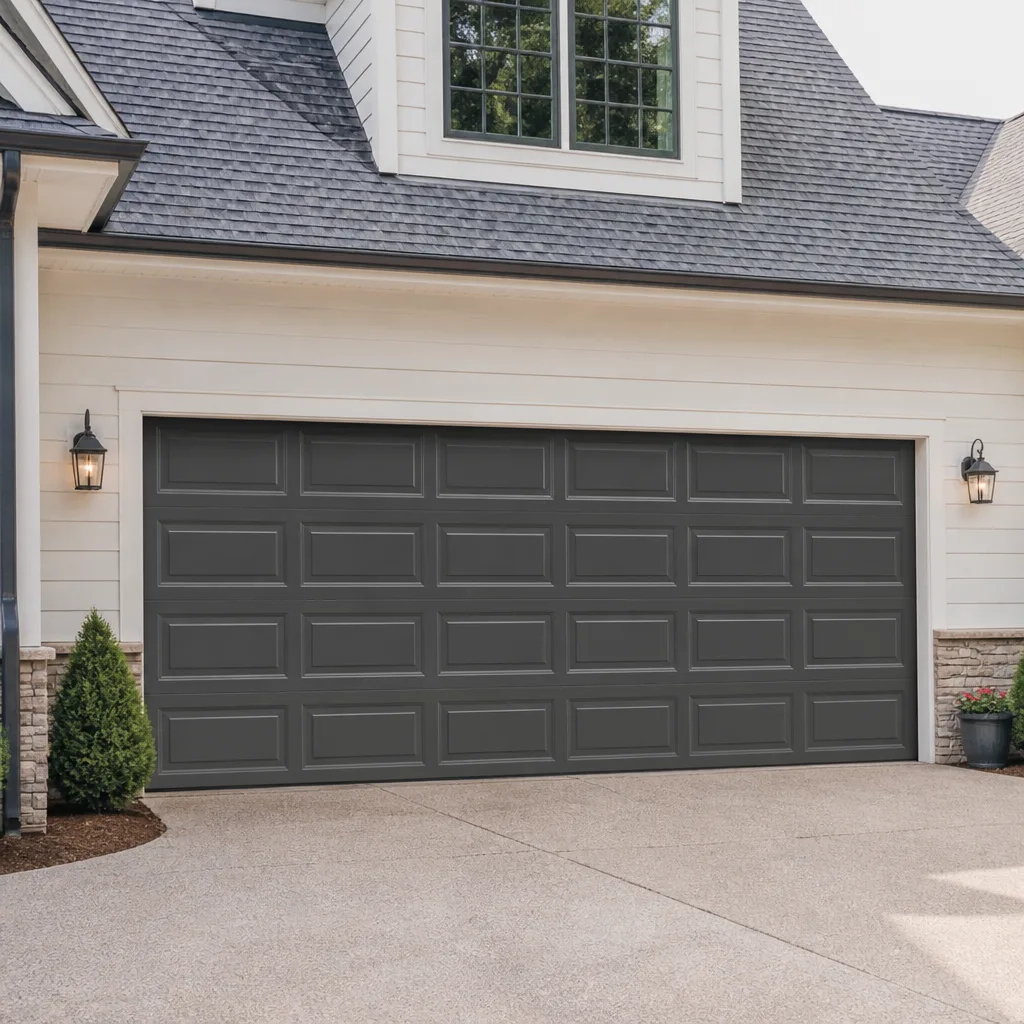 Raised-panel steel
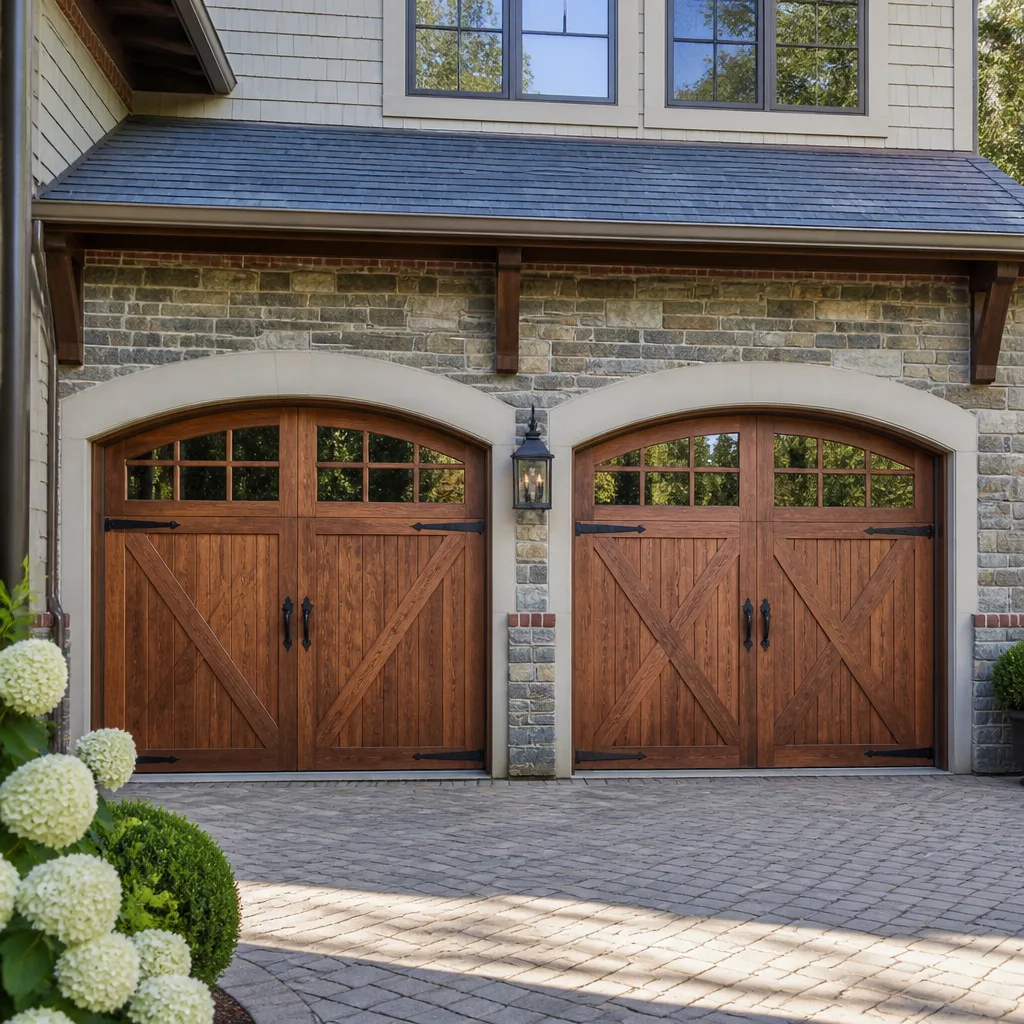 Carriage house
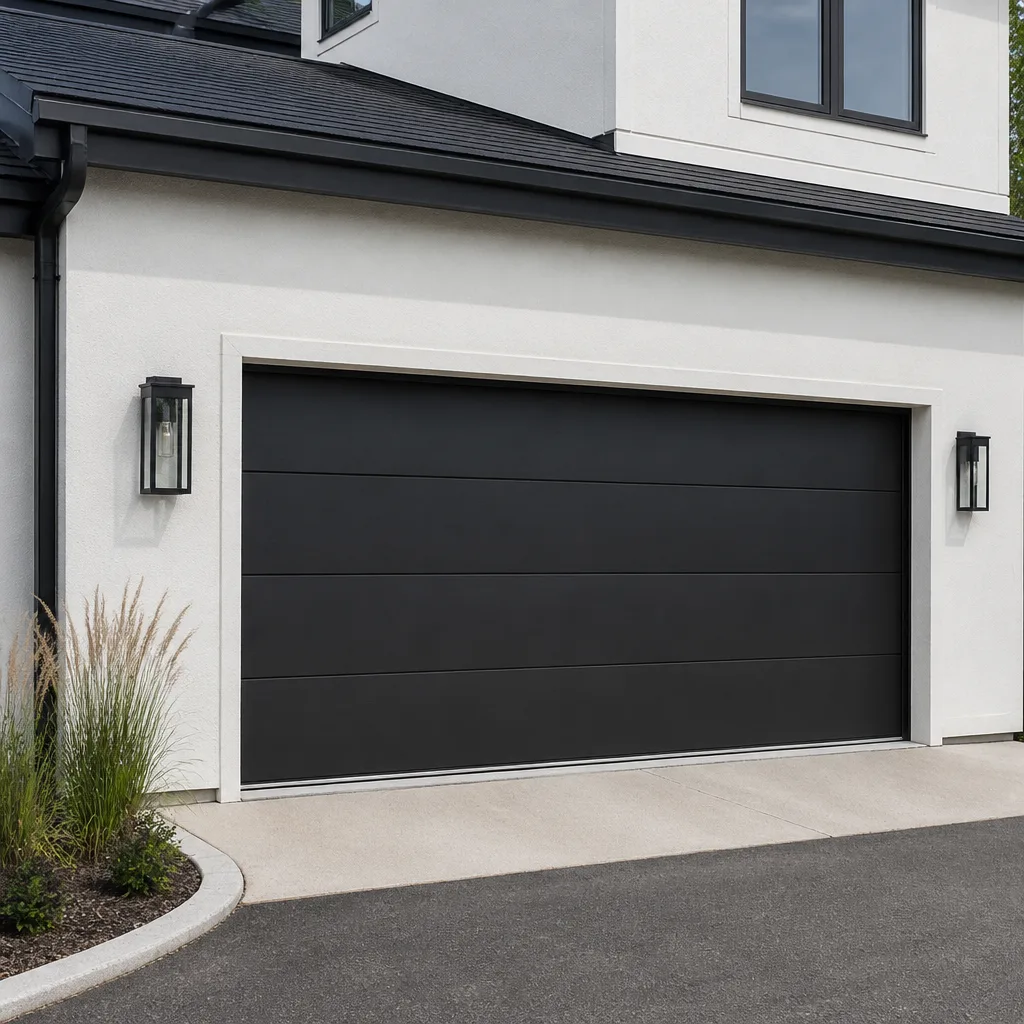 Modern flush
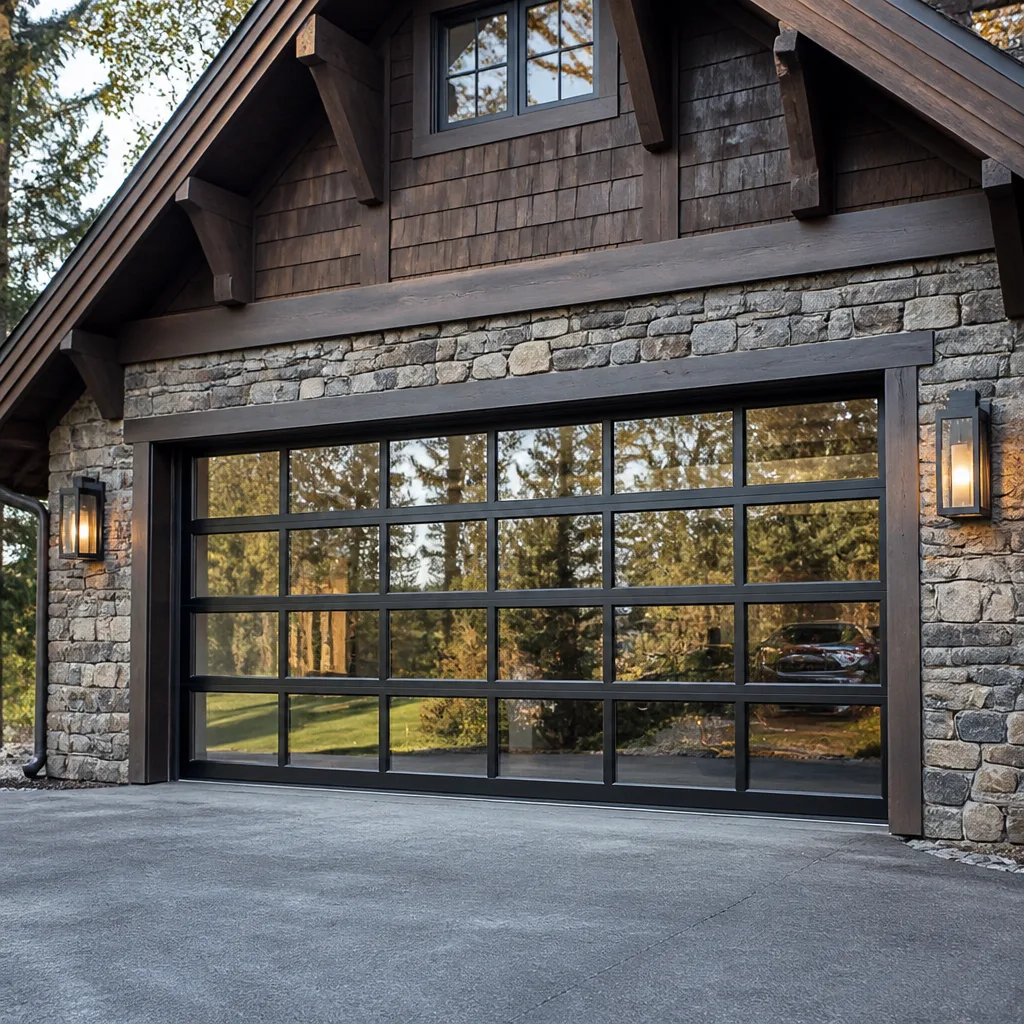 Full-view glass
 LiftMaster openers
 Chamberlain openers
Full 25-point door and opener safety check with every visit - springs, cables, rollers, tracks, and your LiftMaster or Chamberlain opener included
You get a price before we start. It does not change when the pro arrives.
Get your free estimateThe Complete Guide to Garage Doors in Town ‘n’ Country
Most homeowners in Town ‘n’ Country don’t realize their garage door, not their windows, not their roof, is often the largest moving mechanical system on the house, and the one least likely to get a second thought until it fails at 7 a.m. on a workday. A typical two-car door weighs well over a hundred pounds, rides on torsion springs under serious tension, and cycles open and closed thousands of times a year. That mix of weight, moving parts, and daily wear is why garage doors need real attention rather than occasional glances. In this guide we’ll walk through how the local climate treats door hardware, which materials hold up here, what HOAs in Town ‘n’ Country subdivisions expect, how wind ratings work, and when a repair makes sense versus a replacement.
Quick Answer
A garage door in Town ‘n’ Country needs a wind-rated door and hardware that can handle year-round humidity, and most failures come down to springs, cables, or openers rather than the panels themselves. Choosing the right material, confirming your HOA rules, and knowing the brand on your door matter more here than in drier inland counties. When something breaks, a specialist who works on your brand will get it fixed faster than a generalist.
Styles & brands we work with
- Raised-panel steel
- Carriage house
- Modern flush
- Full-view glass
- LiftMaster openers
- Chamberlain openers
Table of Contents
- How Town ‘n’ Country’s Climate Treats Garage Door Hardware
- Which Door Materials Hold Up Best in Town ‘n’ Country
- HOA Rules in Town ‘n’ Country Subdivisions
- The Brands You’ll Find on Town ‘n’ Country Doors
- Wind-Load Ratings and Florida Code
- Springs, Cables, and the Parts That Fail First
- Openers: What to Know Before You Replace One
- A Simple Maintenance Routine
How Town ‘n’ Country’s Climate Treats Garage Door Hardware
Hillsborough County sits in a humid subtropical climate, and that has a direct effect on garage door parts. The coastal humidity that hangs over the Tampa Bay area most of the year pushes moisture into every gap on a door assembly, and metal parts feel it first. Springs, cables, hinges, and rollers that would last years in a dry climate can corrode faster here, especially on doors that face the afternoon sun and sit closed most of the day.
That humidity difference is real compared to inland Florida counties. A door in a drier county to the east may go longer between cable replacements, while a door in Town ‘n’ Country sees more condensation cycles and more oxidation on bare steel. It’s not dramatic, but it adds up over time. The practical takeaway is simple: inspect the moving metal parts more often than a national guide would suggest, and don’t assume a cable that looks fine from the outside is actually fine underneath.
Storm season adds another layer. Summer thunderstorms bring wind-driven rain, and a door that doesn’t seal well lets moisture sit against the bottom section and the track. Over time that leads to rust at the panel seams and a track that’s harder to keep clean. Keeping the bottom seal in good shape and clearing debris from the track after storms pays off.
What to Check After Storm Season
- Cables for fraying or rust spots, especially near the drum
- Hinges and rollers for stiffness or visible corrosion
- The bottom weather seal for cracks or gaps
- The track for debris, dents, or misalignment
- Springs for visible rust or sagging
If any of those look off, a repair visit is cheaper than waiting for a failure. Our garage door repair team can inspect the whole assembly and tell you what actually needs attention.
Which Door Materials Hold Up Best in Town ‘n’ Country
Material choice matters more here than in drier markets because humidity is constant. The three main options for residential doors are steel, aluminum, and fiberglass, and each handles Town ‘n’ Country’s climate differently.
Steel is the most common choice for good reason. It’s strong, affordable, and takes paint or a factory finish well. The catch is that a steel door with a thin finish or untreated edges will rust where moisture collects, usually at the bottom section and around the hinges. A steel door with a proper factory finish and a good bottom seal handles this climate fine. Just expect to touch up any nicks or scratches before they turn into rust.
Aluminum won’t rust the way steel does, which is a real advantage in humid air. It’s lighter, so it puts less strain on springs and the opener. The tradeoff is that aluminum dents more easily and can feel less substantial. For a home where the door takes occasional bumps, that matters.
Fiberglass resists moisture well and won’t corrode at all. It’s often used on doors with a wood-look finish. The downside is that fiberglass can become brittle over time with heavy sun exposure, so the finish and the panel quality matter.
Material Comparison at a Glance
- Steel: strong, affordable, needs finish upkeep in humidity
- Aluminum: rust-resistant and light, but dents easily
- Fiberglass: no corrosion, wood-look options, watch for sun-related aging
If you’re weighing a replacement, a free measure and a written quote will tell you what each option actually costs for your opening. Our garage door installation service walks through material options, hardware, and the wind rating in one visit, so you can compare apples to apples before you commit.
HOA Rules in Town ‘n’ Country Subdivisions
Many Town ‘n’ Country neighborhoods sit inside deed-restricted subdivisions with active HOAs, and garage door appearance is one of the things those associations care about most. A door is large, visible from the street, and shared across every house on the block, so HOAs tend to have rules about color, style, panel design, and sometimes window placement.
The mistake homeowners make is shopping for a door before they read the rules. If your HOA requires a specific color palette or limits you to certain styles, choosing a door first and asking for approval second usually means starting over. Before you pick anything, do these things:
- Request the current architectural guidelines from your HOA or management company in writing.
- Confirm whether the door color must match an approved palette or the original door color.
- Check whether window inserts, carriage-style hardware, or panel designs are restricted.
- Ask what the approval process looks like and how long it takes.
- Keep your written approval on file before you order.
Some HOAs also address noise, opener type, or whether the door can be left open during the day. Those aren’t installation issues in the usual sense, but they’re worth knowing. If your association is strict, bring the guidelines with you to the estimate and we’ll help you find a door that satisfies both the rules and the wind rating requirements.
The Brands You’ll Find on Town ‘n’ Country Doors
Walk any street in Town ‘n’ Country and you’ll see the same few names over and over on garage doors and openers. Clopay and Amarr are two of the most common residential door manufacturers you’ll find on homes here, and Wayne Dalton shows up often too, especially on newer builds and on carriage-style doors. On the opener side, brands like Genie, LiftMaster, and Chamberlain dominate. Knowing what you have matters because parts, remotes, and replacement panels are easier to source for the brands that are everywhere locally.
This is where a lot of homeowners get frustrated. A generalist contractor may turn down a job simply because it’s a brand they don’t stock or don’t know. That’s a bad reason to be stuck. We’re set up to work on eight of the most common garage door and opener brands, including LiftMaster, Chamberlain, Genie, Clopay, Amarr, Wayne Dalton, Craftsman, and Raynor. Practically, that means if your door carries one of those names, there’s no runaround and no “we don’t work on that.”
Parts availability is a real factor. Common brands have common parts, and that means faster repairs. If your door is an off-brand or older model, the technician may need to measure components and order them, which adds time but rarely stops the job. Snap a photo of the label on your opener and the sticker on your door before you call. It saves a trip and gets you a straighter estimate.
Opener problems, in particular, are usually brand-specific. Board failures, gear wear, and remote recalibration all depend on the model. Our garage door opener repair service handles the major brands directly, so a dead opener doesn’t mean you’re shopping for a whole new system.
Wind-Load Ratings and Florida Code
Garage doors in Florida need wind-load ratings because the door is typically the largest opening in the wall. A door that fails in high wind lets pressure into the house, and that’s a bigger event than a damaged panel. Current Florida code addresses the wind-resistance of exterior products including garage doors, and your local building department can tell you what your specific address requires.
Not every door meets the current requirement. If your door was installed years ago, it may have been built to an older standard. That doesn’t automatically mean you must replace it, but it’s worth knowing what you have. Here’s how to check:
- Look for a wind-load label on the inside of the door, usually on the top section or near the hinge plate.
- Check your home’s permit records for the original installation.
- Call your city or county building department and ask what wind rating your address requires under current code.
- If you’re replacing the door, confirm the new one carries a rating that meets the requirement for your opening size.
- Keep the documentation with your home records.
Reinforcement hardware matters too. The door panel rating and the reinforcement or strut behind it work together, so a rated door installed without the right reinforcement doesn’t deliver the rated performance. Ask the installer to confirm both. If you’re unsure what you have, our Town ‘n’ Country Garage Door Repair Pros team can check the label and hardware and point you to the right next step.
Springs, Cables, and the Parts That Fail First
If a garage door stops working, the cause is almost always in the mechanical assembly, not the panels. Springs and cables carry the weight of the door, and they fail at predictable rates. Torsion springs, the coiled springs above the door, take the most load and usually fail first. Cables fray and rust, rollers wear, and hinges loosen.
Spring replacement is the job we get called for more than any other, and it’s one of the few jobs on a home where improvisation can cause serious injury. A torsion spring holds enormous stored energy. Prying at one without the right winding bars and training can take a finger or worse. We don’t recommend handling springs yourself, and we say that as a matter of safety, not a sales pitch. A trained technician treats the spring as the dangerous component it is.
Simple Troubleshooting Before You Call
- Door won’t move at all: check the opener’s power and the release cord first.
- Door goes up a few feet and stops: usually a tension or spring problem.
- Loud bang from the garage: often a spring breaking.
- Door is crooked or one side lags: cable, roller, or track issue.
- Opener runs but the door stays put: often a broken spring or a disengaged carriage.
If what you’re seeing is spring or cable related, don’t keep cycling the door. Every cycle puts more strain on a compromised part and can turn a spring replacement into cable, track, and panel damage. Our dedicated spring repair service handles the fix safely and gets the door working again.
If the door is completely stuck, off the track, or won’t close at all and you’re worried about security, our emergency garage door service exists for exactly that. When the door won’t move, we move fast.
Openers: What to Know Before You Replace One
Openers fail in their own way. A board that stops responding, worn gears that grind, a motor that hums but won’t lift, and remotes that lose their pairing are the usual suspects. A good technician tests the door first, because a struggling opener is often fighting a door that needs adjusting. Replacing the opener without fixing the door just wears out the new opener faster.
When the opener itself is the problem, brand and model matter. Genie, LiftMaster, and Chamberlain openers are all common in Town ‘n’ Country homes, and each has its own parts and pairing process. The belt, chain, or screw drive changes the noise level, and if your garage sits under or next to a bedroom, belt-drive models are typically the quieter option. If you have a smart-home setup, confirm the opener supports it before you buy.
What to Expect From an Opener Repair Visit
- Test the door balance and travel by hand.
- Inspect the springs, cables, and rollers to rule out door-side causes.
- Test the opener’s power, control board, and safety sensors.
- Report what’s failing and quote the repair before any work begins.
- Only recommend a replacement if the unit can’t be reasonably repaired.
The price is quoted and agreed before any work starts, so there’s no surprise on the invoice. If you’re comparing a repair to a full replacement, ask for both numbers in writing.
A Simple Maintenance Routine
Ten minutes a couple of times a year goes a long way on a humid-climate garage door. The routine is simple:
- Test the door balance by hand with the opener disengaged.
- Test the safety sensors by blocking the beam and confirming the door reverses.
- Look for rust, fraying, or stiffness on cables, hinges, and rollers.
- Clean the tracks and check for dents or debris.
- Lubricate moving parts with a garage-door-appropriate lubricant, not household oil or grease that attracts dirt.
- Check the bottom seal and replace it if it’s cracked or gapped.
If you’d rather have a technician go through the whole system, a repair visit can cover it. Town ‘n’ Country Garage Door Repair Pros offers free estimates in Town ‘n’ Country, and our technicians have up to 14 years of experience across the major brands.
Common Mistakes to Avoid
- Shopping for a door before reading the HOA rules. Buy-to-fit-your-HOA, not buy-then-approve, saves you a return and a delay.
- Skipping the wind rating check. A door installed without the right wind-load rating for its opening may not meet current code, so confirm before you buy.
- Prying at a torsion spring. Springs store enormous energy. This is a trained-technician job, period.
- Replacing an opener without checking the door. A sticking door wears out openers. Fix the door first.
- Ignoring rust on cables and hinges. In humid Hillsborough County air, small rust spots turn into cable failures faster than most homeowners expect.
- Greasing the track. Tracks should stay clean, not lubricated. Grease traps grit and gum up the rollers.
- Calling a generalist for a brand-specific issue. A tech who doesn’t know your opener or door brand may turn down the job or take longer to source parts.
See the difference
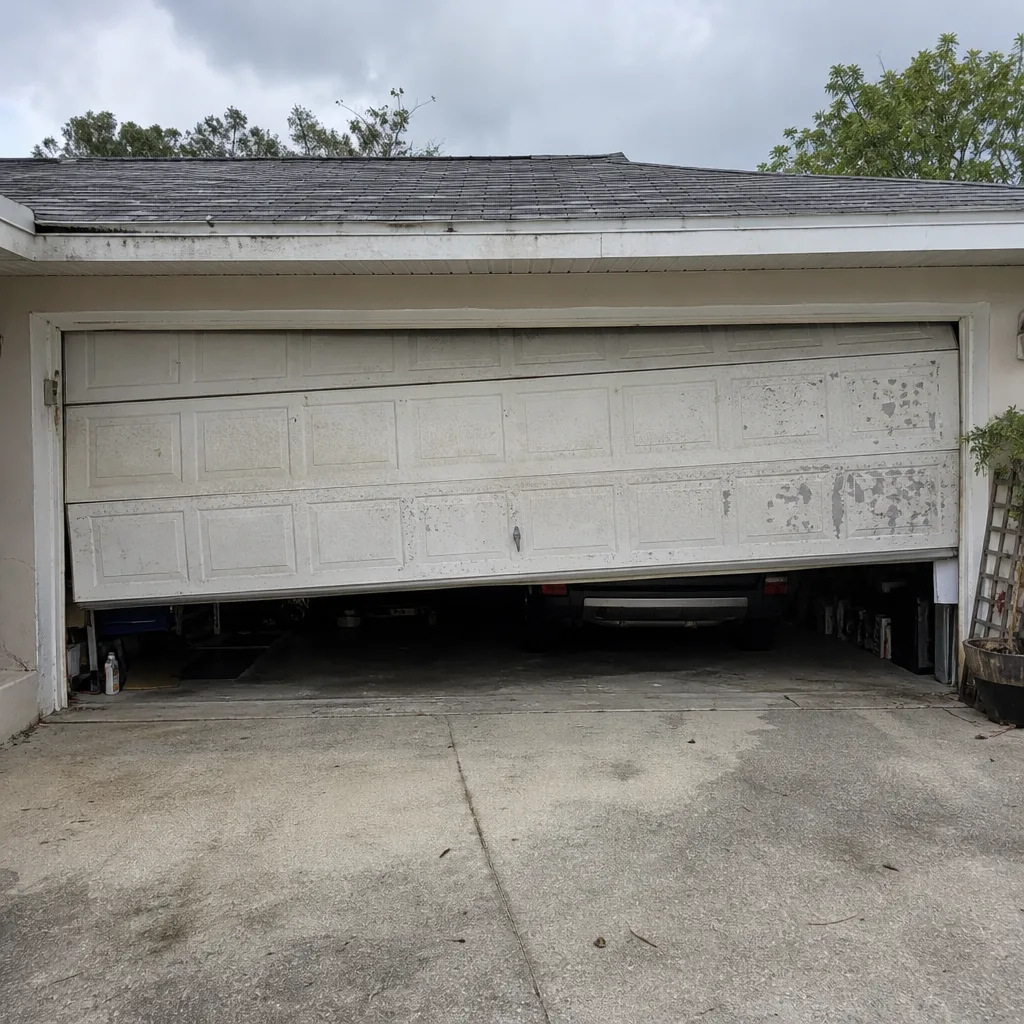 Before
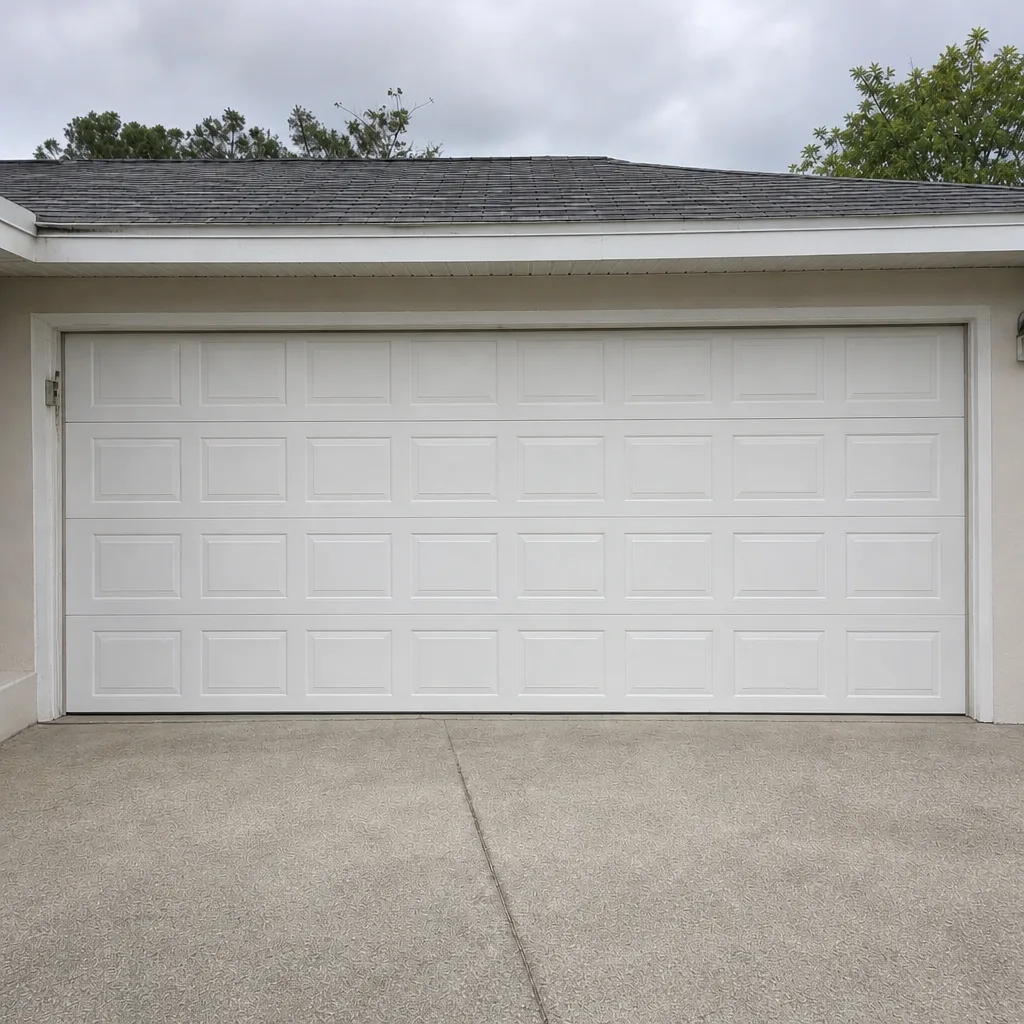 After
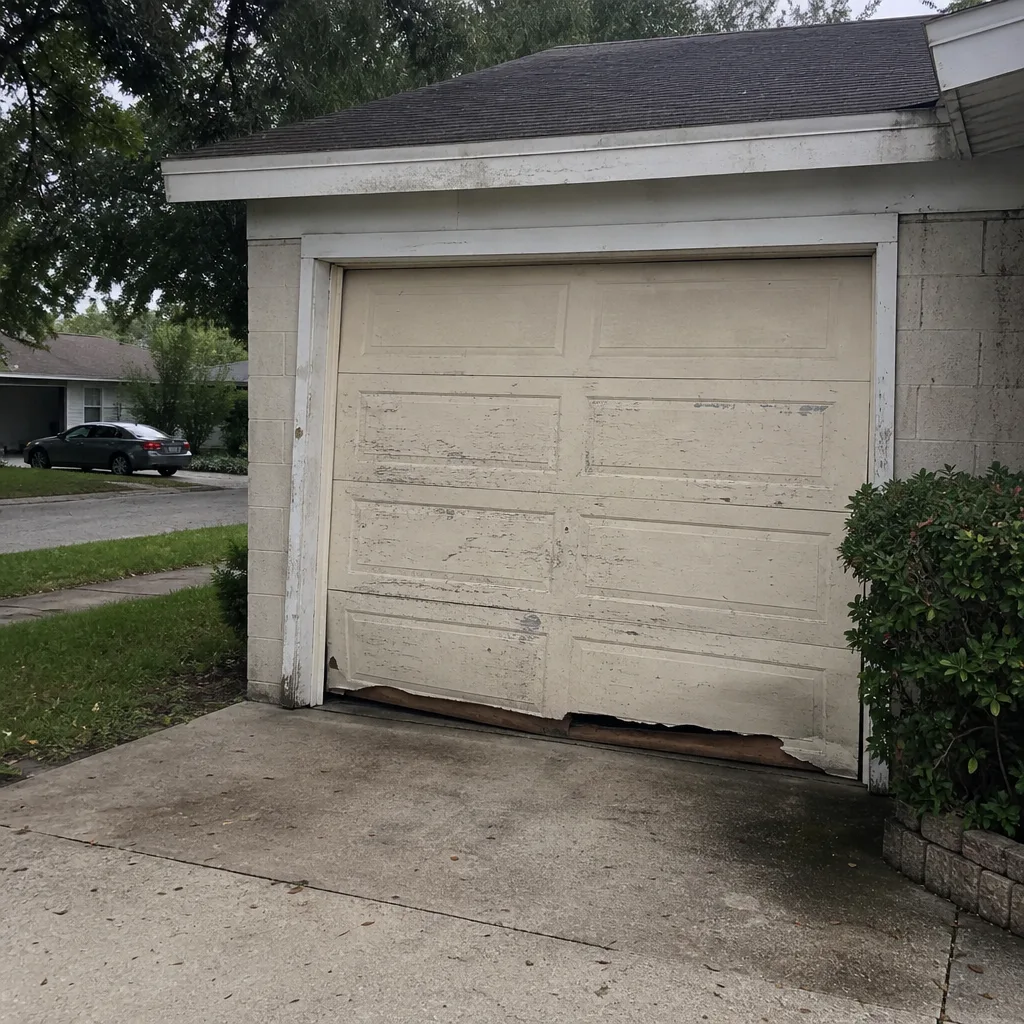 Before
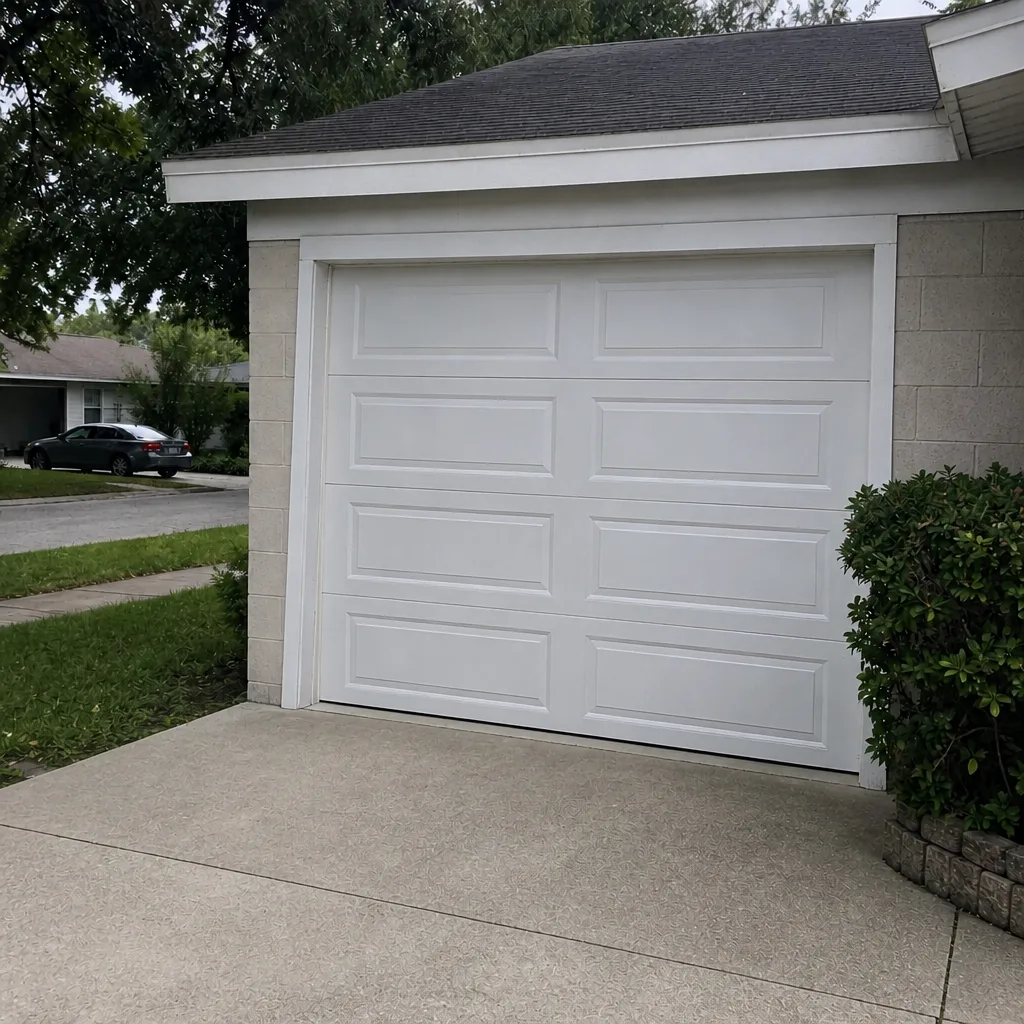 After
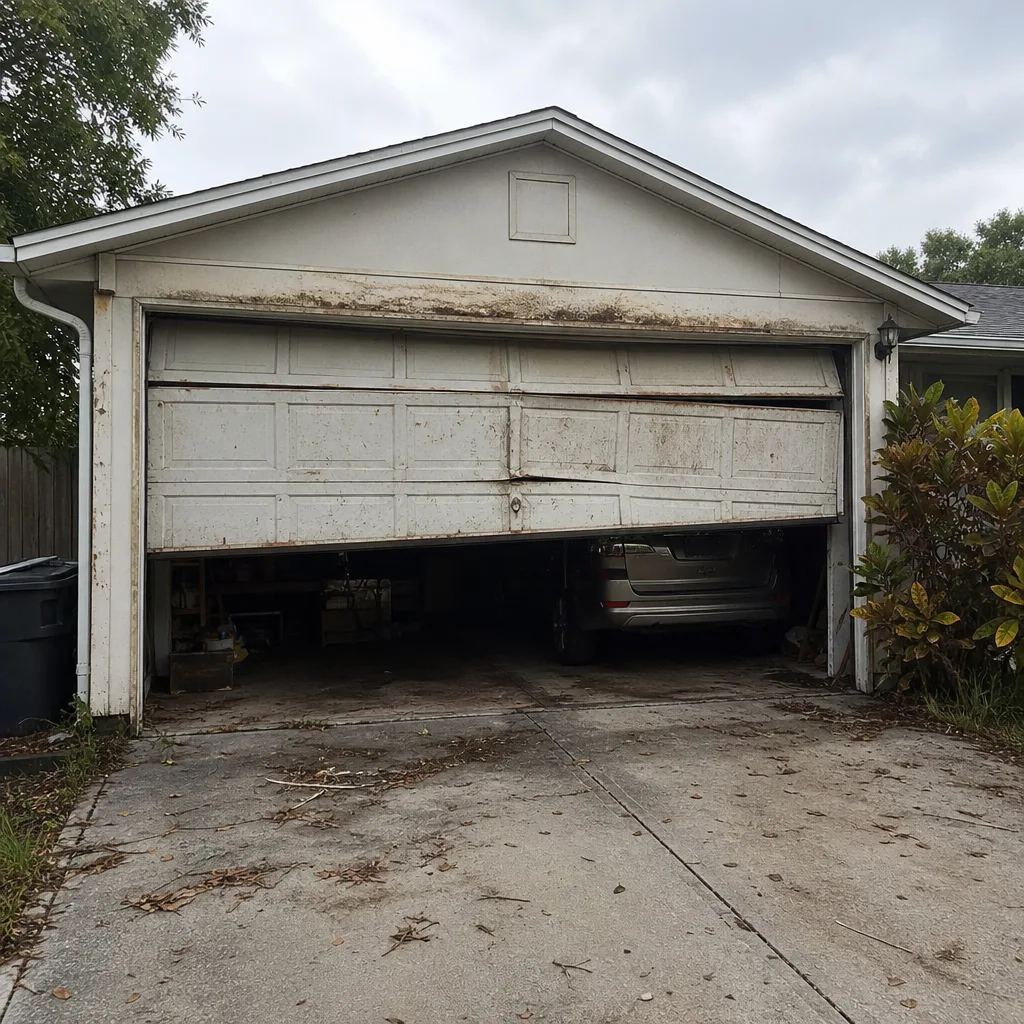 Before
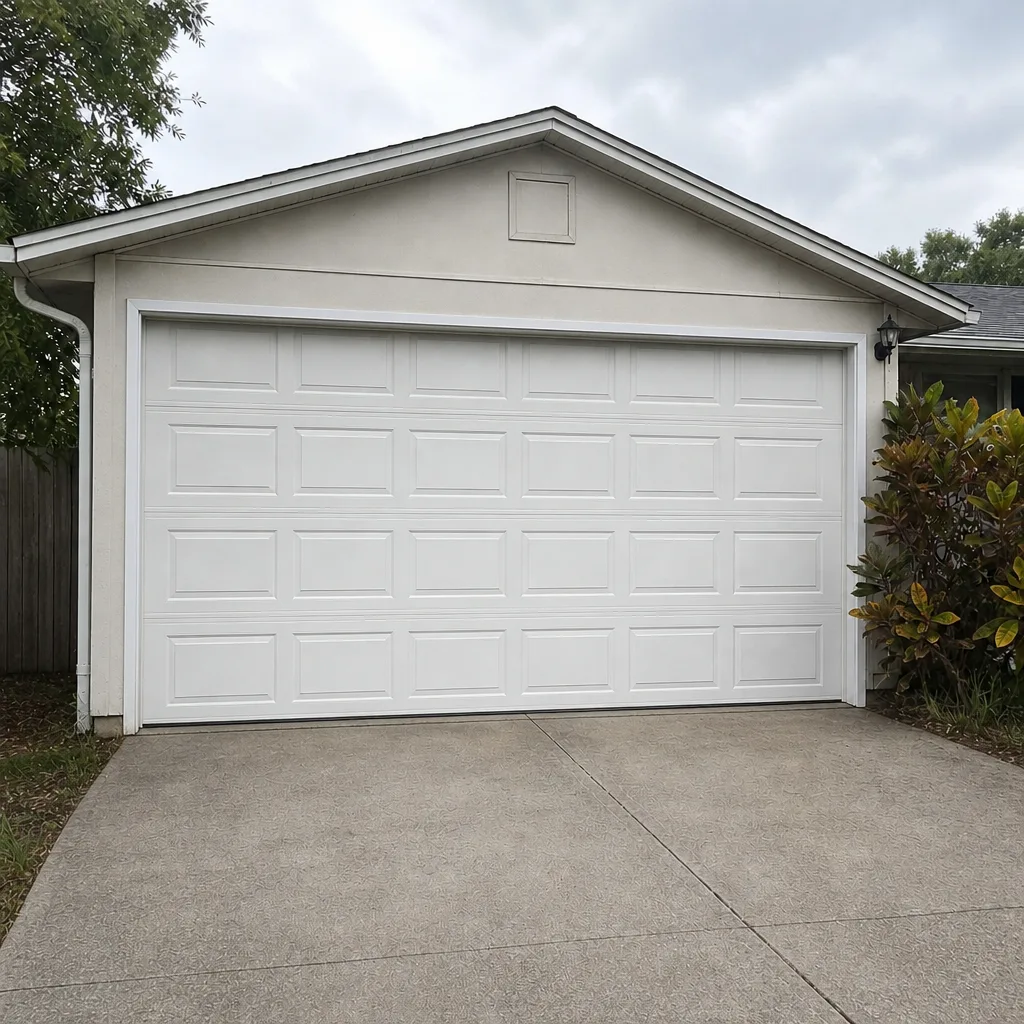 After
When to Call a Professional
Call a professional when a spring breaks, when the door comes off its track, when a cable frays or snaps, or when the door won’t close and you can’t secure the house. Call if the opener hums without moving the door, if the door reverses for no reason, or if it’s suddenly much harder to lift by hand. Call if you see rust eating into the cables, or if the door has never been assessed for its wind rating. These aren’t jobs to test on a Saturday afternoon with a ladder and a guess. Town ‘n’ Country Garage Door Repair Pros offers free estimates in Town ‘n’ Country and covers repair, opener repair, spring repair, installation, and emergencies under one company. Call (833) 987-0462 and we’ll get a technician out to look at it.
Frequently Asked Questions
Spring replacement is quoted per spring, and a matched pair is usually replaced together, so a pair runs roughly twice a single spring’s estimate. The exact figure depends on the spring size, the door’s weight, and whether the cables or drums also need attention. Call (833) 987-0462 for an exact quote; estimates are free, and the price is agreed before any work starts.
Emergency service is a core offering, so call and we’ll do what we can to get a technician out quickly. A door that won’t close is a security issue, so don’t leave it open. Call (833) 987-0462 and we’ll get you scheduled.
The written estimate sets the price. If we find an additional problem during the visit, we’ll explain it and give you a revised quote before doing any extra work, so there’s no surprise on the invoice. Call (833) 987-0462 to book an estimate.
Our technicians are experienced and the local professionals we connect you with are licensed and insured as Florida requires. The brands we work on include LiftMaster, Chamberlain, Genie, Clopay, Amarr, Wayne Dalton, Craftsman, and Raynor. Call (833) 987-0462 with questions.
We work on eight of the most common garage door and opener brands, including the ones most homes in Town ‘n’ Country already have: LiftMaster, Chamberlain, Genie, Clopay, Amarr, Wayne Dalton, Craftsman, and Raynor. If you’re not sure what you have, snap a photo of the label on your opener before you call.
Yes. Current Florida code addresses wind-resistance for exterior products, and garage doors are part of that. Check the wind-load label inside your door or call your local building department to confirm what your address requires.
The Bottom Line
A garage door in Town ‘n’ Country needs more than an occasional glance. The humid climate here is harder on springs, cables, and hinges than inland counties, so schedule inspections and don’t ignore rust. Choose a material that fits your climate and your HOA rules, not the other way around. Confirm the wind-load rating on your door and its reinforcement before you buy or replace. Know the brand on your door and opener, because parts and repairs go smoother when the technician works on that brand every week. And when a spring snaps or the door comes off the track, call a professional rather than improvising. Town ‘n’ Country Garage Door Repair Pros handles repair, opener repair, spring repair, installation, and emergencies under one company. Call (833) 987-0462 for a free estimate.
Written by the team at Town ‘n’ Country Garage Door Repair Pros.