Last updated November 23, 2026
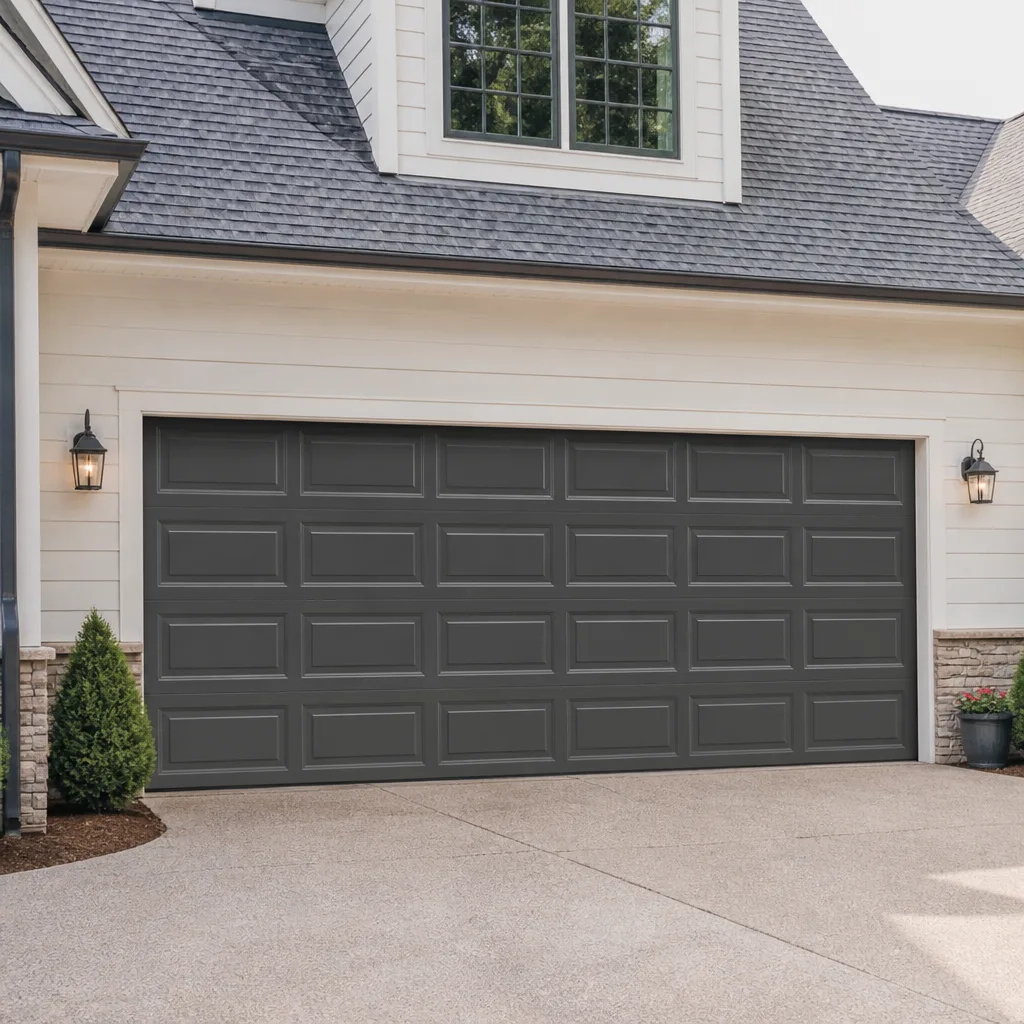 Raised-panel steel
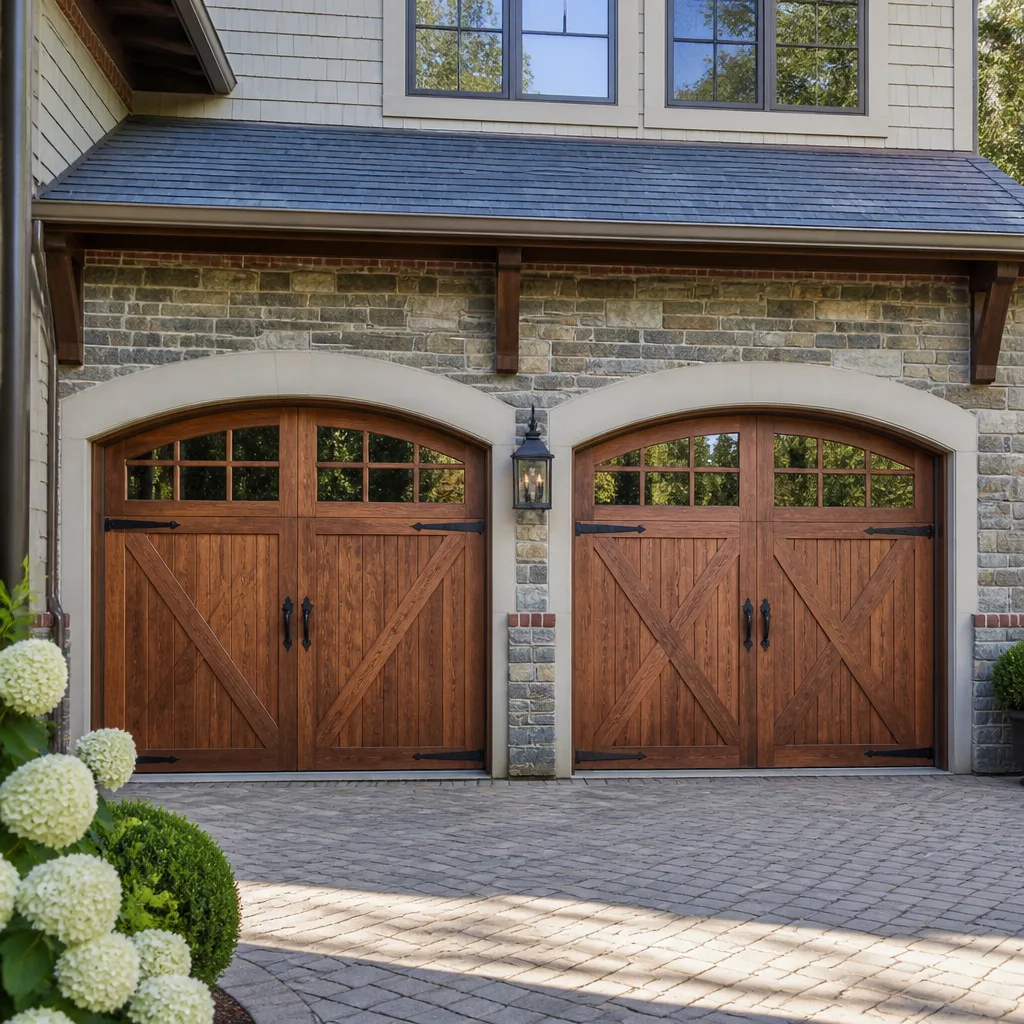 Carriage house
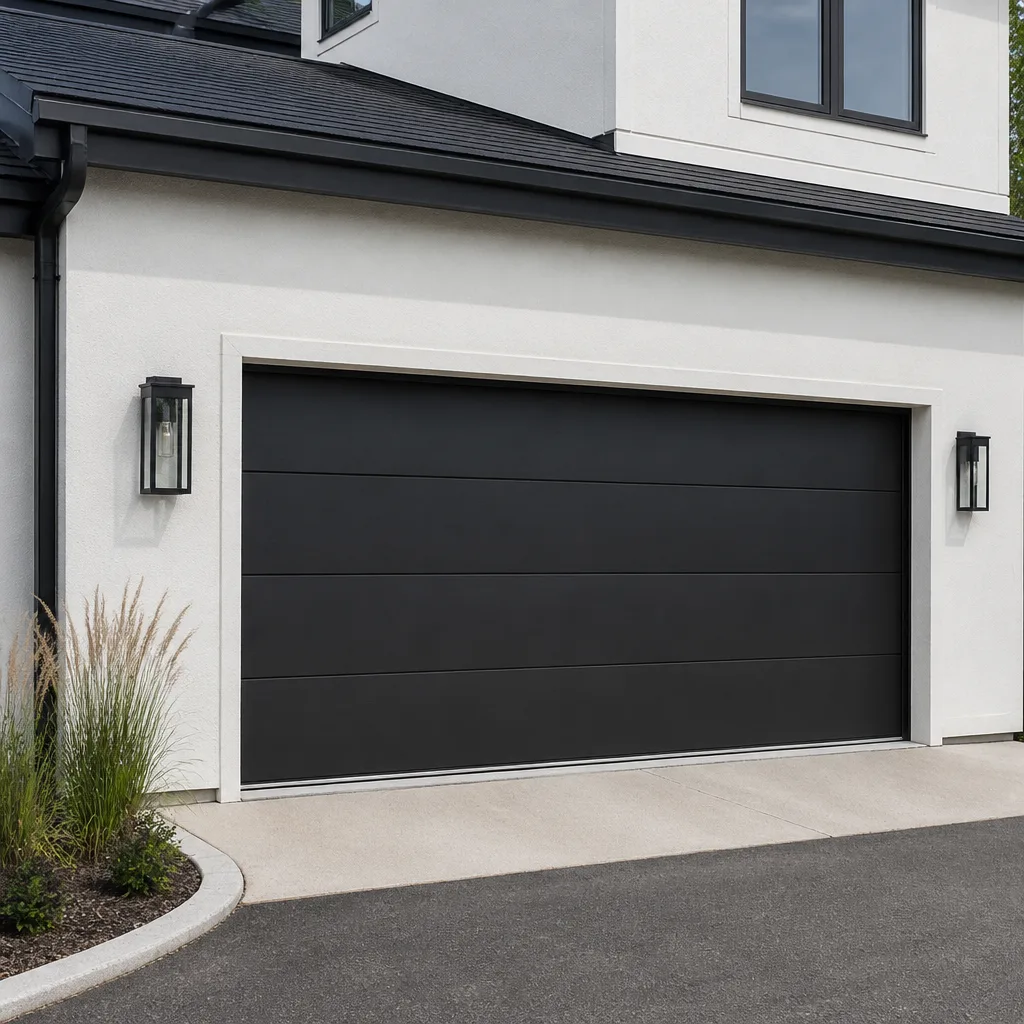 Modern flush
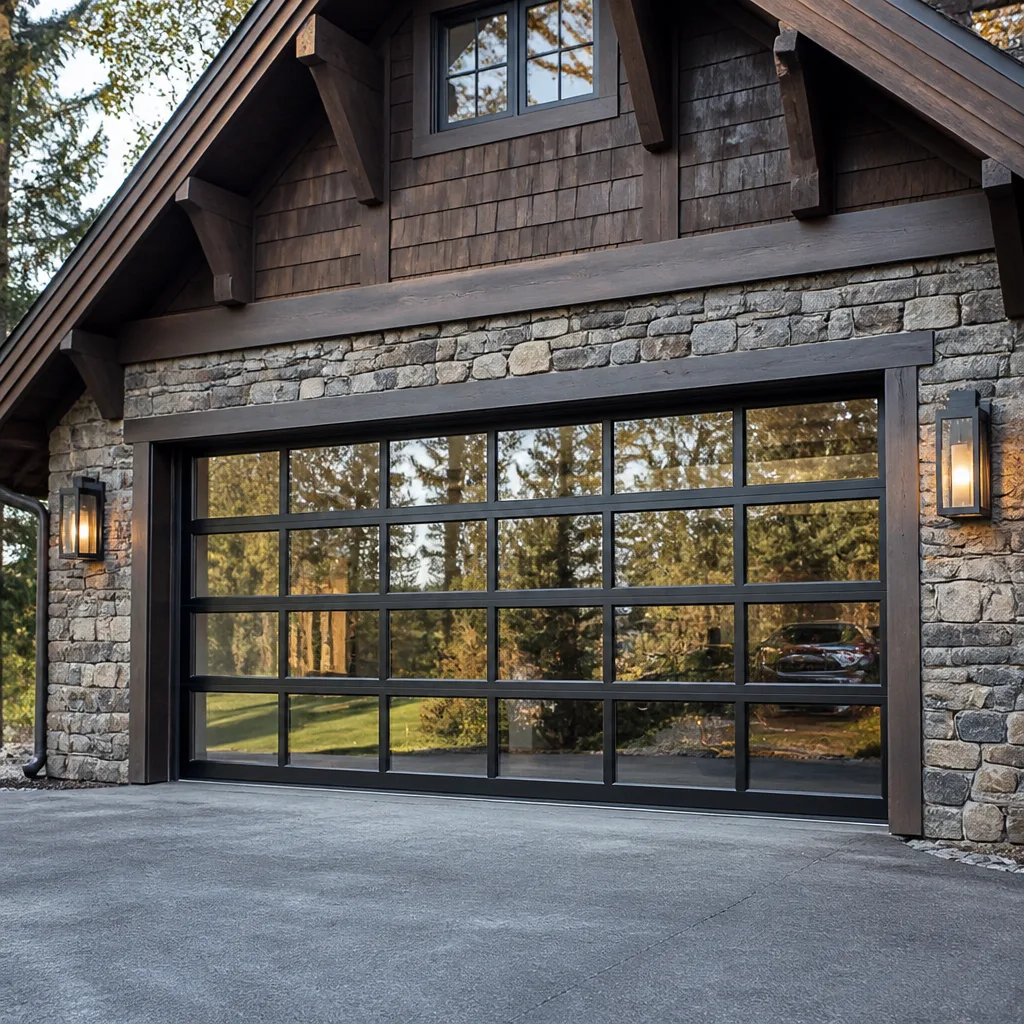 Full-view glass
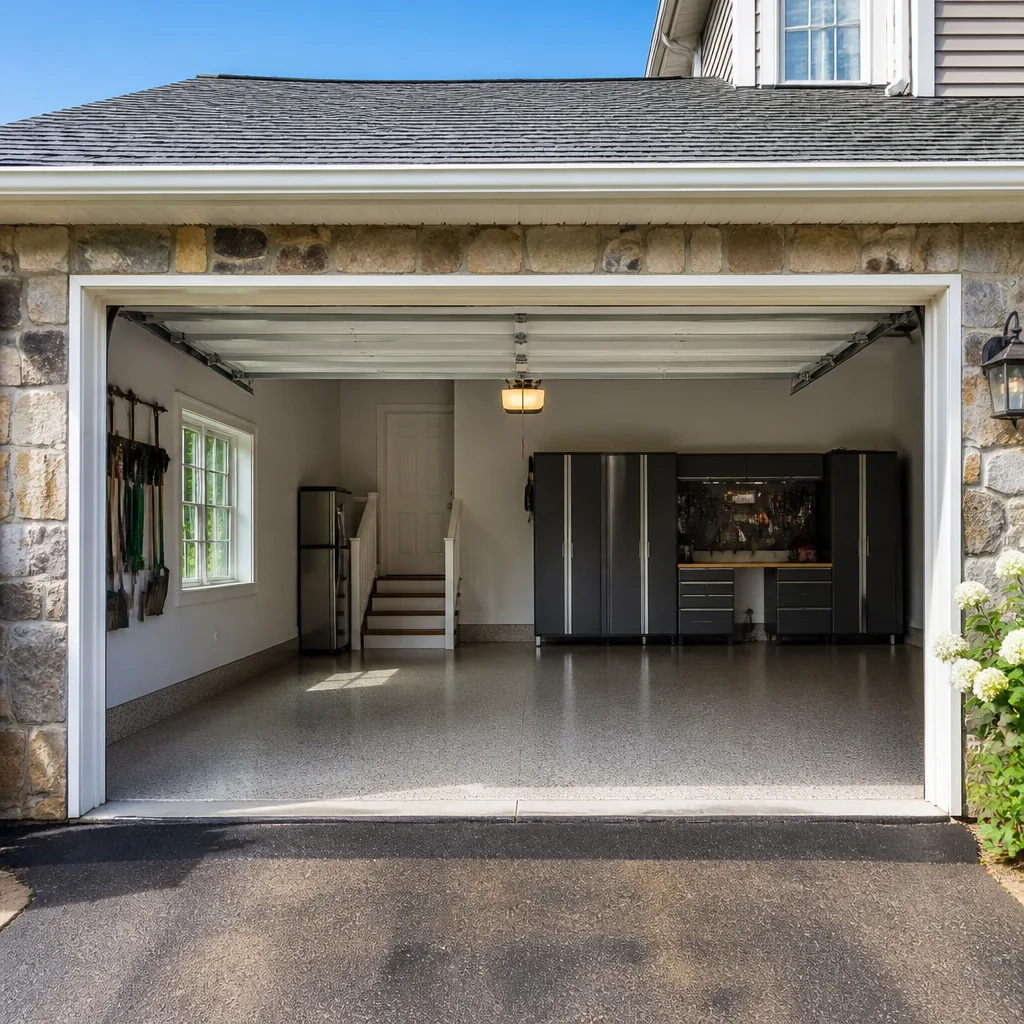 LiftMaster openers
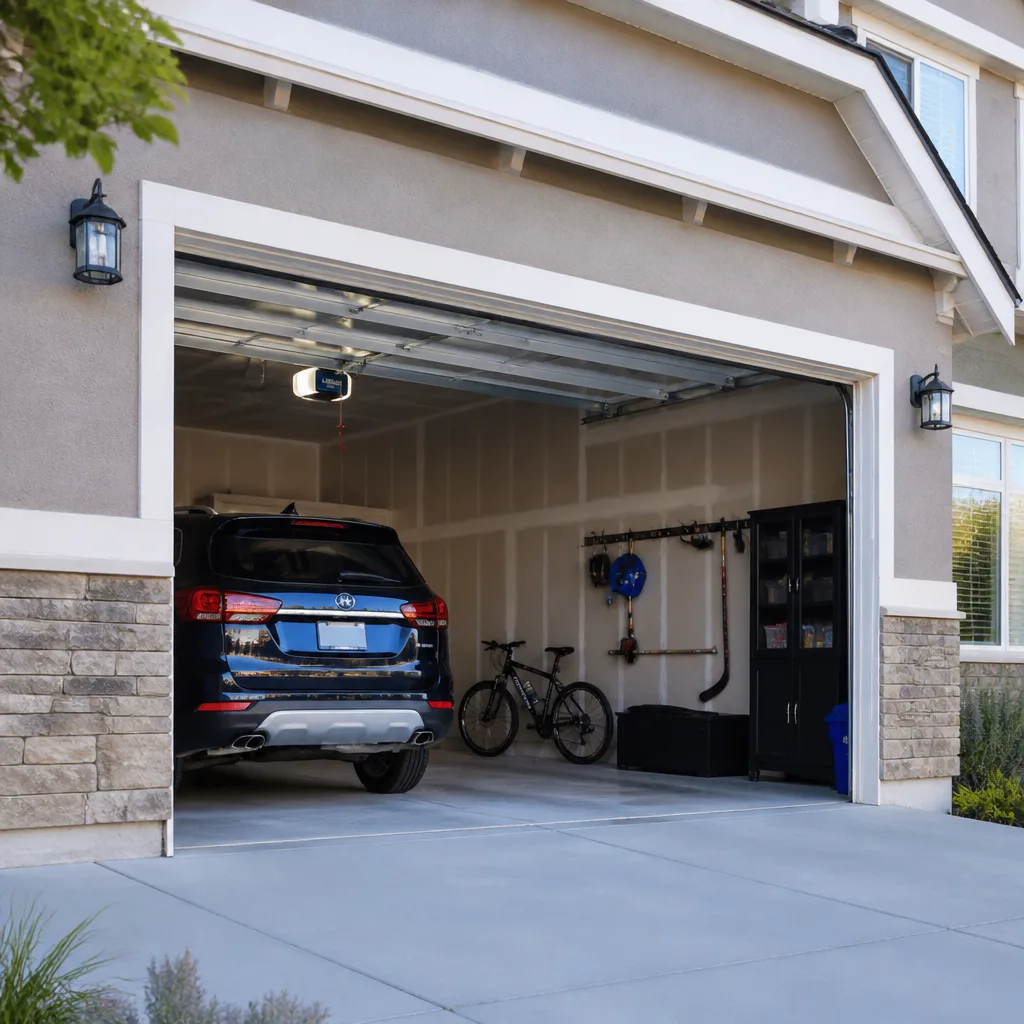 Chamberlain openers
Full 25-point door and opener safety check with every visit - springs, cables, rollers, tracks, and your LiftMaster or Chamberlain opener included
You get a price before we start. It does not change when the pro arrives.
Get your free estimateDIY vs Professional Garage Door: The Town ‘n’ Country Homeowner’s Decision Guide
Torsion springs carry a lot of stored force, and that’s exactly why the internet is full of garage door tutorials that look easier than they are. The missing piece in most of those videos is the part where a homeowner in Town ‘n’ Country discovers the spring is a different type than the one on screen, or that the door needs a permit and a wind-load rating before it can pass an inspection. This guide isn’t a lecture about self-reliance. It’s a task-by-task breakdown of what’s actually safe to handle yourself, what genuinely isn’t, and what each choice really costs once you account for parts, tools, permits, and risk. By the end you’ll know where the line sits for your specific door.
Styles & brands we work with
- Raised-panel steel
- Carriage house
- Modern flush
- Full-view glass
- LiftMaster openers
- Chamberlain openers
Quick Answer
Lubrication, sensor alignment, track cleaning, and replacing a remote or battery are safe DIY jobs. Torsion spring replacement, cable work, and full door installation are not: springs and cables store dangerous stored energy, and a Florida installation that misses wind-load requirements can fail a home inspection or cause an insurance problem later. Everything in between depends on your door’s specific system, which is why identifying it first matters more than any tutorial.
Table of Contents
- Which Garage Door Tasks Are Safe to DIY in Town ‘n’ Country?
- Why Spring and Cable Work Is Different From Every Other Repair
- How to Tell If a Repair Video Applies to Your Door
- The Florida Wind-Load Factor in DIY Installations
- DIY vs Professional: An Honest Cost Comparison
- The Two Jobs Where Hiring a Pro Is Actually Cheaper
- What an Inspector Sees That You Might Miss
- Common Mistakes to Avoid
- When to Call a Professional
- Frequently Asked Questions
- The Bottom Line
Which Garage Door Tasks Are Safe to DIY in Town ‘n’ Country?
The simplest way to sort garage door jobs is by what could go wrong if you get it wrong. Lubrication, sensor alignment, and remote pairing are low-risk, reversible, and use tools most homeowners already own. The opposite end of the scale includes anything involving a spring, a cable, or a new door installation, where a mistake can injure you, damage the door, or leave the system unable to meet local code. Town ‘n’ Country homes run the full range from compact two-car setups to longer suburban and semi-rural driveways with oversized doors, and the task list is the same either way.
Safe to DIY (with care)
- Lubricating springs, rollers, and hinges. A garage door lubricant on the moving parts reduces noise and wear. Never use it on the tracks themselves.
- Aligning safety sensors. The two small sensors at the base of the door need a clear line of sight. If they’re out of alignment, the door reverses instead of closing. Cleaning the lenses and nudging them back into line fixes most issues.
- Replacing a remote or keypad. Pairing a new remote is a programming job, not a mechanical one.
- Testing the reversal feature. Put a board flat under the door and close it. If the door doesn’t reverse, that’s a job for a technician.
- Tightening visible bolts. If you can see and reach a loose bolt with a standard wrench, snug it up.
Professional only
- Torsion spring replacement. These springs store enormous force. A single wrong move can cause serious injury.
- Extension spring replacement. Safer than torsion but still under enough tension to cause harm if you’re not trained.
- Cable work of any kind. Cables are under tension and can whip free if the load isn’t managed correctly.
- Replacing rollers under load. The bottom rollers can’t be safely freed while the door is holding tension.
- Full door installation or panel replacement. Panels are heavy, alignment is precise, and in Florida the installation must meet wind-load code.
If the task involves releasing tension, lifting a panel, or touching anything attached to a spring or cable, it belongs on the professional list. Everything else is fair game for a homeowner who’s paying attention. When in doubt, give us a call at (833) 987-0462 and describe what you’re seeing; a short conversation will tell you whether it’s a bathroom-scale job or a call-back job.
Why Spring and Cable Work Is Different From Every Other Repair
A garage door doesn’t work the way most people assume. The opener isn’t lifting the full weight of the door. The springs are. Whether you have torsion springs (the coiled ones above the door) or extension springs (stretched along the horizontal tracks), those springs are counterbalancing a door that weighs far more than it looks. A standard single-car door can weigh well over a hundred pounds, and a double-car door more than double that. When a spring fails, that stored energy has to go somewhere, and it goes fast.
That’s the mechanical reason spring replacement sits in its own category. This isn’t a “watch the video and take it slow” job. Replacing a spring means releasing tension carefully, choosing the correct spring for the door’s weight and height, and re-tensioning the system so the door balances correctly. Get the spring rated for the wrong door and the opener works harder than it should, which shortens its life and can cause premature failure. Get the tension wrong and the door can jump or slam. The two tasks where a trained technician’s judgment matters most are spring tension and cable attachment.
We treat spring repair as a dedicated service for exactly this reason. It’s a mechanical task that deserves a specialist, not a general handyman, and not a homeowner working off a tutorial. In Town ‘n’ Country, where doors get opened multiple times a day and the heat works on the metal and lubricant year-round, springs still age and eventually break. When that moment comes, the safest call is to step away from the door and pick up the phone. A snapped spring is not a small inconvenience you can live with for a few days; it means the door can’t be safely operated, and it’s the kind of thing that can genuinely hurt someone who tries to run it anyway.
The safety caveat is worth spelling out once, plainly. High-tension garage door springs and cables are dangerous. They can cause serious injury or worse if released without the right tools and training. We do not recommend any homeowner attempt spring or cable work, regardless of video quality or how confident you feel. If your door has a broken spring, keep it shut until a trained technician can take a look. That line applies here in Town ‘n’ Country just as it does anywhere else.
How to Tell If a Repair Video Applies to Your Door
Before you take advice from any garage door video, match the door on your screen to the door on the video. The two systems use different parts and different procedures. Applying a torsion spring tutorial to an extension spring door, or vice versa, is one of the most common ways homeowners get into trouble. The good news is that identifying your system takes about a minute.
- Look above the door. If you see a horizontal shaft with coiled springs wound around it, you have torsion springs. They’re mounted on a metal tube running parallel to the door opening.
- Look along the tracks. If you see springs stretched alongside the horizontal tracks, running through cables toward the back, you have extension springs. Some doors have them on both sides.
- Check the door style. If your door swings out as one solid piece with no horizontal seams, it’s a one-piece door. If it has multiple horizontal panels that fold as it rises, it’s a sectional door. Almost all modern doors in Town ‘n’ Country are sectional, but older homes sometimes have one-piece doors where the repair procedures differ.
- Read the label on the door or opener. The manufacturer name is often printed on the door’s inner panels or the opener’s housing. Common brands in this area include Clopay, Amarr, and Wayne Dalton. Knowing the brand helps match a tutorial to your hardware.
- Match the opener type. Belt-drive, chain-drive, and screw-drive openers have different replacement parts and different troubleshooting steps. A video for a chain-drive unit won’t help with a belt-drive one.
If you can’t tell what you have, or if two videos contradict each other, that’s the moment to stop guessing. Our team is set up to work on eight of the most common garage door and opener brands, including Clopay, Amarr, Wayne Dalton, LiftMaster, Chamberlain, Genie, Craftsman, and Raynor. We work on the brand you already have, so you don’t have to spend an afternoon hunting down the one video that matches your exact setup.
The Florida Wind-Load Factor in DIY Installations
Florida garages get more scrutiny than most homeowners expect, because garage doors are the largest opening on the exterior wall and a weak one can compromise the whole structure during a windstorm. A garage door installation that doesn’t meet wind-load code is a problem that may not show up for years, and it usually surfaces at the worst possible moment: a home inspection during a sale, or an insurance claim after a storm.
The reason this matters for the DIY decision is that a homeowner installing a door on their own has to meet the same requirements a licensed installer does. Local building departments set those requirements, and the rules vary by county and even by neighborhood. If you’re considering a DIY installation, the first call isn’t to a hardware store. It’s to your city or county building department, where you can ask whether a permit is required for a garage door replacement on your address and what documentation the installation needs. Those answers will tell you whether the job is realistic to do yourself and what an inspector will look for.
A door that fails inspection at the point of sale is an unwelcome surprise, and it usually costs more to fix than the original install. The same goes for a door that doesn’t match the wind-load rating your insurer expects. Neither is a crisis you want to discover under deadline. For a new installation in Town ‘n’ Country, we recommend a professional install rather than a DIY attempt, because the paper trail matters as much as the hardware. You can see how that process typically works on our garage door installation page.
One practical note: some brands, Clopay and Amarr among them, publish installation specifications and often tie warranty coverage to proper installation. A DIY install that deviates from the spec can leave you without recourse if a panel fails or the door doesn’t hold up. Ask before you buy, and if the warranty is conditional, factor that into your decision.
DIY vs Professional: An Honest Cost Comparison
Cost comparisons get dishonest in both directions. Videos make DIY look free, and some contractors make professional work look expensive. The honest version sits in the middle and depends on the task. Here’s the framework we’d use if we were sorting this out for our own homes.
Where DIY genuinely saves money
- Lubrication. A can of garage door lubricant costs a few dollars and takes fifteen minutes. No tool is needed beyond a rag, and the same can lasts a long time. Hiring this out rarely makes sense.
- Sensor alignment. Usually free. The sensors just need to be repositioned and the lenses cleaned. If a sensor has failed entirely, a replacement runs roughly $20 to $40 at a home improvement store and takes a few minutes to swap.
- Remote replacement. A universal or manufacturer-specific remote costs roughly $25 to $50 and pairing it is a programming task. No lifting.
- Minor cleaning. Grease buildup on the tracks from lubricant overspray, dust on the safety sensors, and cleaning the photo-eye lenses are all routine.
Where DIY costs more than it saves
- Spring replacement. A torsion spring itself runs roughly $40 to $80 online, but the correct spring has to match the door’s weight, which most homeowners can’t verify without experience. If the wrong spring is installed, the opener wears faster and the door may need a re-tension visit anyway. Add up the tools (a winding bar set, a proper ladder), the risk of a second call, and the very real chance of an injury, and the savings disappear quickly.
- Cable replacement. Similar story: cheap parts, high risk, and the door often needs re-tensioning afterward.
- Opener replacement. A new opener runs roughly $150 to $350 for the unit alone, plus wiring and mounting. Installation mistakes can leave the door unsafe, and a professional opener install includes travel-limit and force adjustments that many DIYers skip.
- Full door replacement. The door, tracks, and hardware together run a significant sum, plus permit costs and the risk of failing inspection. A failed inspection is the hidden cost that makes the DIY math fall apart.
Pricing in Town ‘n’ Country reflects the mix of older homes and newer builds in this area, the age of the existing hardware, and whether the door needs to be matched to a specific wind-load requirement. We don’t publish a price list because no two doors are the same, but we do quote every job upfront, in writing, before any work starts. That quote is the price. If something changes once we’re on site, we tell you before we do it and get your approval. Call (833) 987-0462 for a free estimate.
The Two Jobs Where Hiring a Pro Is Actually Cheaper
Once you account for parts, tools, permits, and time honestly, two garage door jobs almost always cost less with a professional. We’re not saying this to nudge you toward a call; we’re saying it because the math is genuinely lopsided once you include everything a DIY attempt involves.
1. Torsion spring replacement
On paper, a torsion spring looks like a $50 part. In practice, a correct replacement requires the right spring (measured by wire gauge, interior diameter, and length), specialty winding bars, a solid ladder, and the experience to tension the door without hurting yourself. The tools alone can run $40 to $80, and the door will likely need a second visit if the spring weight is off. The real risk, though, is physical. Springs hold too much force for a first-time attempt. If a professional does the job, you get the correct spring matched to the door, correct tension, and a warranty conversation you can have with the installer. If the spring breaks again, the work is on them, not you.
2. Opener replacement
A new opener install involves mounting the unit, connecting it to the door’s travel, and calibrating the force and safety-reverse settings. That last part is the one homeowners most often skip, and it directly affects whether the door reverses on a child or a bicycle. A brand-compatible opener (we work on LiftMaster, Chamberlain, Genie, Craftsman, Raynor, and others) also needs correct pairing to the existing wall controls and safety sensors. If any of those steps is missed, the door can behave unpredictably. Professional opener installation includes the calibration, and our garage door opener repair team handles the parts side of that same job.
There’s also the time factor. Both jobs are single-visit work for a trained technician and multi-day projects for a first-time DIYer. If you value your Saturday at all, the hourly math is not close.
What an Inspector Sees That You Might Miss
When a home inspection comes up, the garage door gets more attention than most homeowners expect. Inspectors look at the door’s hardware, the springs, the tracks, the safety reversal, and the door’s rating against the wind-load requirement for the home. A DIY installation that skipped a step may look fine to the eye but fail the paperwork part of the inspection, and that’s the piece most homeowners can’t check themselves.
Here’s what tends to come up during a Town ‘n’ Country inspection:
- Wind-load documentation. Inspectors check that the door’s rated wind-load matches the home’s requirement. If the paperwork is missing or the door doesn’t match, it’s a flag.
- Safety reversal. The door must reverse when it meets resistance. A DIY install that skipped this calibration fails.
- Proper spring tension. A door that requires lift force from the opener, rather than balancing on the spring, gets noted.
- Track alignment. Bent or misaligned tracks from an install are common, and they cause problems that inspectors see as wear patterns.
- Hardware attachment. Loose hinges, missing bolts, and improvised hardware replacements all show up.
Any one of these can delay a sale or create a negotiation point. The fix is usually straightforward, but only if it’s handled by someone who knows what the report is looking for. If you’ve had a garage door repaired or installed and want the work checked before an inspection, our garage door repair team can look at the door and tell you whether it’s likely to pass.
Common Mistakes to Avoid
- Buying a spring without matching it to the door’s weight. Springs are rated for specific door weights. A spring that’s close but not exact shortens the opener’s life and can throw the door’s balance off. Match the spring to the door, never the other way around.
- Watching a video for the wrong door type. Torsion and extension springs use different tools and different procedures. Identify your system before doing anything. A one-piece door needs different advice again.
- Installing a new door without confirming permit requirements. Call your city’s building department first. Florida installations have to meet wind-load code, and the requirements vary by address. Skipping this is the most expensive mistake on the list.
- Lubricating the tracks. Garage door tracks should be clean, not greasy. Lubricant on the tracks attracts dirt and causes the rollers to slip. Lubricate the rollers, hinges, and springs, not the tracks.
- Ignoring a slow-reversing or grinding door. Strange noises or a door that hesitates are early warning signs of a spring under too much tension or a worn roller. Addressing them early prevents a bigger failure. In Town ‘n’ Country, where the door runs often through the summer, these signs show up sooner than homeowners expect.
- Forcing a door that won’t move. If the door won’t lift or close, something is under tension and the safest move is to leave it. Trying to force it can bend the tracks or cause an injury.
- Assuming every brand’s repair is the same. Clopay, Wayne Dalton, and Amarr doors have different mounting patterns and panel construction. A generic tutorial may not apply to your hardware. Check the brand before you start.
When to Call a Professional
Call a trained technician when the door involves a broken spring, a snapped cable, a bent track, or any movement that feels heavier than usual. Those are the jobs where the risk isn’t worth the savings, and where the right tools and judgment make the difference. Call us if the door won’t move at all, if it won’t close, or if it reverses, stops, or makes a noise it didn’t make last week. Call if you’ve just moved into a Town ‘n’ Country home and you don’t know when the door was last serviced. Call if an inspection is coming up and you want the door checked beforehand. And call if you’re on the fence about a repair you’ve seen five different videos for and still can’t sort out. Town ‘n’ Country Garage Door Repair Pros offers free estimates in Town ‘n’ Country. Call (833) 987-0462. Our technicians have up to 14 years of experience and are set up to work on the brand you already have.
Frequently Asked Questions
No. Torsion and extension springs are under enough tension to cause serious injury, and they require tools and training most homeowners don’t have. A correct replacement means matching the spring to the door’s weight, releasing tension safely, and re-tensioning the system. We strongly advise against any homeowner attempting this job. For spring work on a Town ‘n’ Country door, call (833) 987-0462; estimates are free.
It can be done, but only if you meet the local permit and wind-load requirements, and the paperwork has to match. Most homeowners don’t have the tools or the documentation to do that, and a failed inspection at sale time is a real risk. A professional installation includes the specification and the documentation. Call (833) 987-0462 to talk through what your address needs, and we’ll give you a free estimate.
Lubricating springs, rollers, and hinges; aligning the safety sensors; replacing a remote or keypad; tightening visible bolts; and testing the reversal feature are all reasonable DIY tasks. Anything involving a spring, a cable, a panel lift, or an opener installation is not. If a job has you releasing tension or lifting weight, that’s the line. Call (833) 987-0462 when you’re not sure.
Torsion springs are wound around a metal shaft above the door; extension springs stretch along the horizontal tracks on each side. Look above the door first. If you’re still unsure after that, describe it to us and we’ll tell you. The two systems don’t use the same repair procedures, so this matters before you do anything. Call (833) 987-0462 for a free estimate on any repair.
Often yes, at least for the parts involved. Many manufacturers tie warranty coverage to installation or repair by a qualified technician, and some brands, Clopay and Amarr included, publish specifications that a DIY attempt may not follow. Read the warranty before you start, or ask us whether a repair would affect it. Call (833) 987-0462 with the brand and we’ll talk it through.
Yes. Our team is set up for eight of the most common garage door and opener brands, including LiftMaster, Chamberlain, Genie, Clopay, Amarr, Wayne Dalton, Craftsman, and Raynor. If you have the door manual or a label, bring it; if not, we’ll identify it on site. Call (833) 987-0462 to schedule a free estimate.
Most repairs are quoted per job after we see the door. For safe DIY tasks like lubrication and sensor work, DIY saves you the visit because the parts are cheap and the labor is minimal. For spring, cable, opener, and installation work, the professional job usually costs less once you account for correct parts, specialty tools, and the risk of an injury or a second repair. Call (833) 987-0462 for a free estimate; the written quote is what you’ll pay.
The Bottom Line
The DIY versus professional question stops being philosophical once you sort it by task. Lubrication, sensor alignment, and remote replacement belong in your Saturday morning. Springs, cables, and installations belong with a trained technician, because the risk and the code requirements are too high for a first attempt. In Florida, especially, an installation that misses wind-load code can cost you at inspection or insurance time, and that’s a cost no video prepares you for. If you’re in Town ‘n’ Country and you’re not sure which side of the line your repair sits on, call us and describe it. We’ll tell you honestly whether it’s a job for your toolbox or a job for us.
Ready for a free estimate? Call Town ‘n’ Country Garage Door Repair Pros at (833) 987-0462. We work on the brand you already have, our technicians have up to 14 years of experience, and every price is quoted and agreed before any work starts. You can also start at Town ‘n’ Country Garage Door Repair Pros to see the full range of services.
Written by the team at Town ‘n’ Country Garage Door Repair Pros.
See the difference
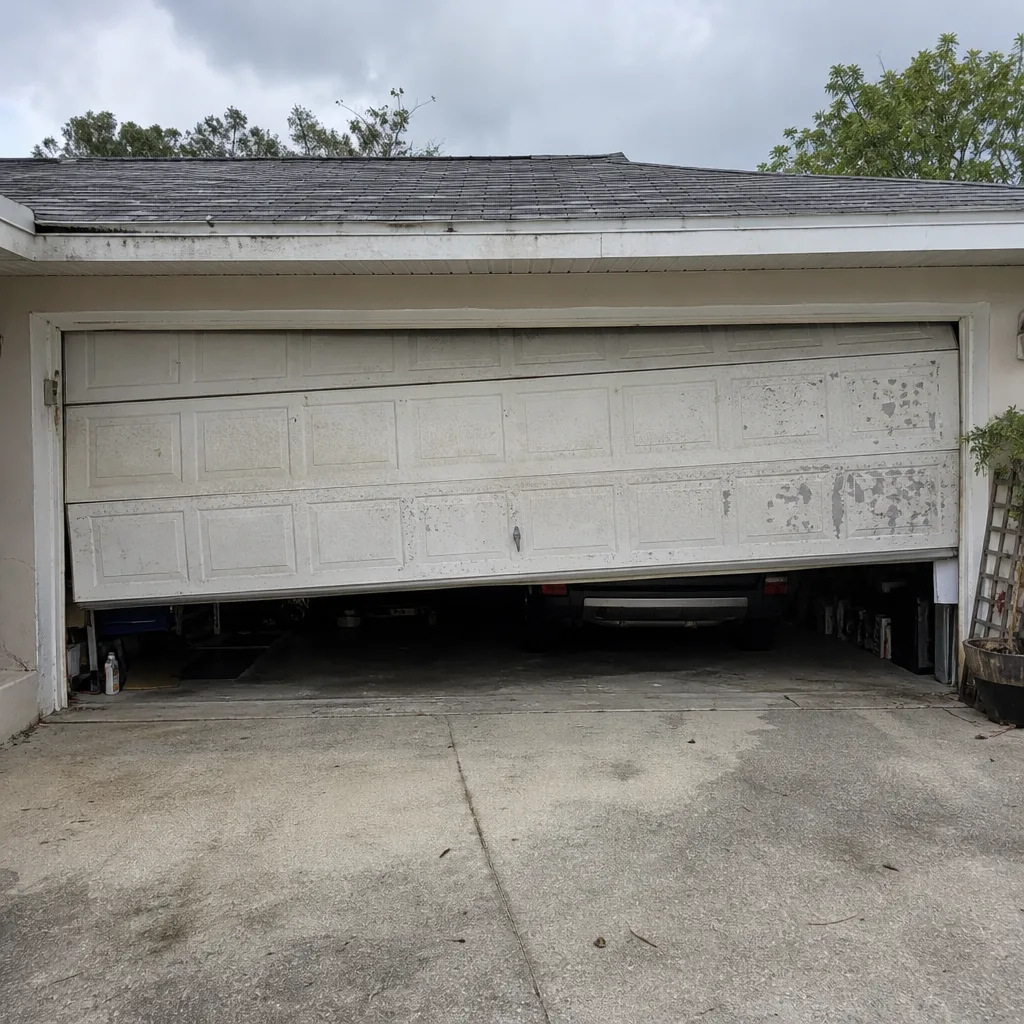 Before
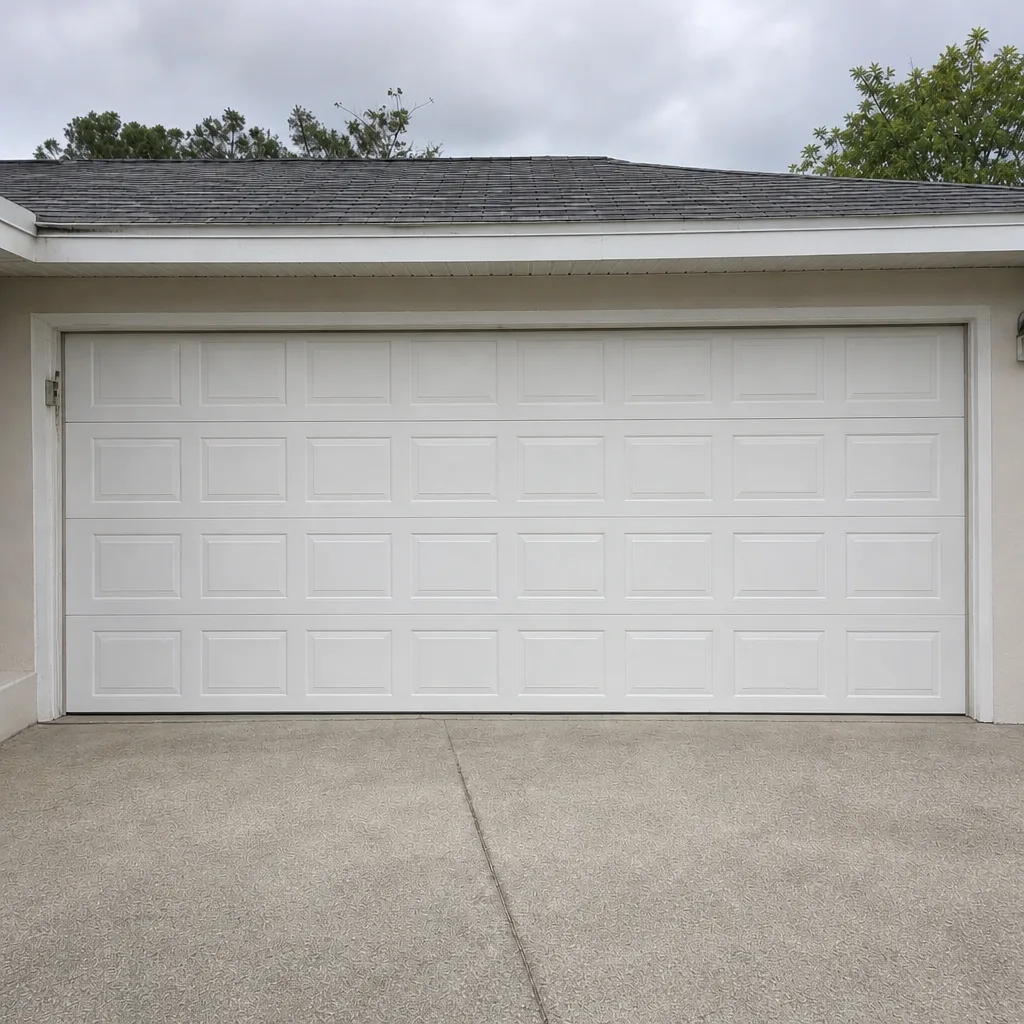 After
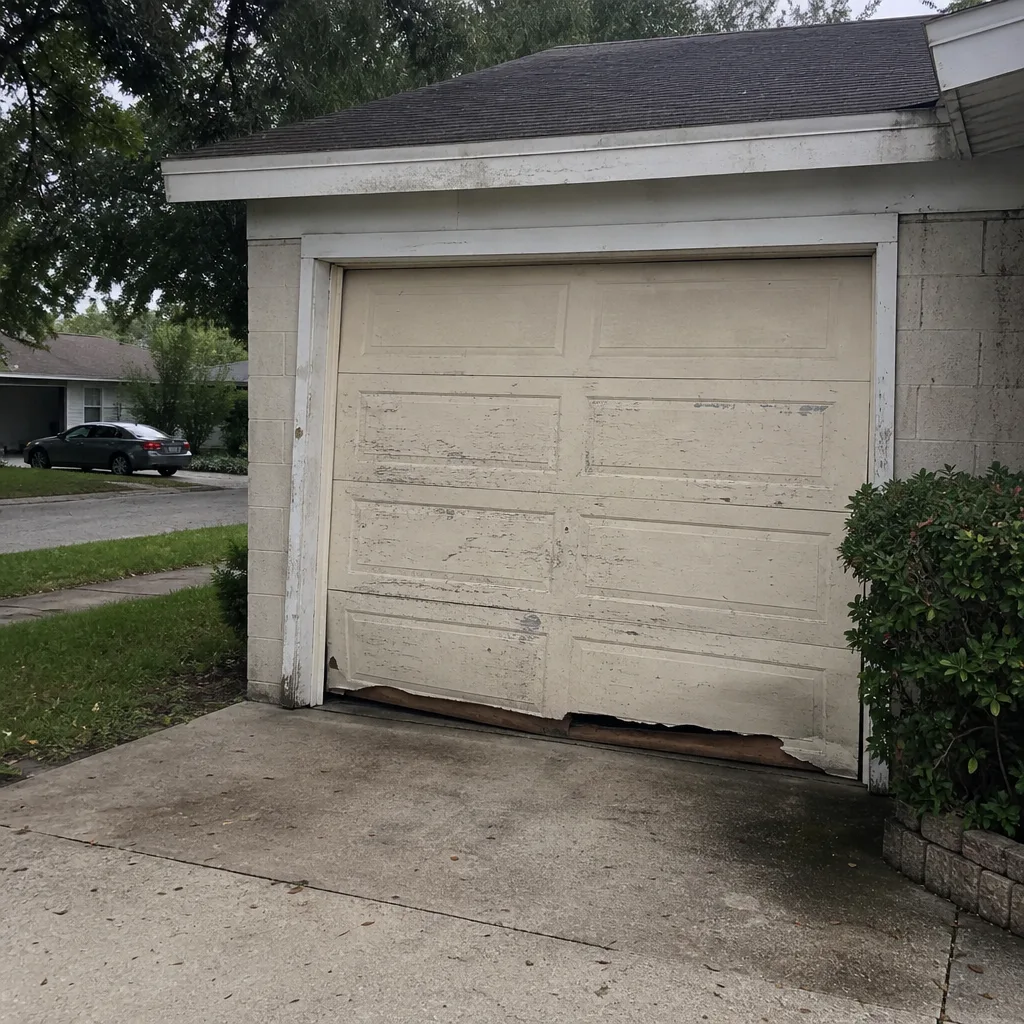 Before
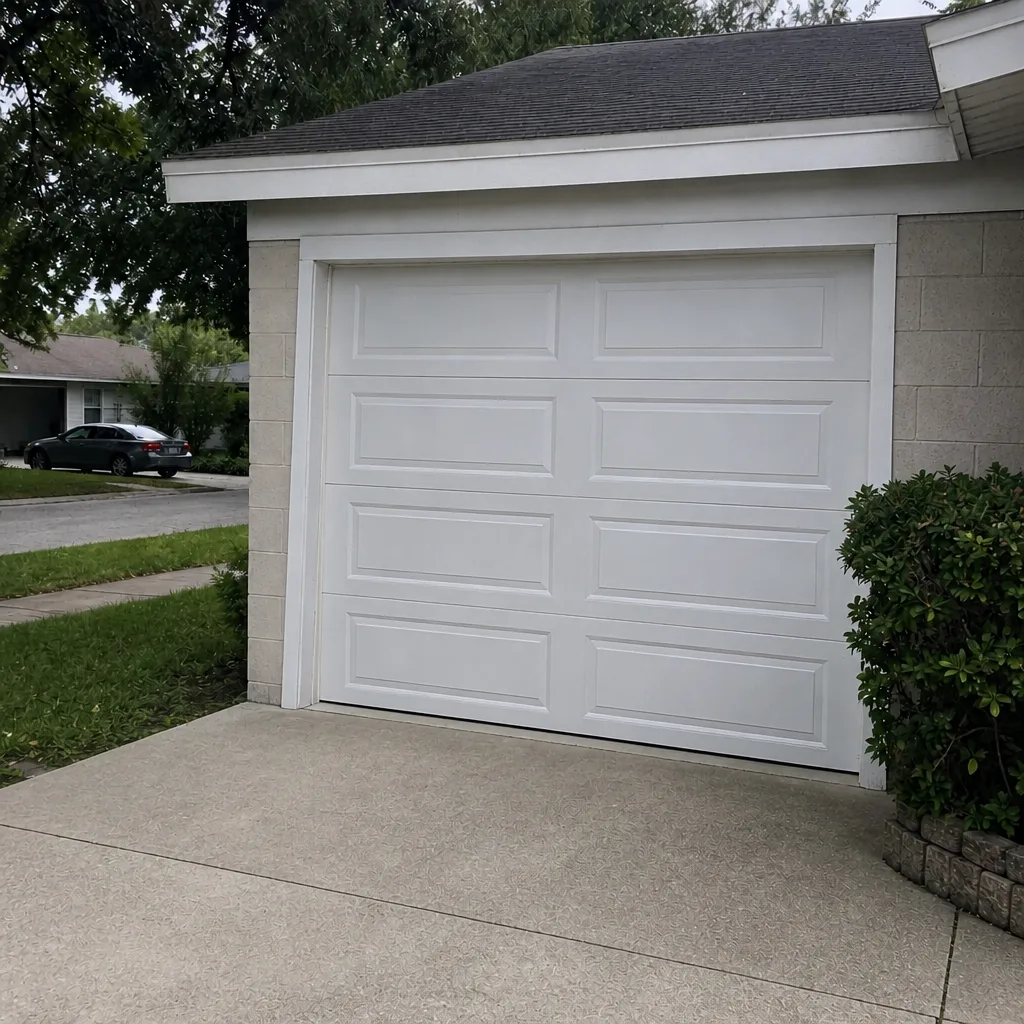 After
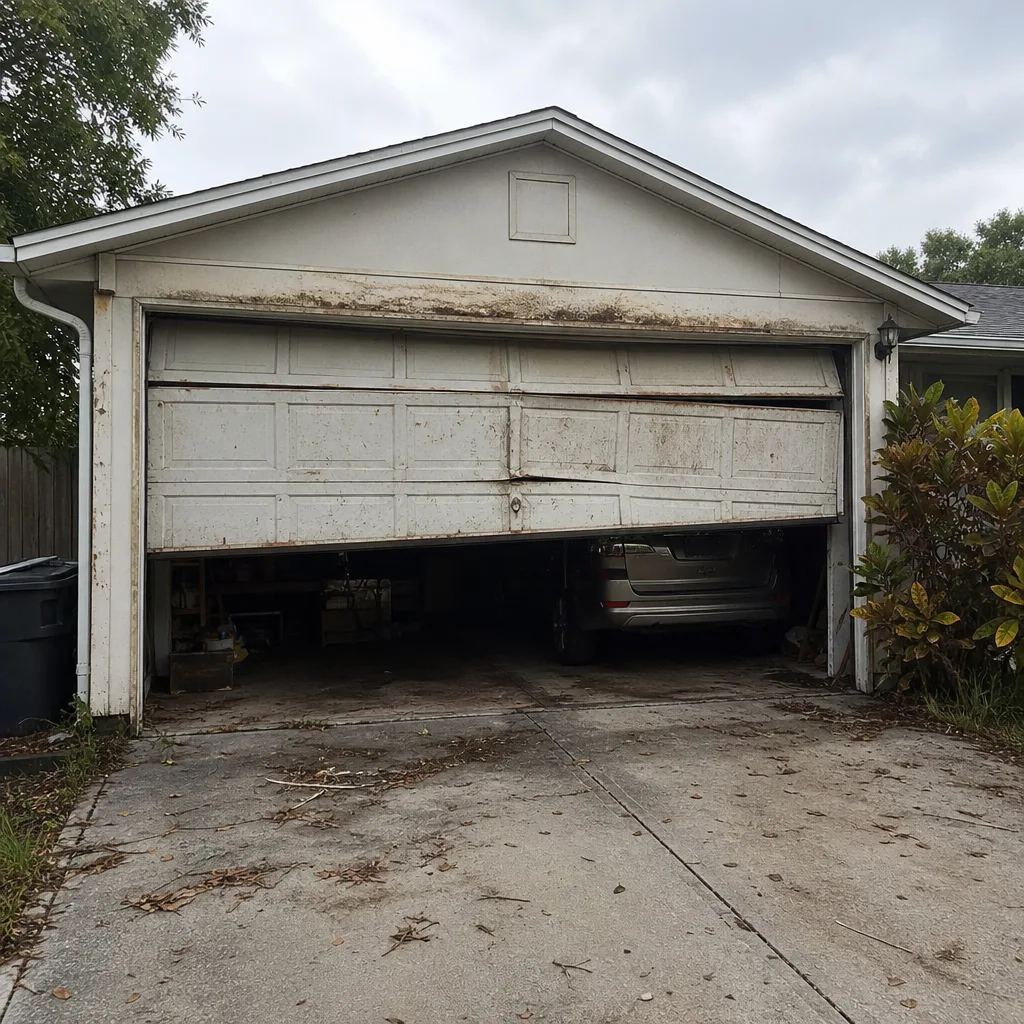 Before
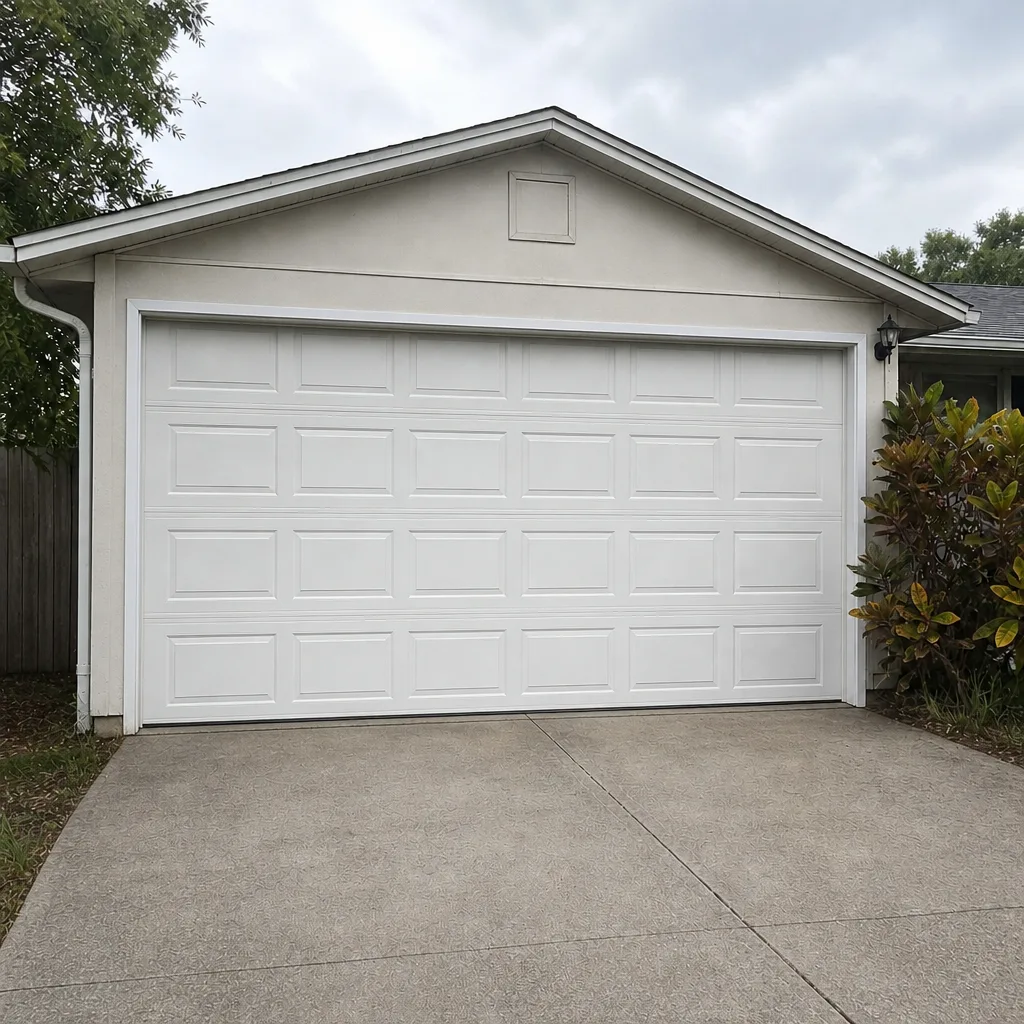 After